Functional Rhinoplasty in Melbourne
Functional rhinoplasty considers how the structure of the nose affects breathing. Nasal obstruction can involve the septum, the narrow nasal valves, the sidewalls of the nose, the turbinates or a combination of these structures.
Assessment considers the nasal airway and the external framework together. In some patients, treatment inside the nose may be sufficient. In others, the external structure also contributes to obstruction and may need to be considered as part of the surgical plan.
Dr Philip Michael is an ENT specialist with a particular focus on rhinology and facial plastic surgery. His approach is to identify the anatomical factors that may be contributing to obstruction and discuss which options may be appropriate for the individual patient.
What can contribute to nasal obstruction?
Nasal breathing depends on several connected structures. A problem in one area may occur alongside changes elsewhere.
Deviated nasal septum
The septum is the wall between the two nasal passages. If it is bent or displaced, it can narrow one or both sides of the nose. Where the external nasal framework is not significantly distorted, septoplasty alone may be an appropriate option. See septoplasty.
Narrowing or weakness of the nasal valves
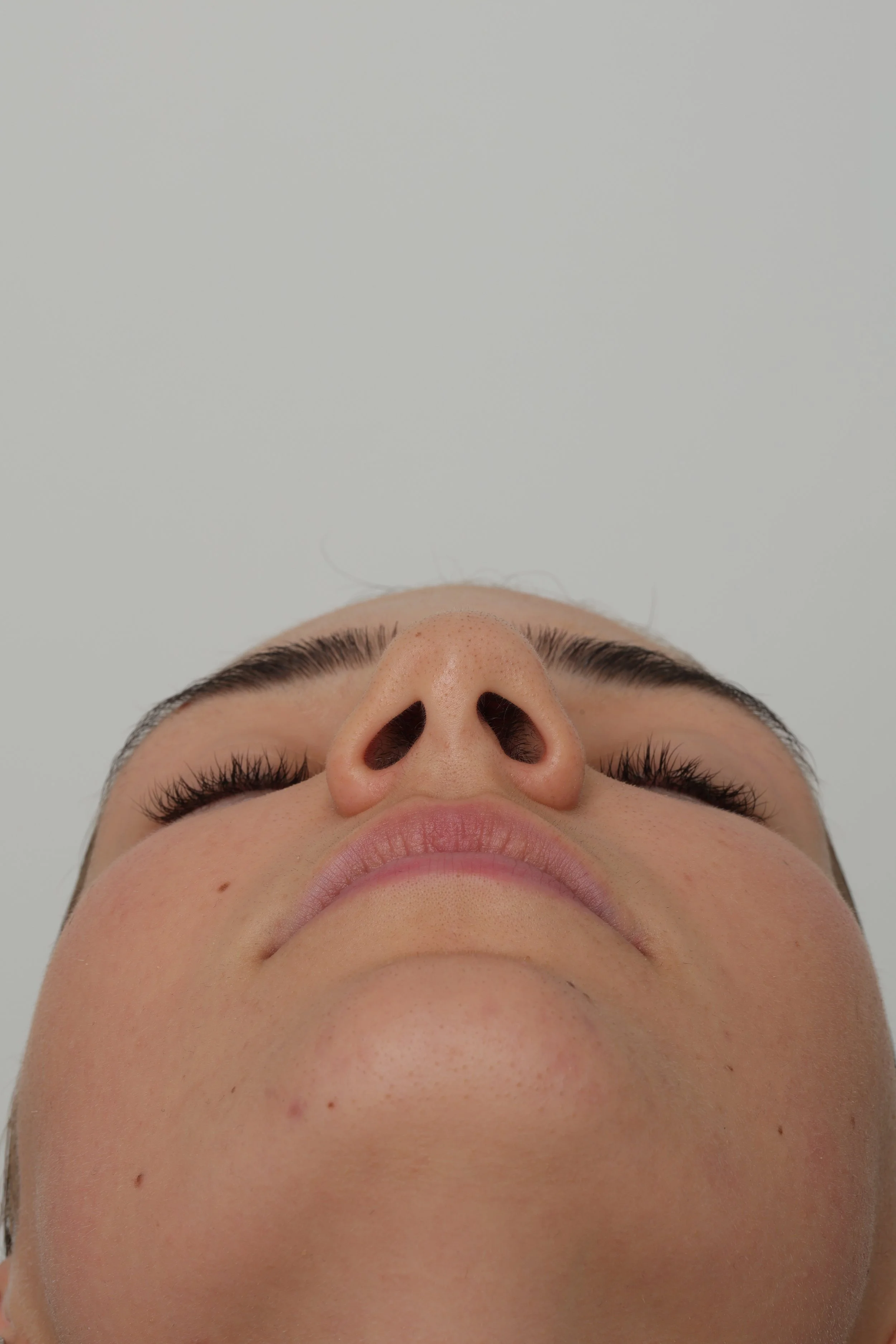
View of the nostrils at rest
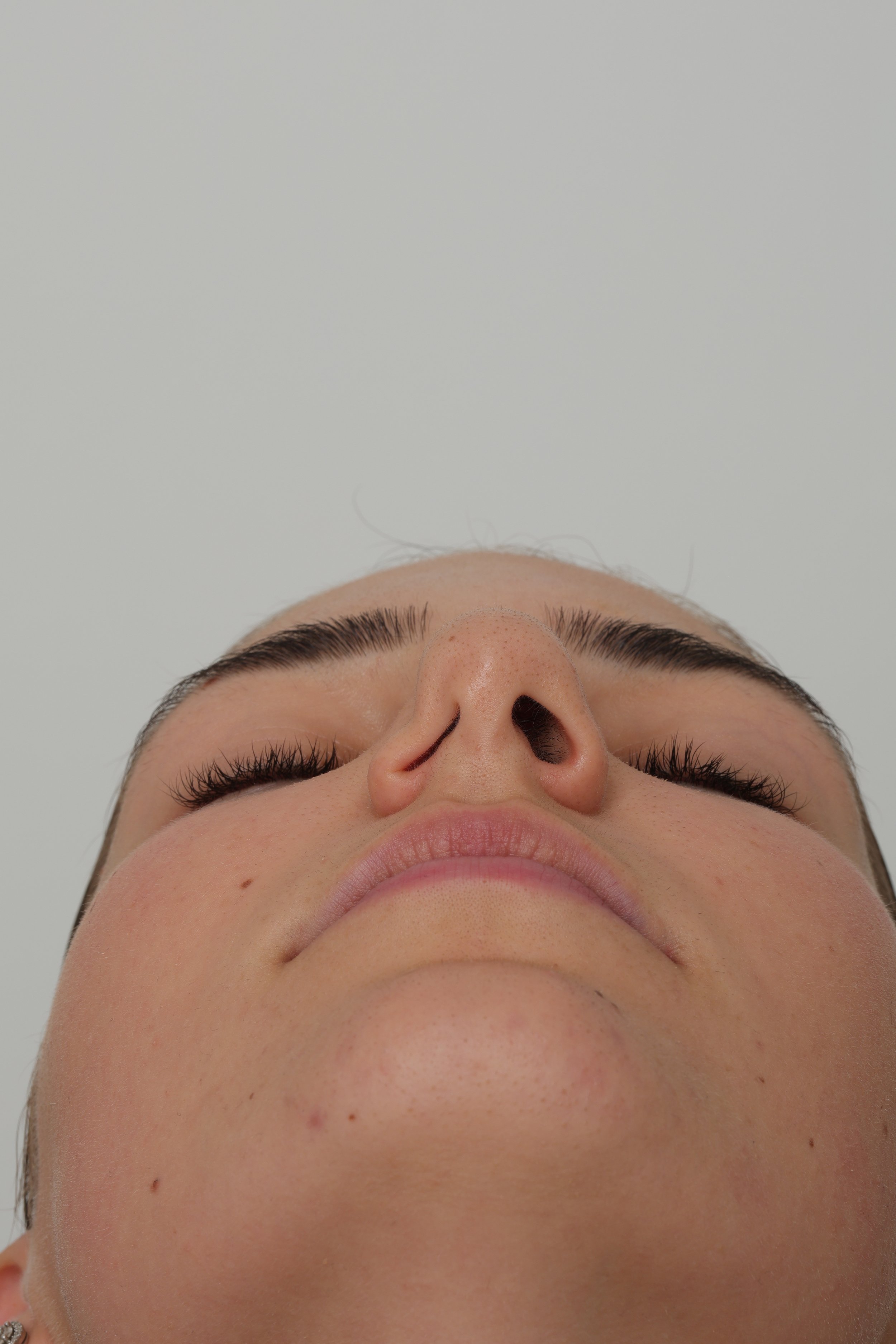
View of the nostrils on breathing in deeply showing collapse of the nostril side wall
The nasal valves are narrow parts of the airway inside the nose. Their shape and support influence airflow. In some people, the sidewall of the nose moves inward during inspiration or the valve area is narrow at rest. Treatment depends on the underlying anatomy and may involve supporting or repositioning parts of the nasal framework.
Enlarged turbinates
The turbinates are structures inside the nose that help warm, humidify and filter inhaled air. They can become enlarged and contribute to obstruction. Depending on the findings, treatment of the turbinates may be considered alongside other nasal surgery. See [turbinoplasty](/turbinoplasty).
External deviation or previous injury
A nose that is twisted or has been injured may have changes to both the internal airway and its external framework. In these cases, correcting the septum alone may not address all the structures contributing to obstruction.
How is functional rhinoplasty assessed?
Assessment begins with a discussion of your symptoms, medical history, previous treatment and any past injury or surgery. Examination considers both the outside of the nose and the internal nasal airway. Nasal endoscopy may be performed where appropriate.
The assessment may consider:
the position and shape of the septum
the width and support of the nasal valves
whether the nasal sidewalls move inward during breathing
the size of the turbinates
the alignment and support of the external nose
whether allergies, sinus disease or another condition may also be relevant
Imaging is not needed for every patient. It may be considered when there are particular concerns, such as previous trauma or associated sinus symptoms.
What are the treatment options?
The appropriate treatment depends on what is found during assessment. Medication or other non-surgical treatment may be considered when inflammation, allergy or another treatable cause is contributing to symptoms.
If surgery is being considered, the proposed operation depends on which structures are involved:
Septoplasty repositions or reshapes parts of the septum to address obstruction within the nose.
Turbinoplasty reduces enlarged turbinates while aiming to preserve their function.
Functional septorhinoplasty may be considered when obstruction is associated with distortion or weakness of the external nasal framework as well as the septum.
Nasal valve support may be considered when narrowing or inward movement of the sidewall contributes to obstruction.
These procedures are not interchangeable, and not everyone with nasal obstruction needs functional rhinoplasty. The likely benefits, limitations, risks and alternatives should be discussed for the individual case.
Functional and cosmetic concerns together
Some patients also have concerns about the appearance of their nose. Functional and cosmetic considerations may be discussed together because changes to the external framework can affect the airway, and changes intended to improve breathing can affect the external shape.
The aim of planning is to consider breathing, structural support and the patient’s stated concerns together. The changes that may be appropriate vary according to the person’s anatomy and objectives. See the main [rhinoplasty page](/rhinoplasty) for further information about cosmetic, structural and preservation approaches.
Functional rhinoplasty cases
These cases illustrate different anatomical findings and surgical considerations. They are examples of individual treatment and are not a prediction of the result another patient may experience.
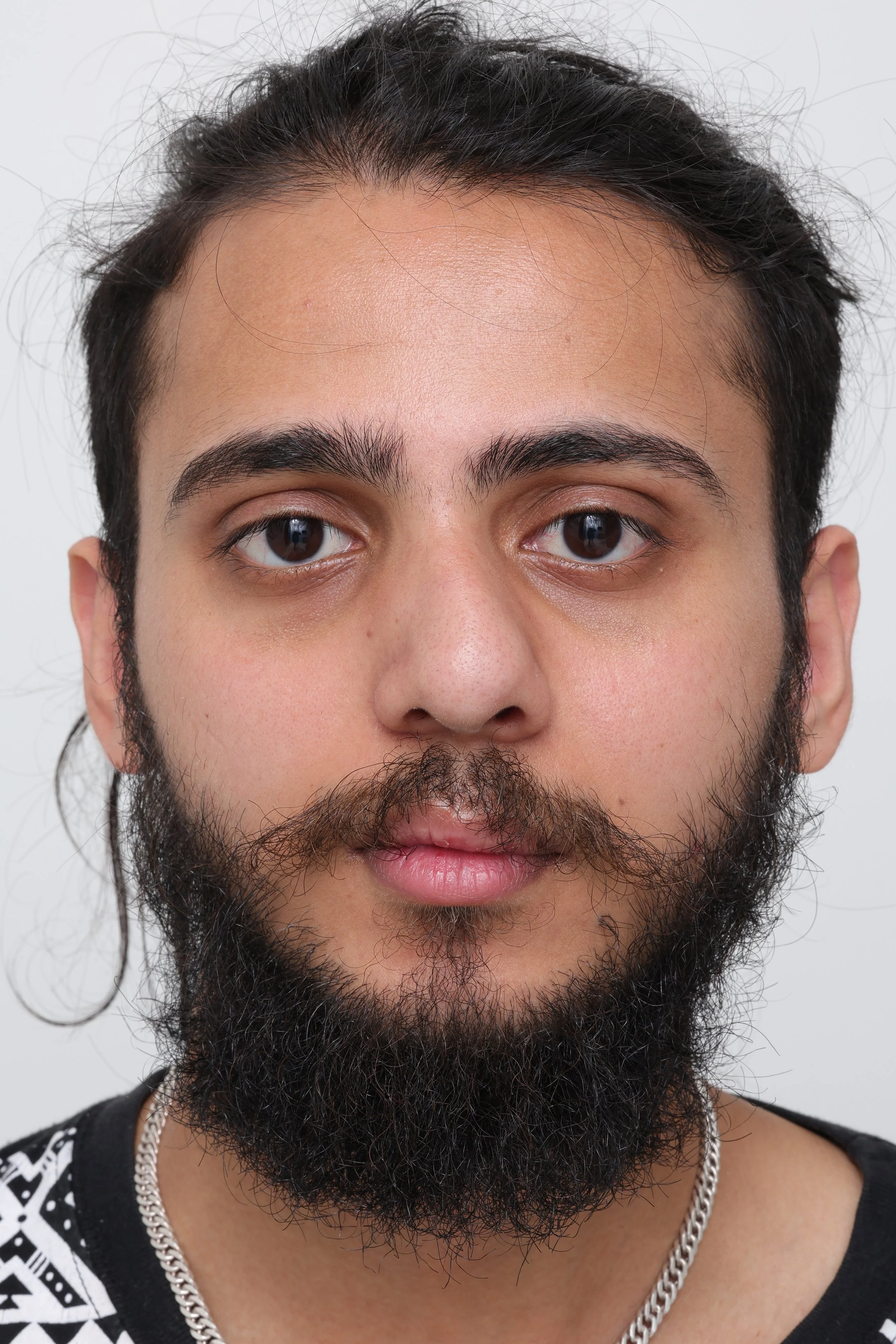
Before surgery
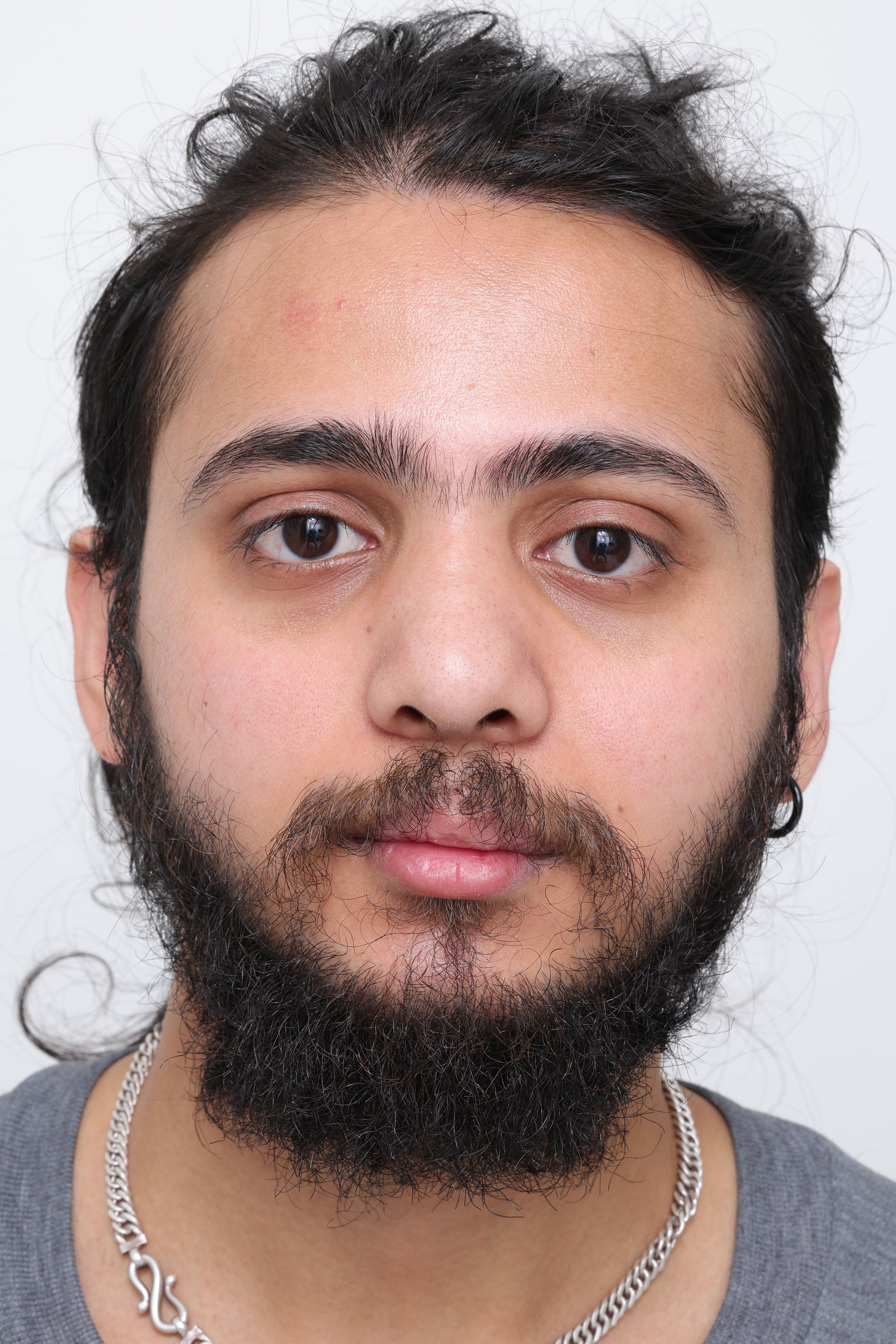
6 months after surgery
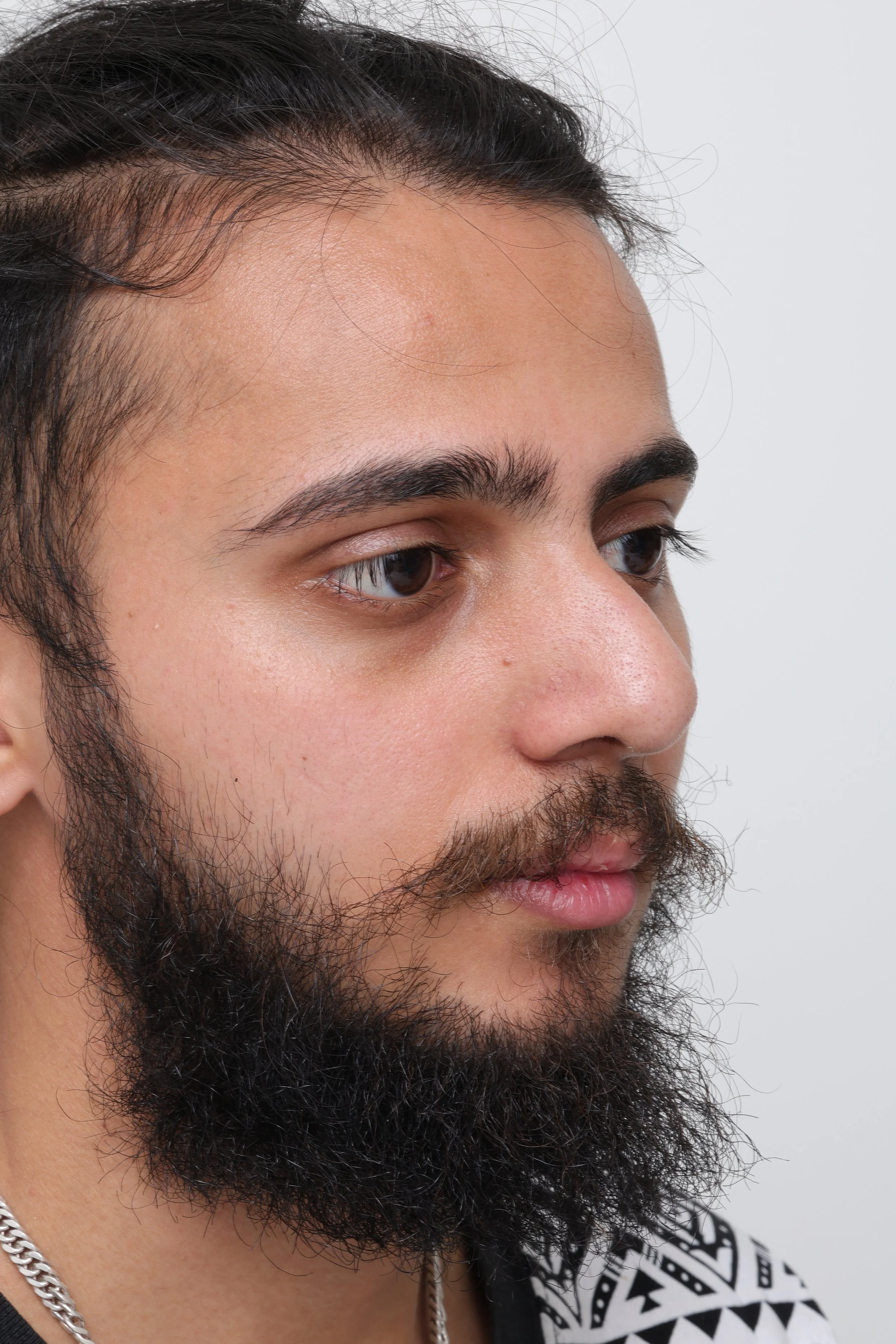
Before surgery
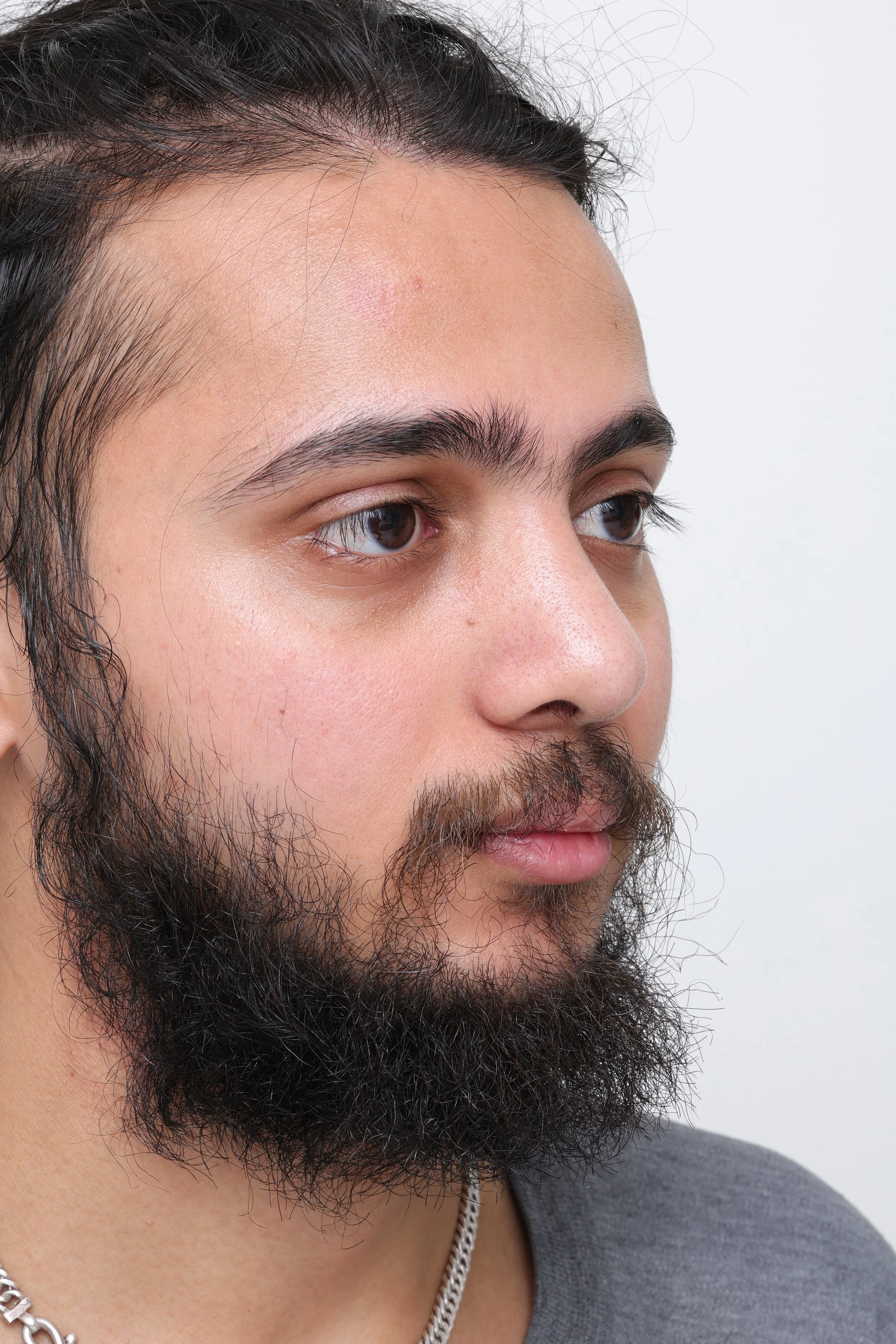
6 months after surgery
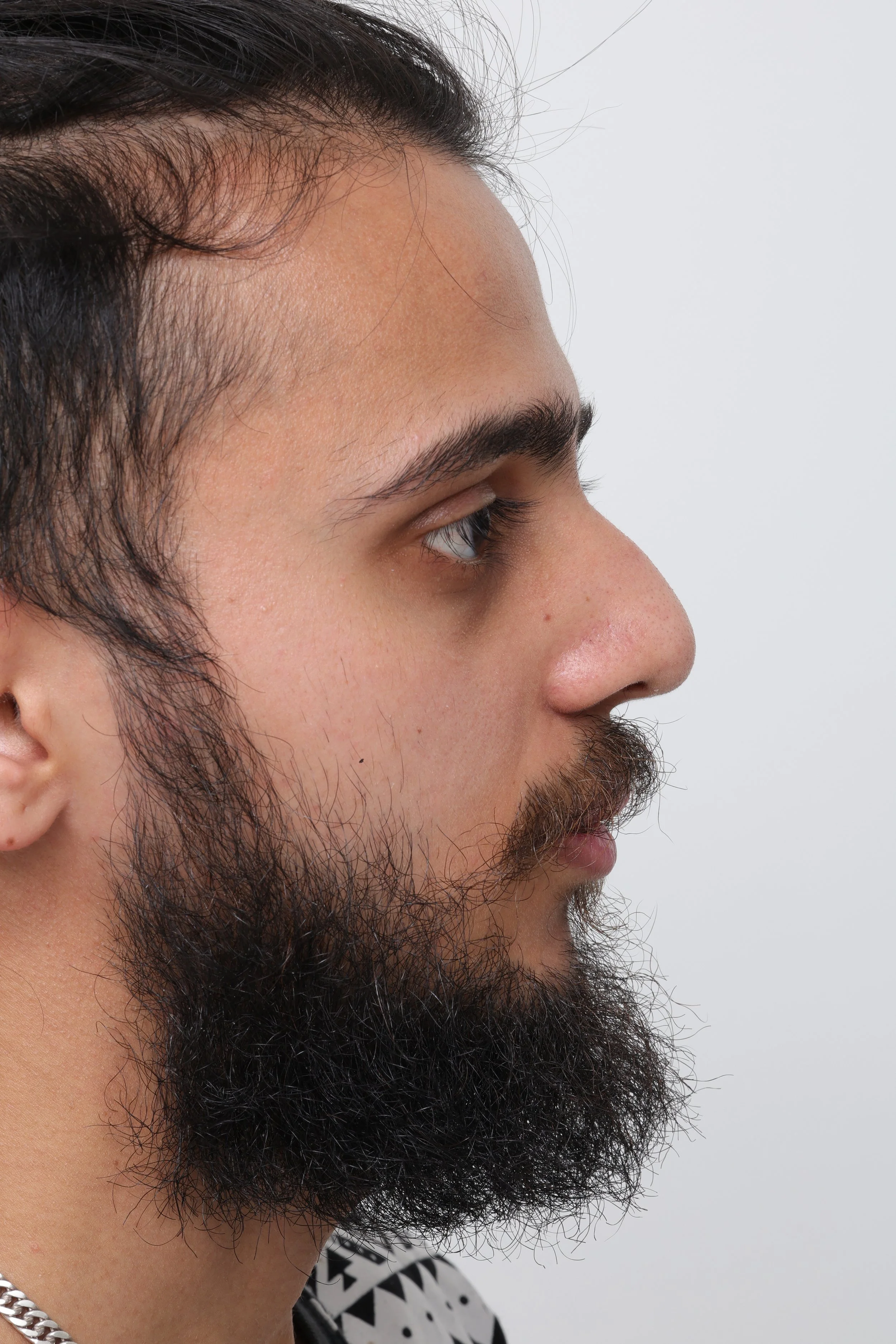
Before surgery
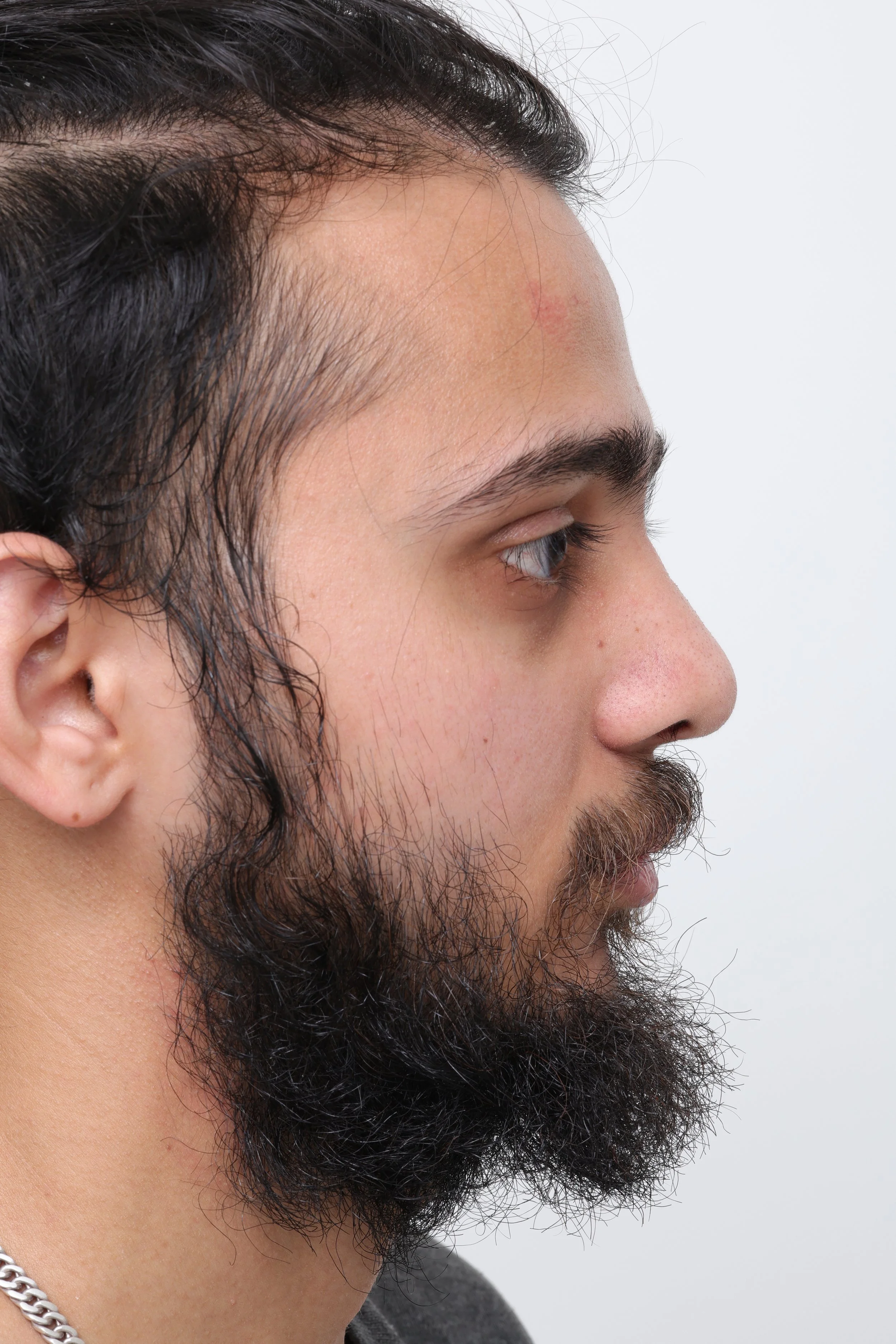
6 months after surgery
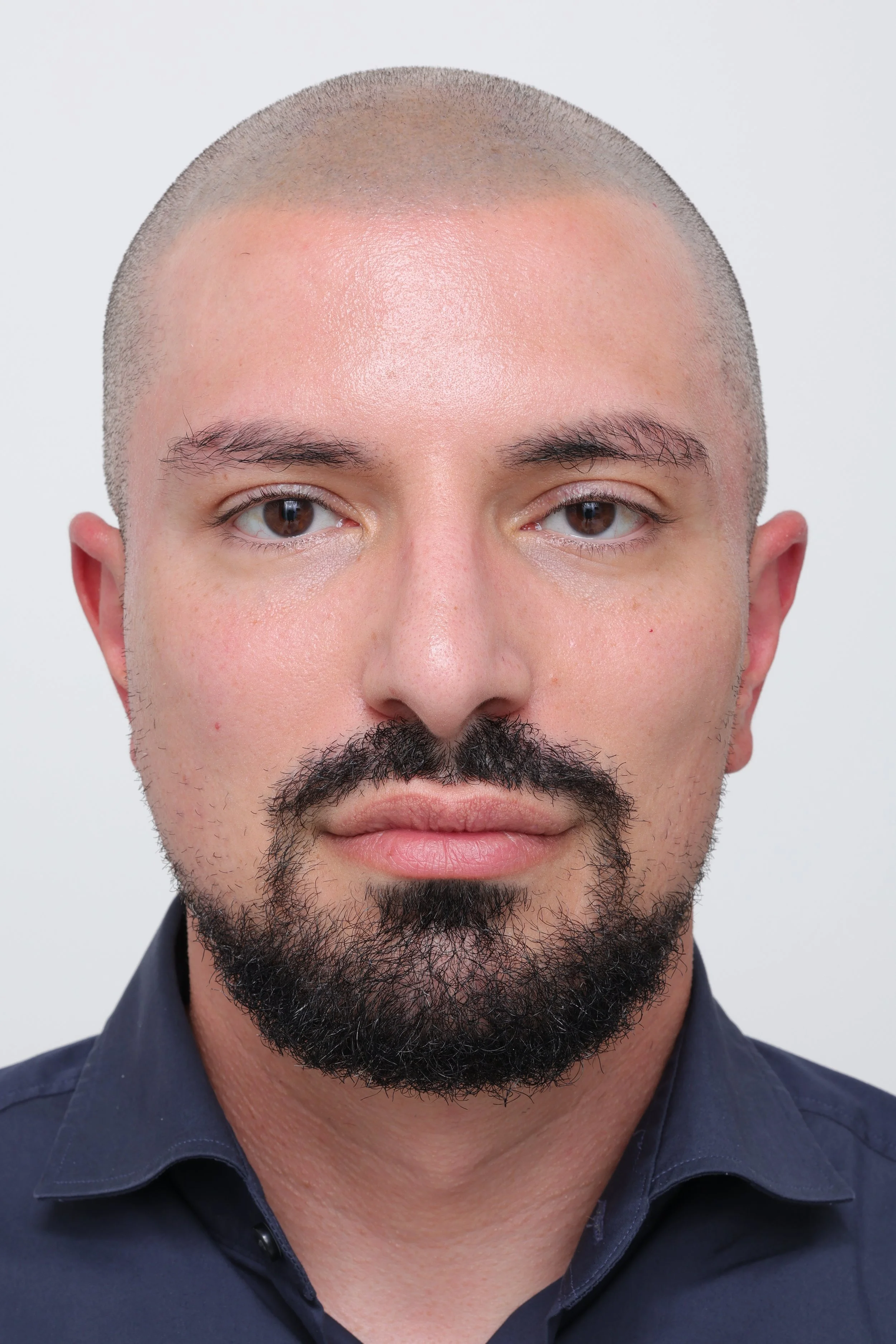
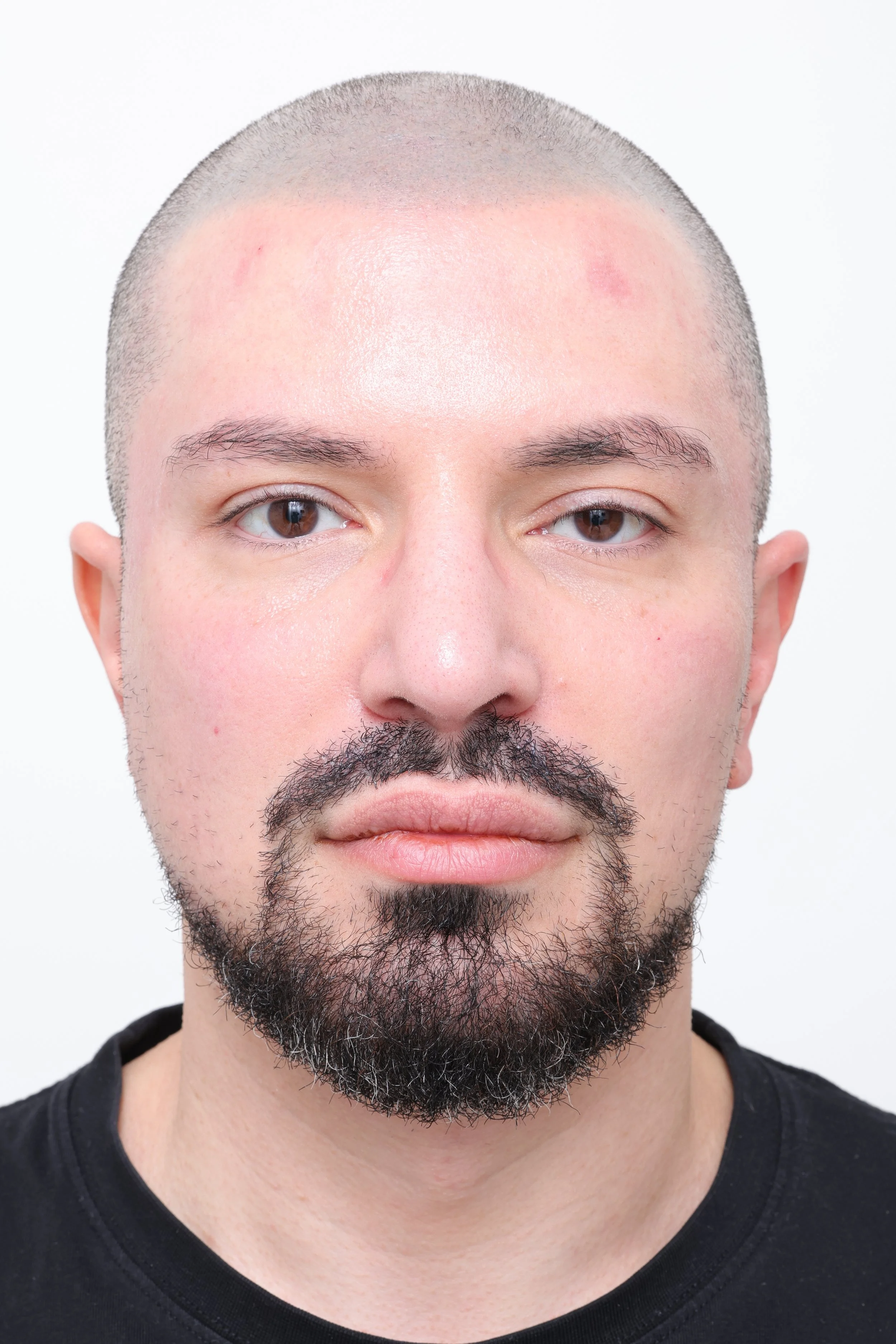
Case 1 — Nasal obstruction with a twist involving the nasal bones and marked septal deviation
This patient had nasal obstruction, mainly on the left, following an injury to his nose during adolescence. He was also concerned about the external twist of his nose.
Examination showed a marked twist involving the upper part of the nose, with the lower septum displaced to the left and further deviation deeper inside the nose. The turbinates were enlarged. His nasal tip had reduced support, with a slight prominence of the bridge.
Surgery addressed the septal deviation and enlarged turbinates. The nasal bones were reshaped to improve the external twist, and cartilage from the septum was used to support the middle part of the nose and the tip.
The operation considered the internal airway and external nasal framework together, with the aim of addressing the anatomical factors contributing to obstruction while maintaining support.
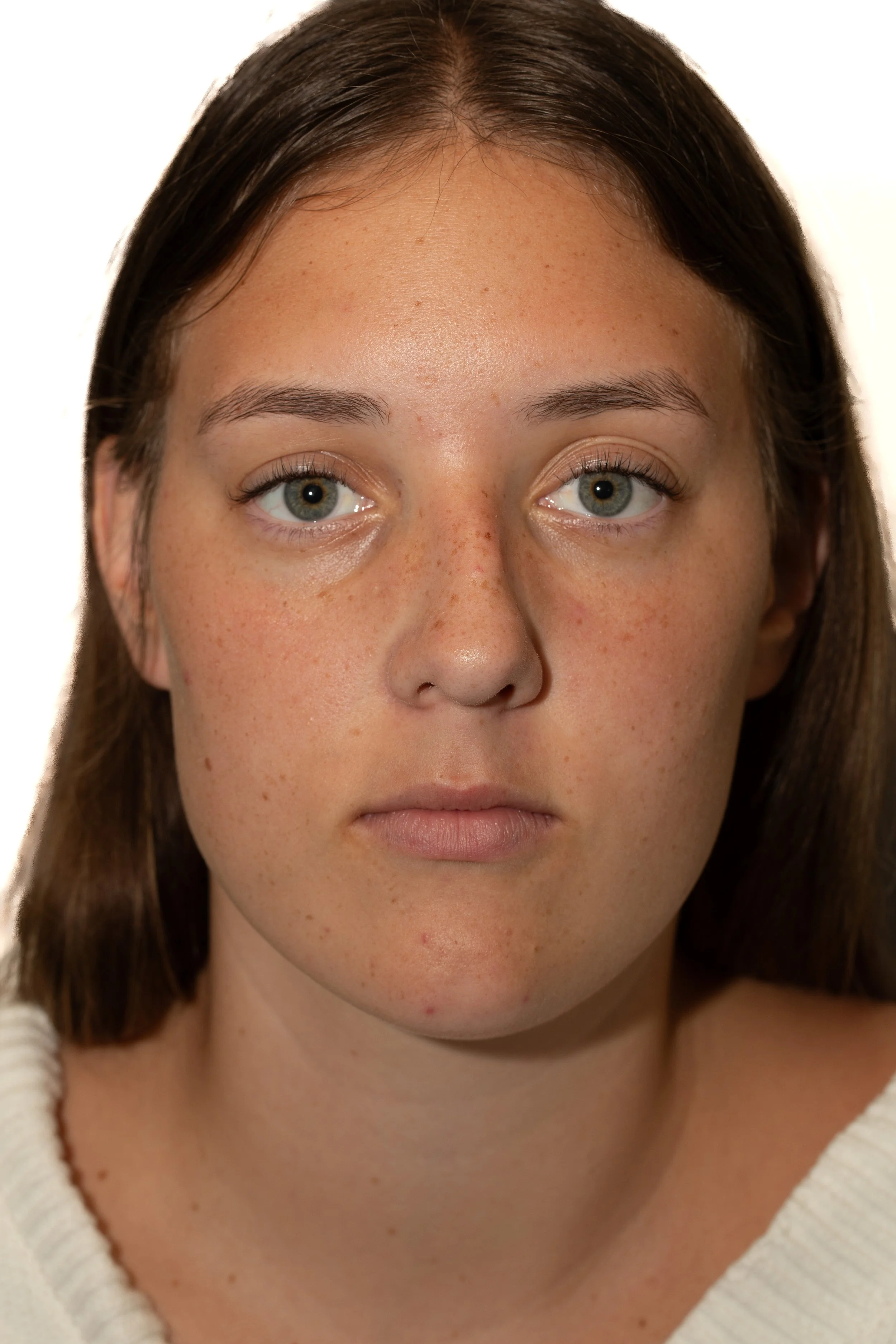
Before surgery
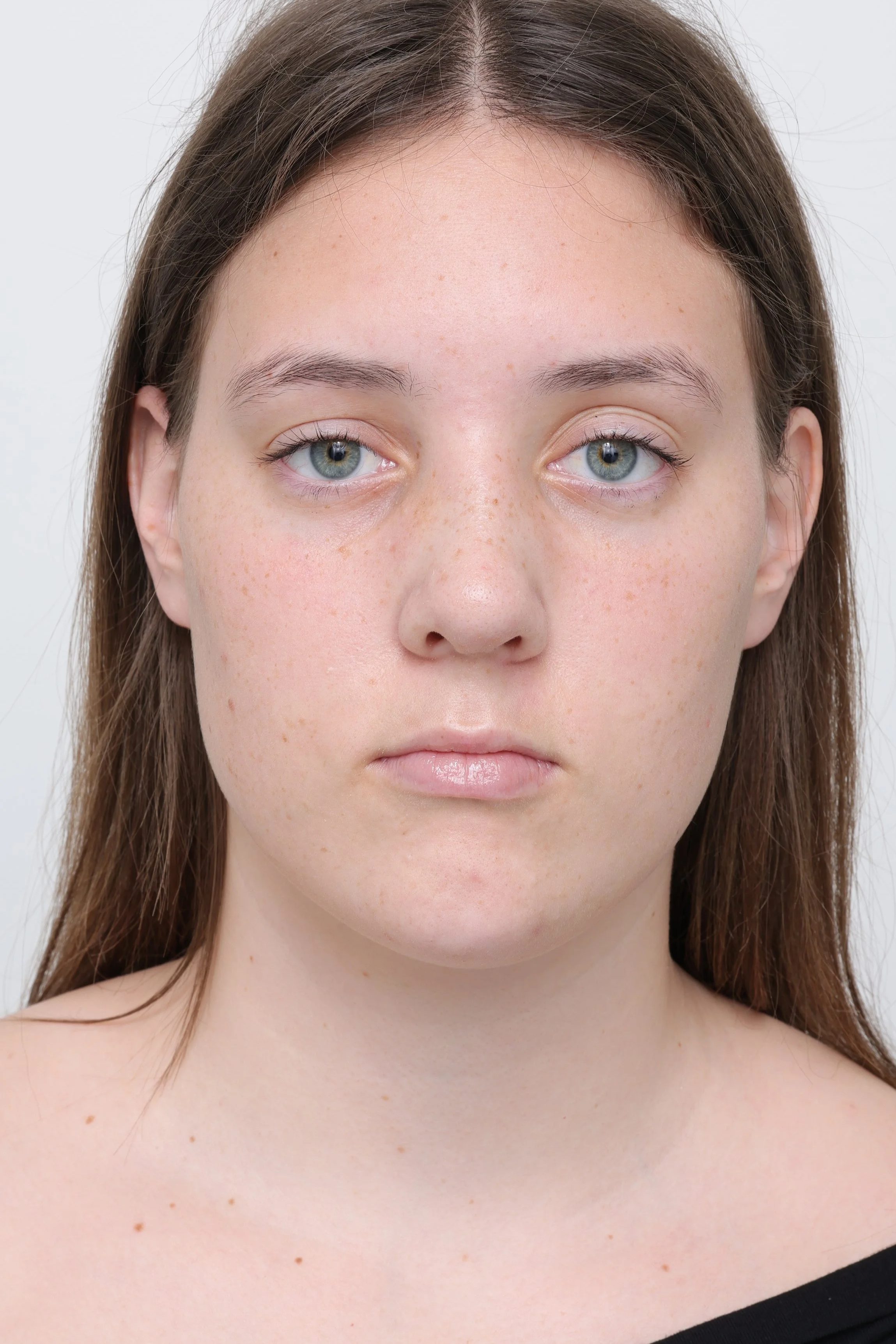
6 weeks after surgery
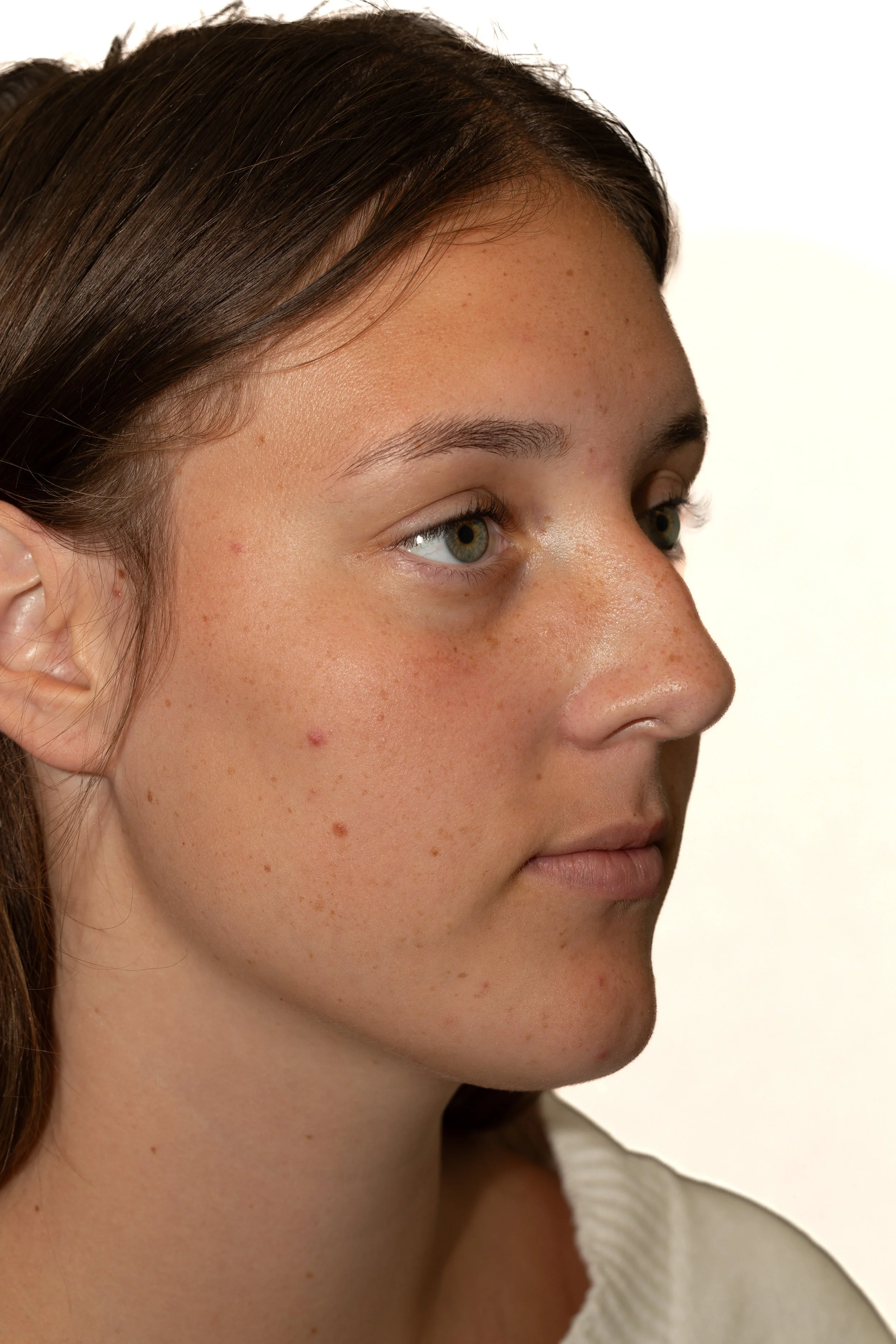
Before surgery
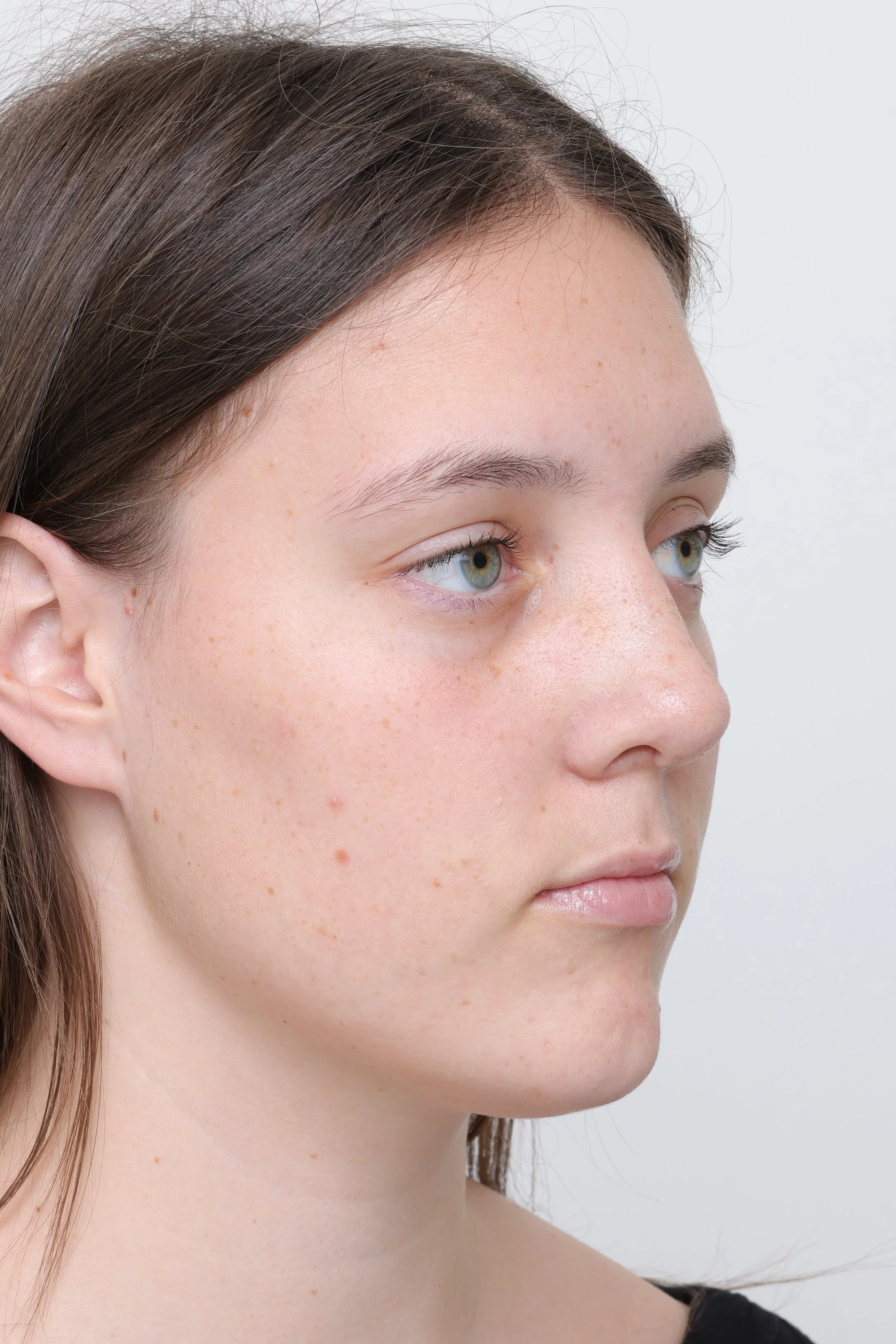
6 weeks after surgery
Before surgery
6 weeks after surgery
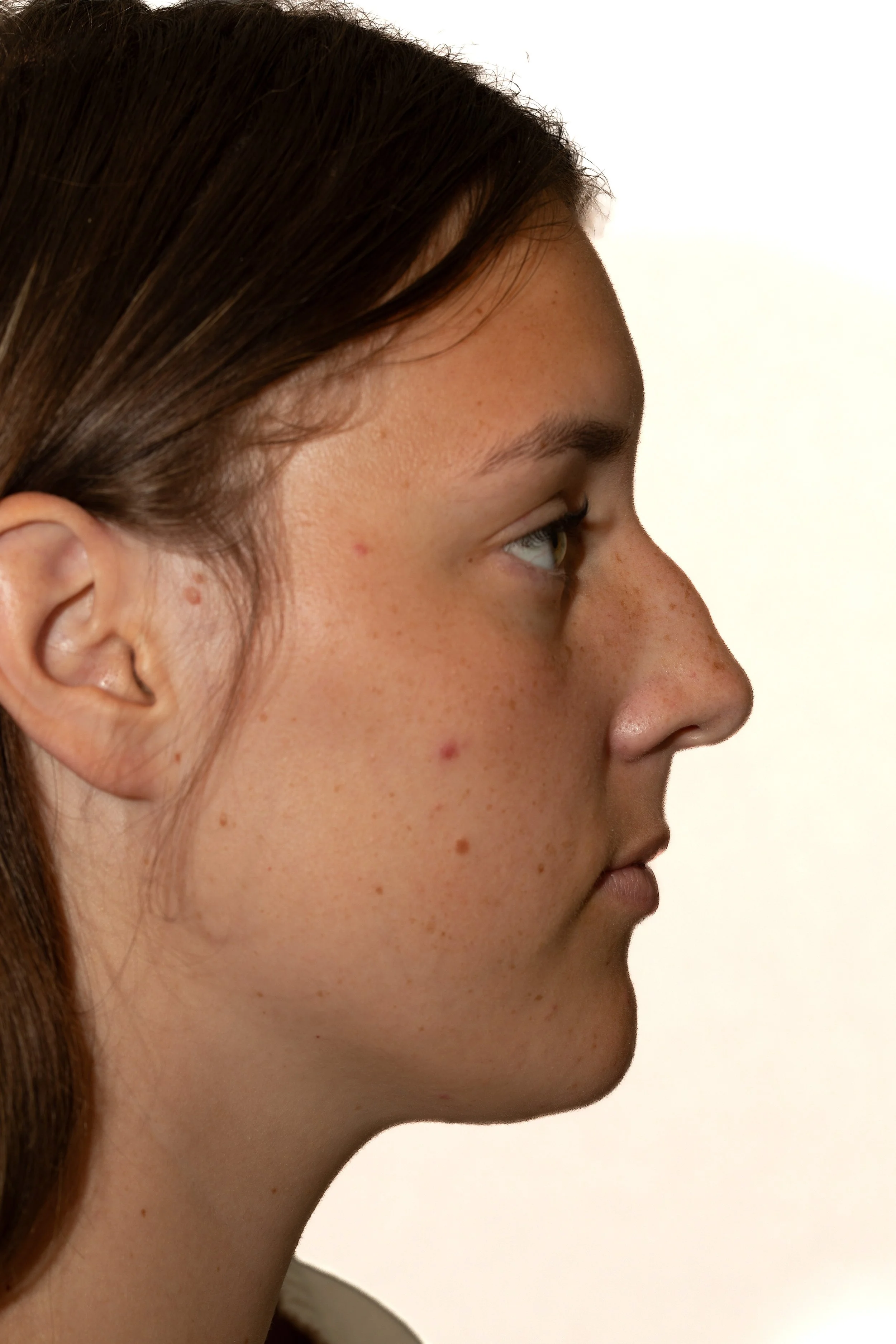
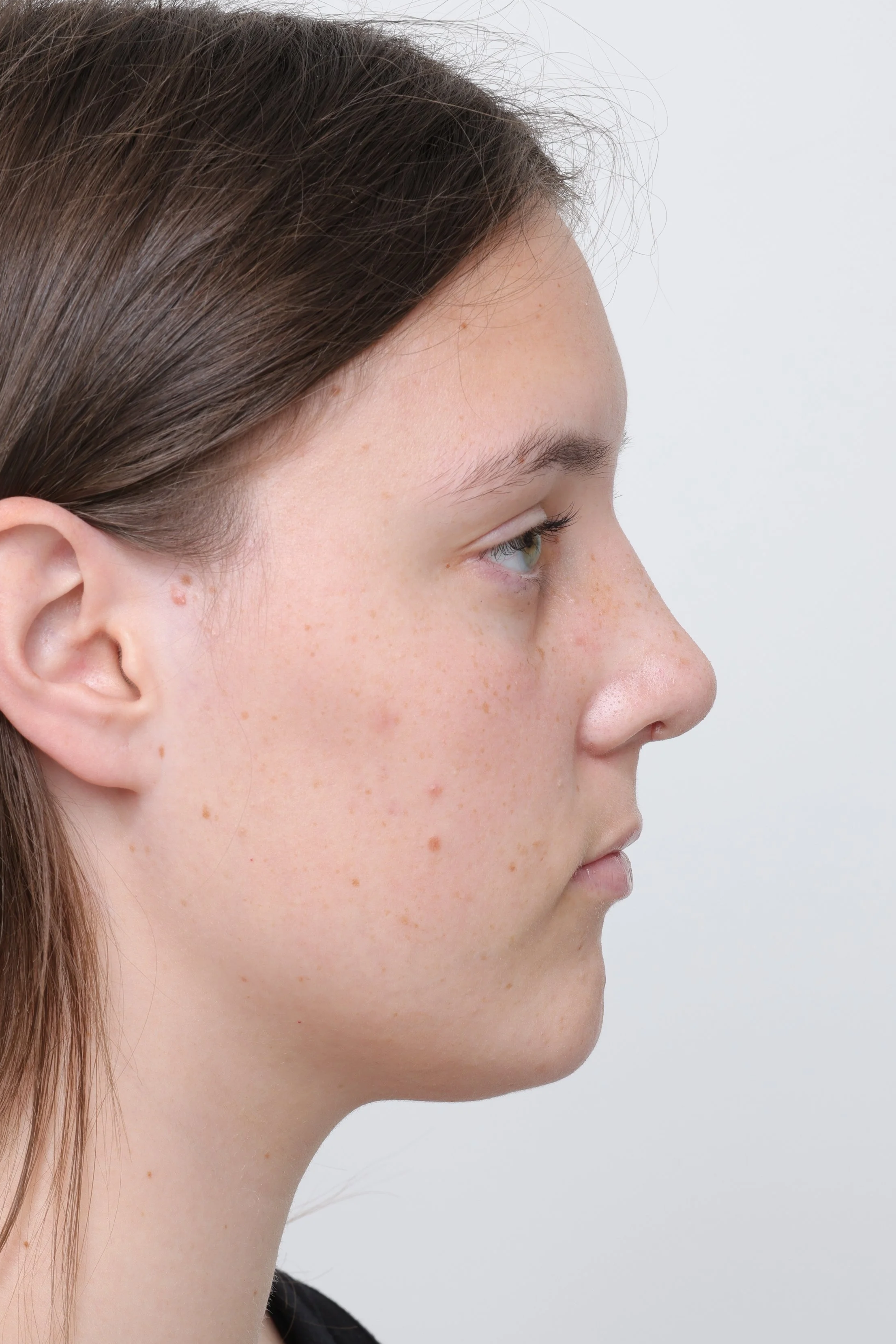
Case 2 — Nasal obstruction with a twisted nose involving the nasal bones and previous injury
This patient had long-standing nasal obstruction, mainly on the left, and a history of several nasal injuries. She also had a mild prominence of the bridge and a slightly upturned tip.
Examination showed that the external nose was deviated to the left, while the septum was markedly bent inside the nose. There was evidence of an old fracture of the right nasal bone. Enlarged adenoid tissue was also significantly narrowing the airway behind the nose.
Surgery addressed the septal deviation, nasal framework and obstructing adenoid tissue. The nasal bones were reshaped and repositioned, and cartilage grafts were used to support the middle part of the nose and stabilise the septum. A turbinate reduction was also performed.
The operation considered the internal airway and external alignment together, including the effects of previous injury.
Before surgery
4 months after surgery
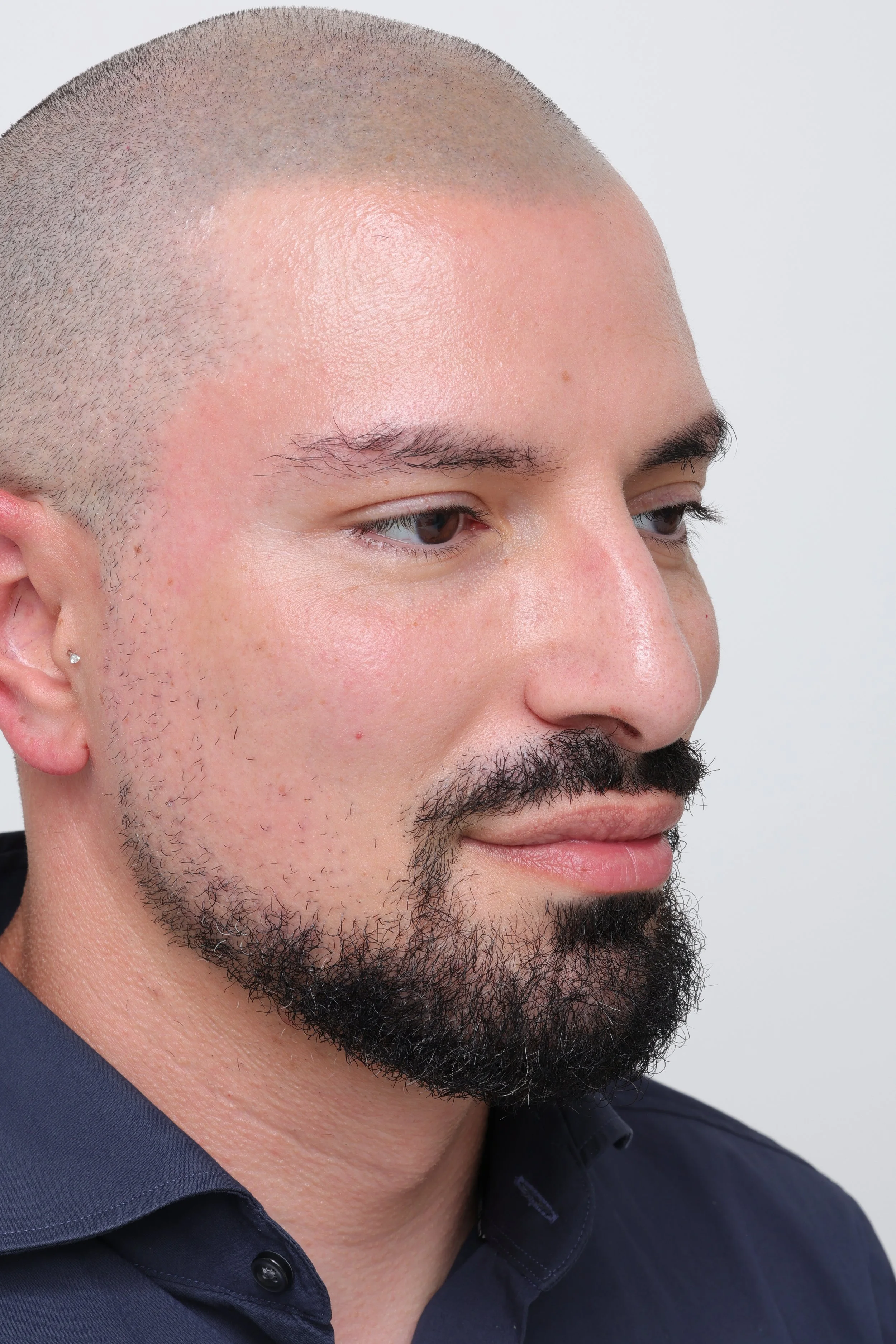
Before surgery
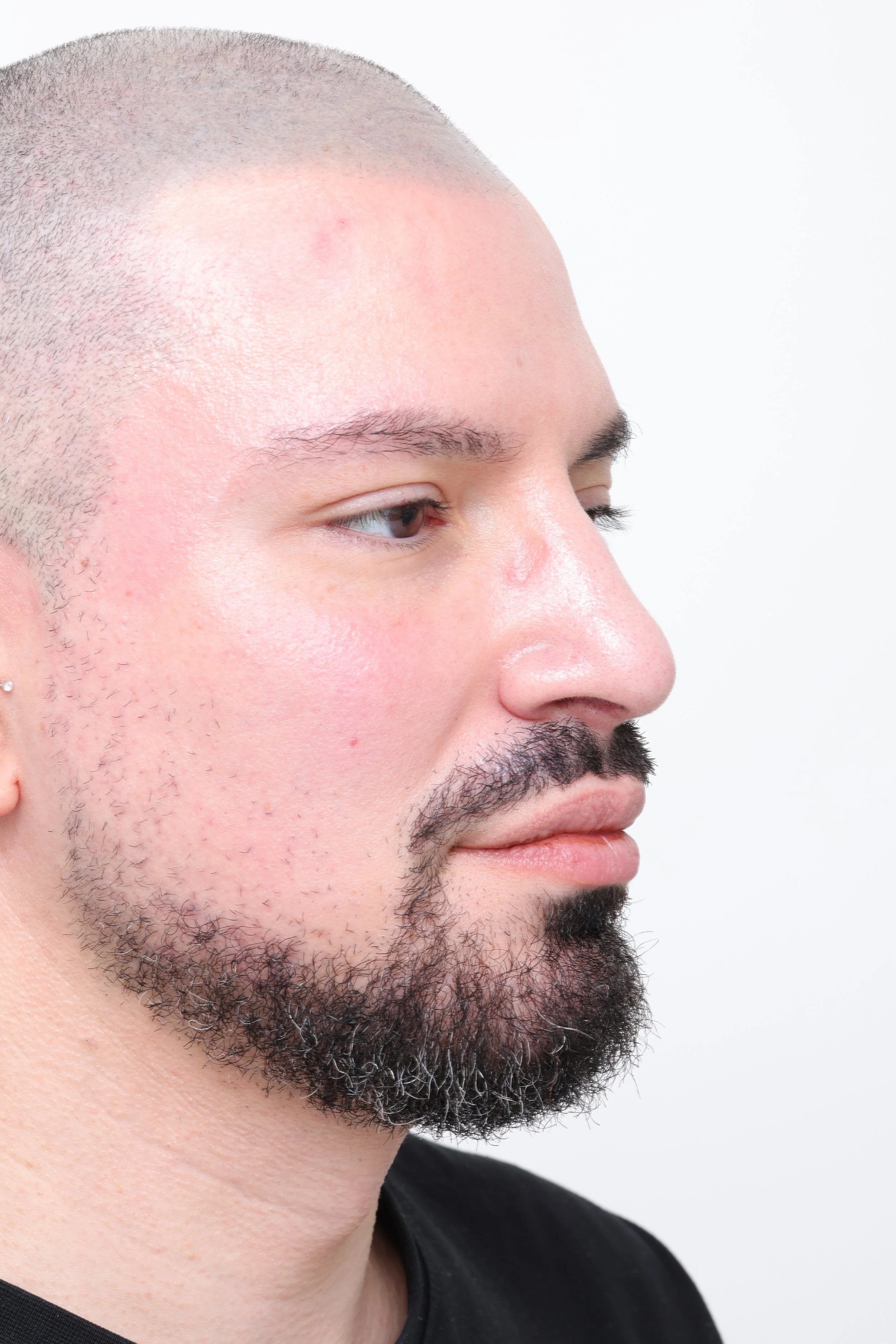
4 months after surgery
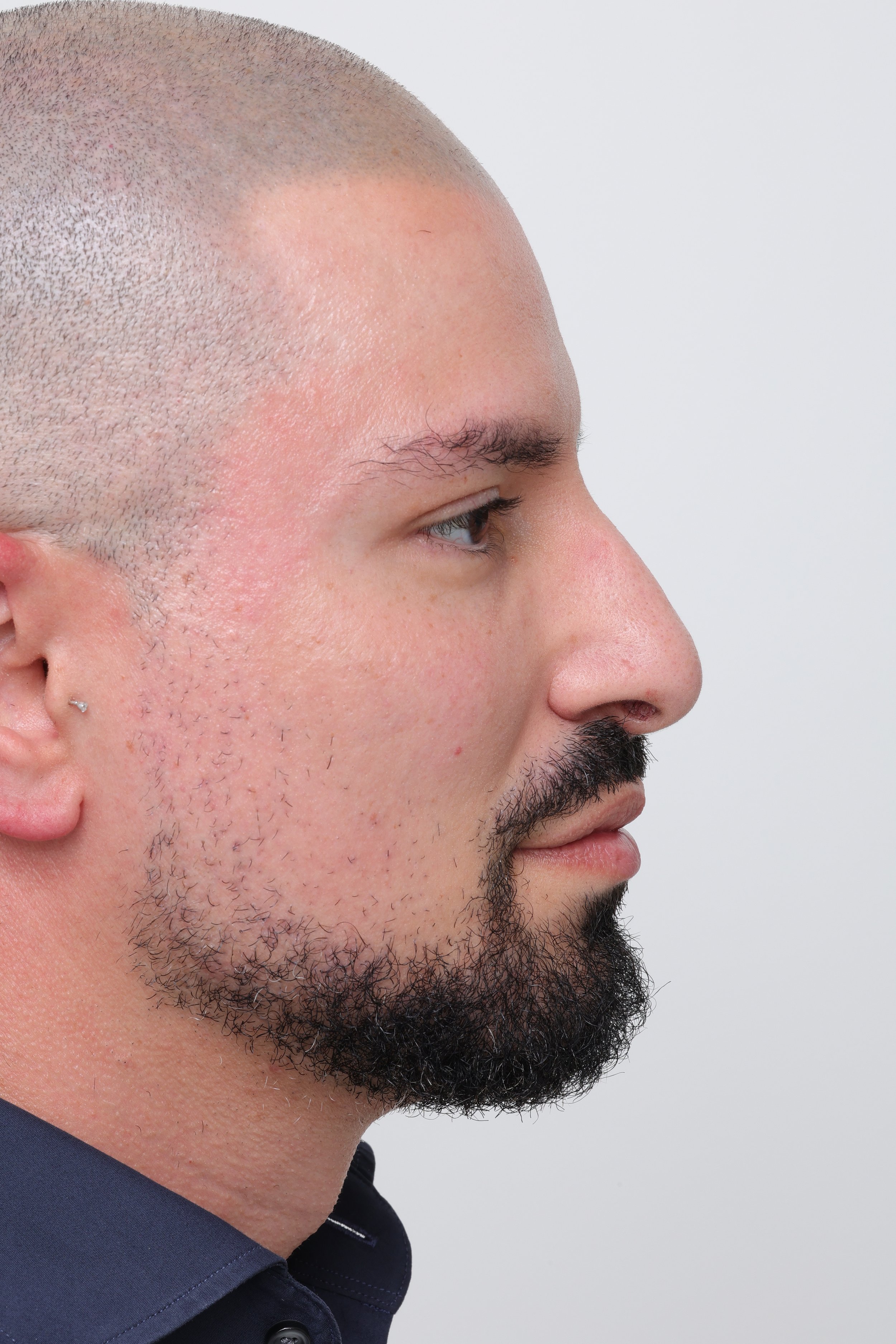
Before surgery
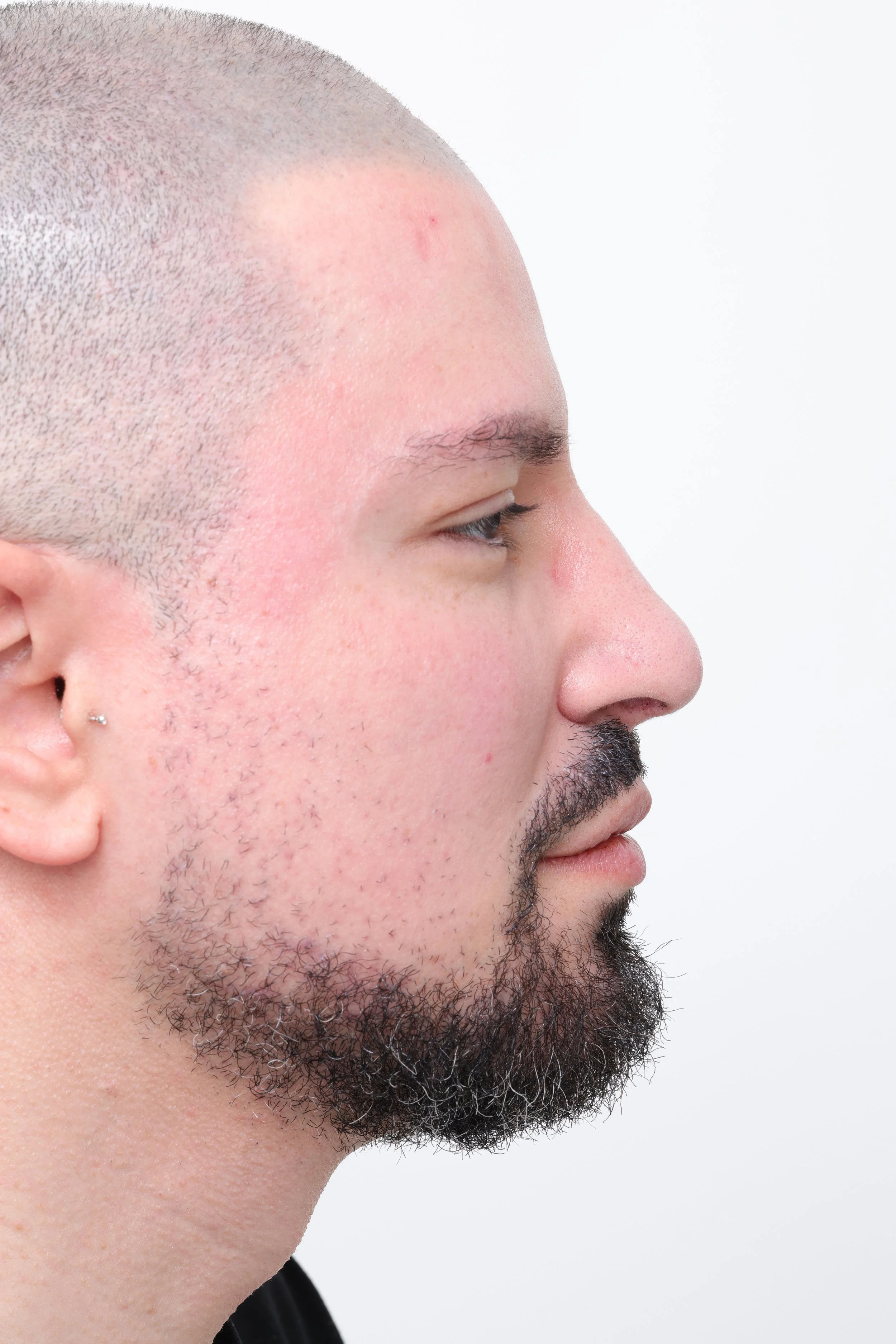
4 months after surgery
Case 3 — Drooping nasal tip and nasal obstruction
This patient had persistent nasal obstruction that could affect either side. He had noticed that lifting the tip of his nose improved his airflow. He was also concerned about a drooping, slightly twisted tip and a prominent bridge.
Examination showed an under-rotated, drooping tip, enlarged turbinates and a mild septal deviation. There was no evidence of nasal polyps or sinus infection.
Surgery included reduction of the enlarged turbinates and reshaping of the nasal bridge. Cartilage grafts were used to support and reposition the tip.
This case illustrates why tip position and support may be considered when assessing nasal breathing. The effect of surgery varies between patients.
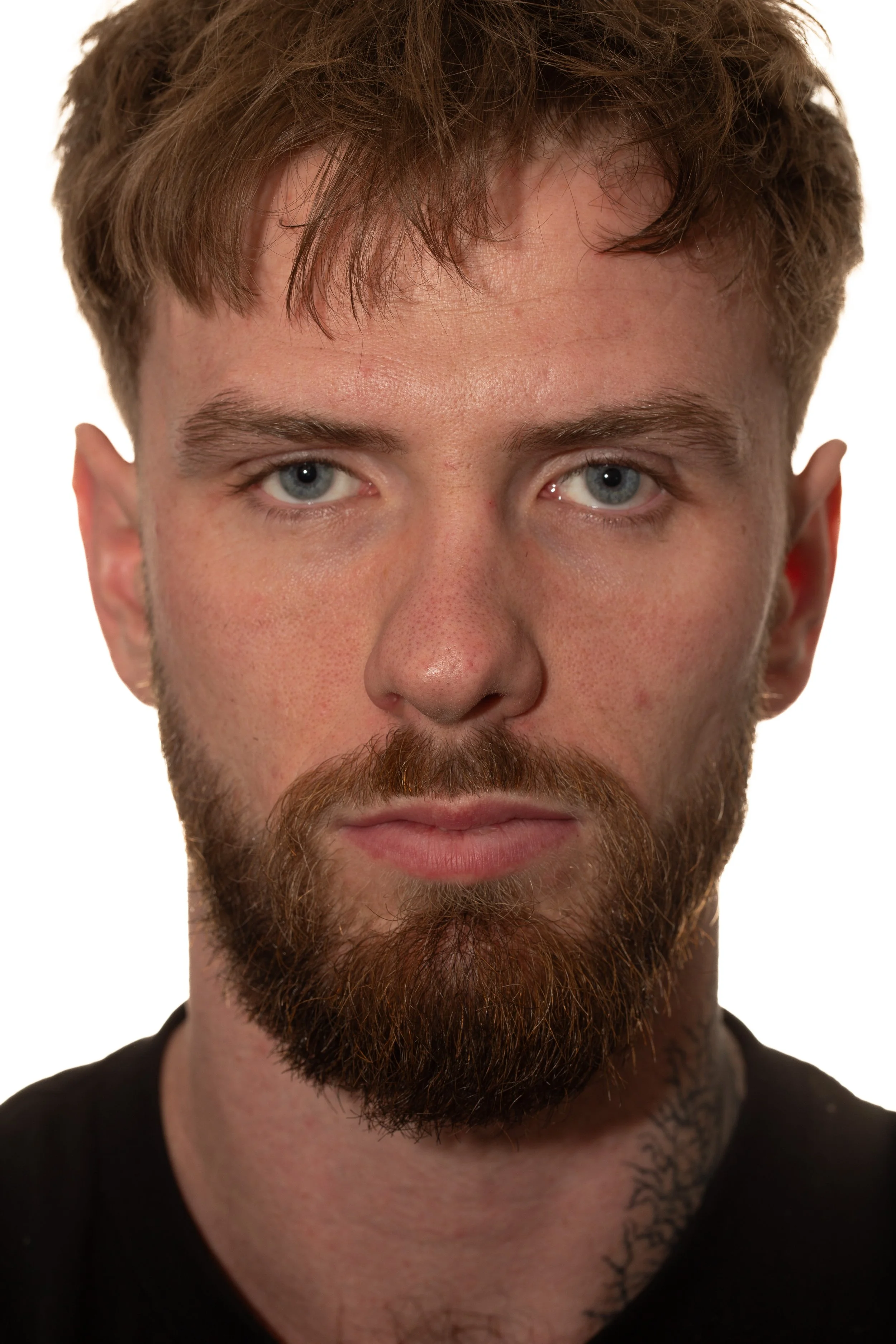
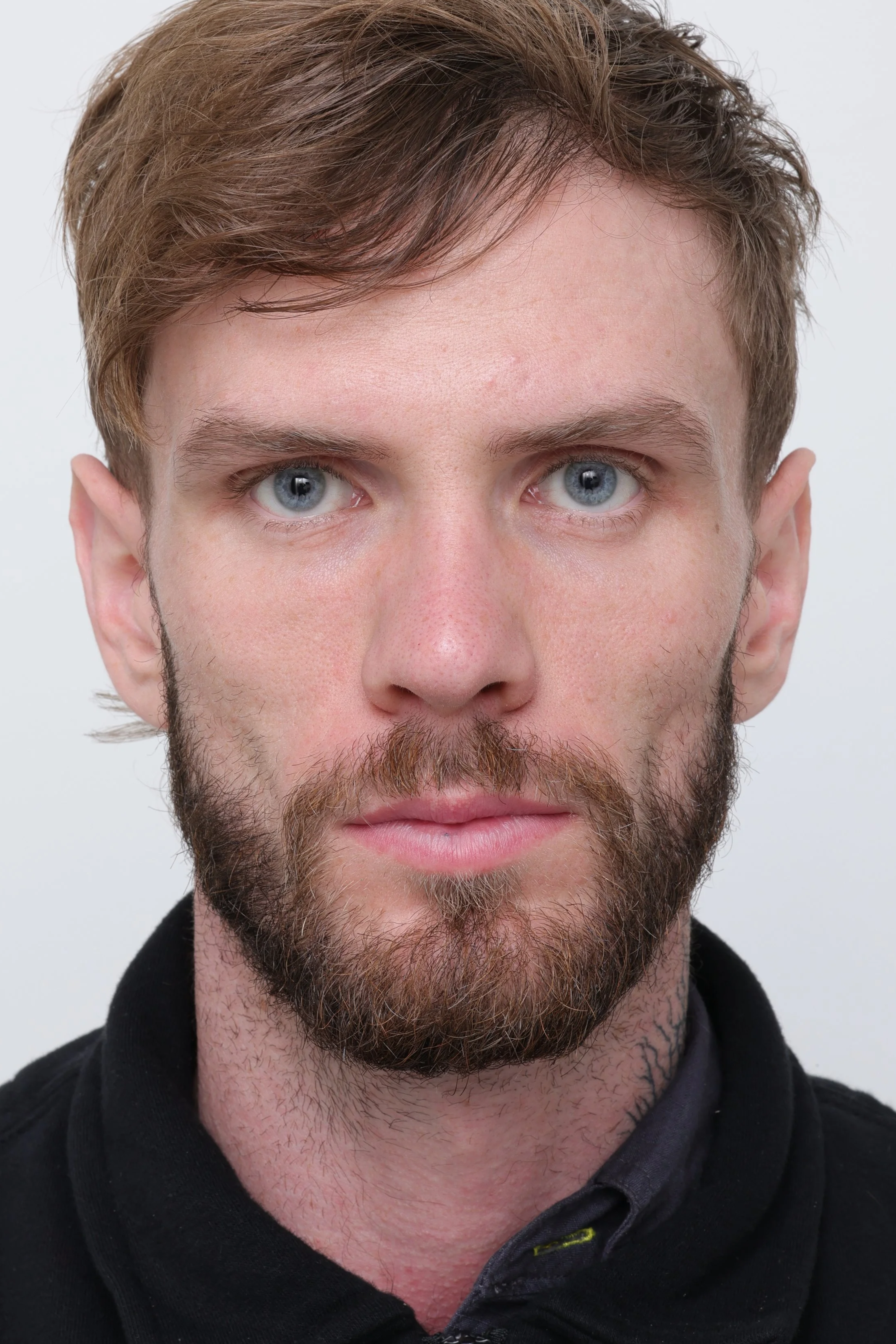
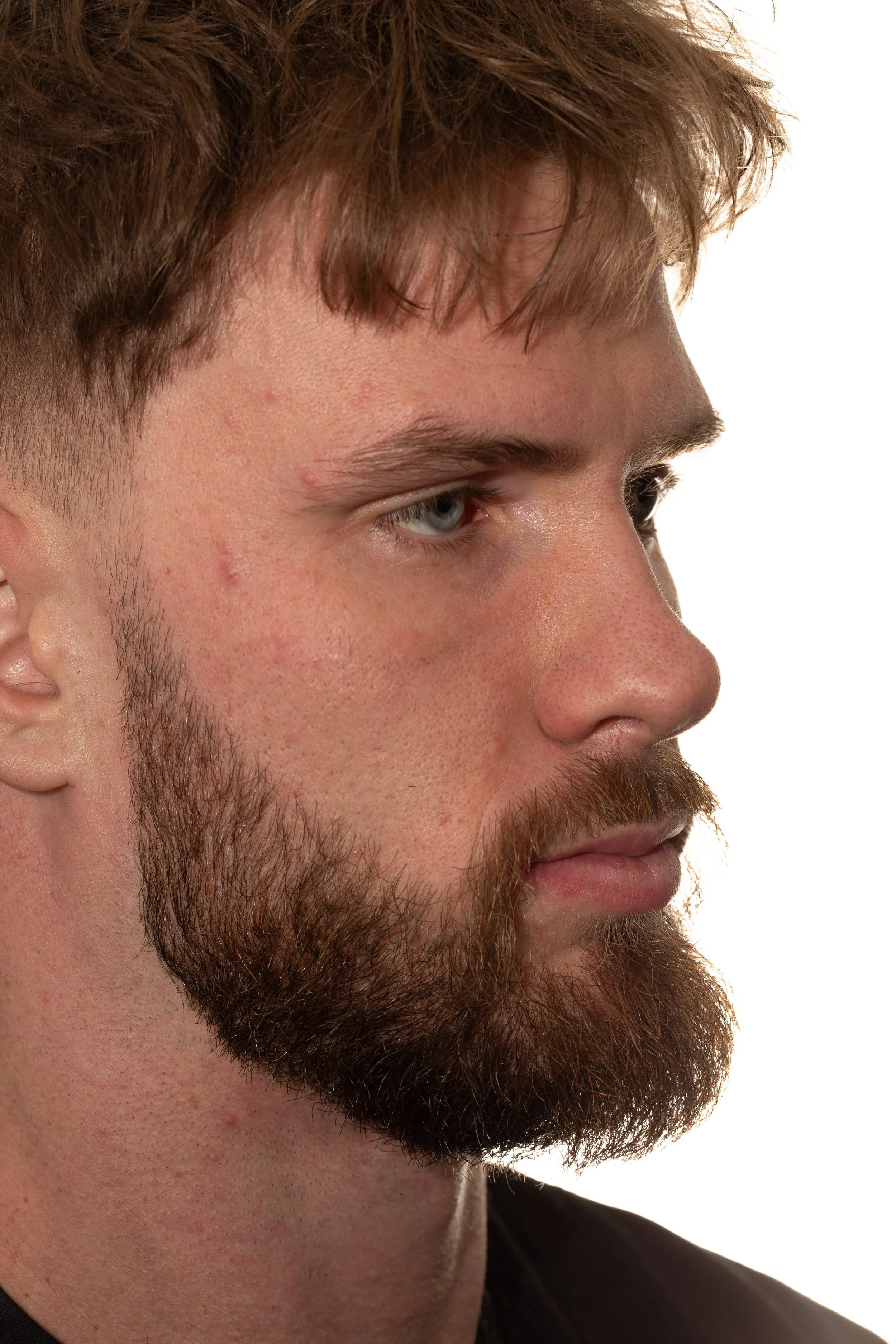
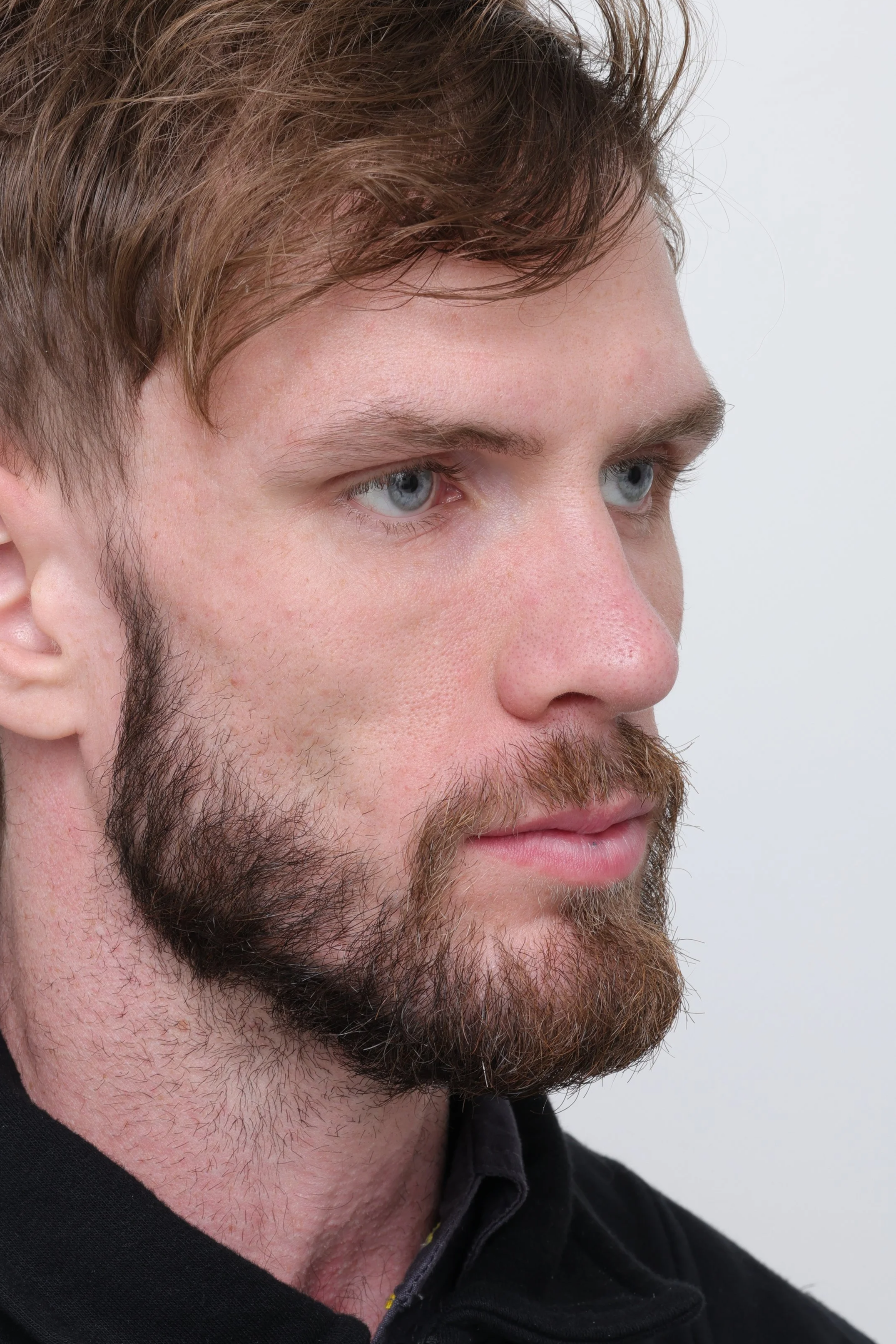
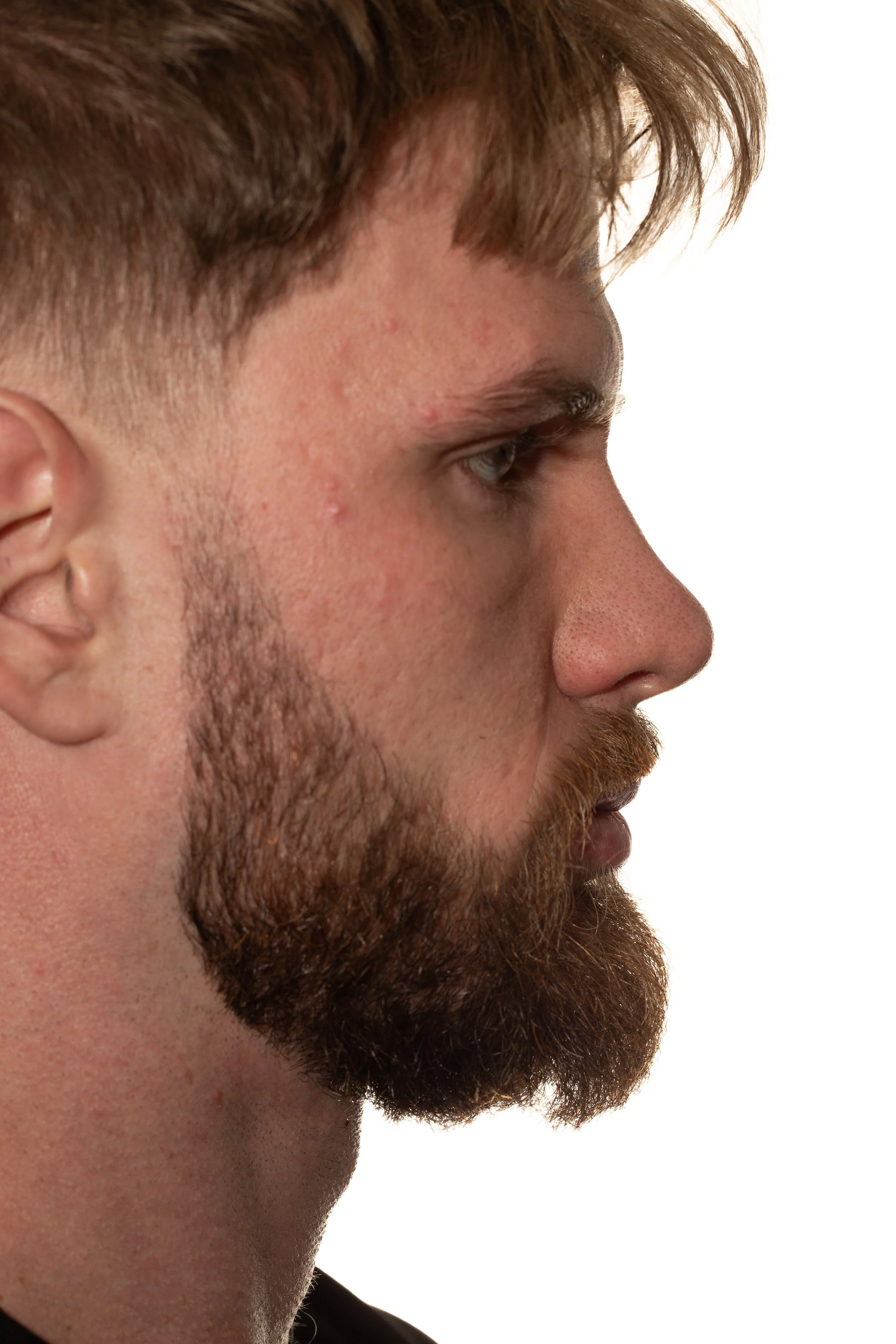
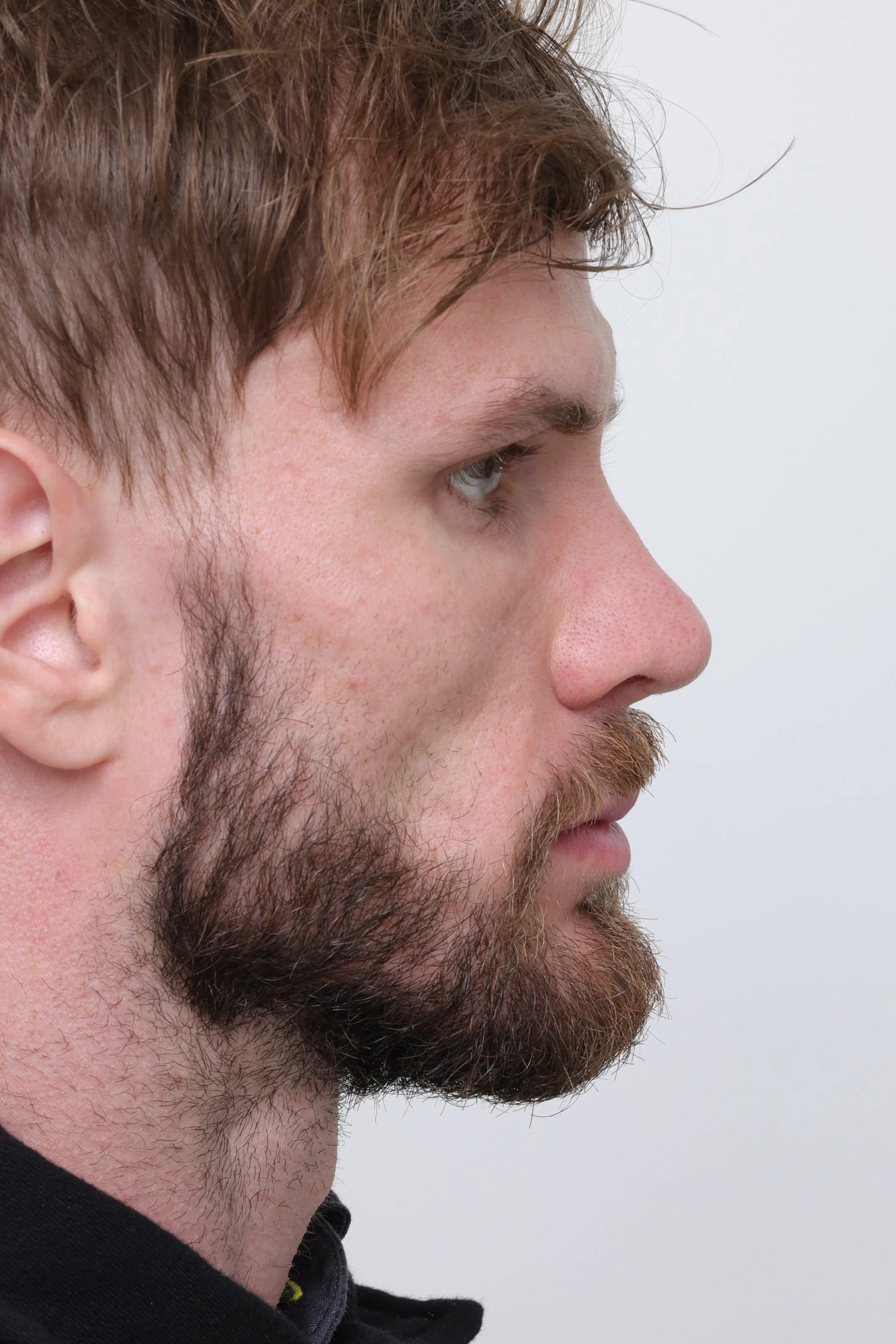
Case 4 — Nasal obstruction with a twisted, poorly supported nasal tip
This patient had persistent nasal obstruction that alternated between sides and was worse when lying down. He had previously undergone jaw surgery, after which his nasal airflow improved, but obstruction remained. A trial of nasal sprays provided little benefit.
Examination and CT imaging showed a deviation of the nasal septum, reduced support of the nasal tip and moderate enlargement of the turbinates. The external twist was centred mainly around the nasal tip, rather than the bony upper part of the nose. CT imaging also showed inflammatory changes in the sinuses, more marked on the right.
Surgery addressed the septal deviation, nasal obstruction and tip support. The nasal tip was repositioned and supported with cartilage grafts, and the turbinates were reduced. Endoscopic sinus surgery was also performed to treat the areas of sinus inflammation.
This case illustrates how a twist centred on the nasal tip can require a different approach from a deviation mainly involving the nasal bones. The nasal airway, tip support and sinus findings were considered together.
What happens at a consultation?
The consultation begins with a discussion of your nasal breathing, how long you have had symptoms, previous treatments, any history of injury or surgery, and what you hope to address.
Examination considers both the external shape and support of the nose and the internal nasal airway. Nasal endoscopy may be performed where appropriate. Depending on the findings, further investigation or non-surgical treatment may also be considered.
We discuss what may be contributing to the obstruction and which options may be relevant. These can include septoplasty, treatment of enlarged turbinates or functional septorhinoplasty. The appropriate approach depends on your individual anatomy and circumstances.
If surgery is being considered, the proposed procedure, alternatives and limitations are discussed. You have time to consider the information before deciding whether to proceed.
Click this link for more information about the consultation.
Risks and recovery
Recovery and risks vary according to the procedures performed and the individual patient. Nasal congestion and swelling are common during early healing. Nasal obstruction can persist after surgery and, in some circumstances, may worsen or develop anew.
Other possible risks include bleeding, infection, altered sensation or smell, septal perforation, asymmetry, scarring, problems related to cartilage grafts and the need for further treatment. Recovery and return to normal activities also vary.
Any surgical or invasive procedure carries risks. Before proceeding, you should seek a second opinion from an appropriately qualified health practitioner.
Quisque iaculis facilisis lacinia. Mauris euismod pellentesque tellus sit amet mollis.