Dorsal Hump Rhinoplasty in Melbourne
A dorsal hump is a prominence of the bridge of the nose that is usually most noticeable from the side or three-quarter view. It may be formed by the nasal bones, cartilage of the bridge, or a combination of both.
Rhinoplasty can reduce or reshape a dorsal hump, but removing the hump is only one part of planning the operation. The bridge needs to be considered in relation to the nasal tip, forehead, chin and the rest of the face. Changes to the bridge can also affect the structural support of the nose and, in some patients, nasal breathing.
My approach is therefore not simply to make the bridge straight or as low as possible. The aim is to determine what degree and shape of change is appropriate for the individual face while maintaining a stable and functional nasal framework.
Dorsal hump rhinoplasty — selected cases
Dorsal humps can occur with quite different nasal shapes and underlying anatomy. The examples below illustrate some of the factors that may need to be considered when planning rhinoplasty, including the shape of the bridge, nasal tip, septum, nasal airway and overall facial proportions whilst still aiming to achieve a natural result that harmonises with other facial aesthetic elements.
Marked dorsal hump with slight nasal overprojection and mild twist
This patient had persistent nasal obstruction, which could affect either side. Examination showed a very prominent hump on the bridge of the nose, slight overprojection and a mild twist to the left. The septum was displaced and markedly deviated further back. The area between the eyes and the top of the nose (the radix) was also relatively deep.
Surgery addressed both the nasal obstruction and the patient’s concerns about the appearance of the nose. The hump was reduced, the nasal bones were reshaped and the deep radix was augmented. The septum was repositioned, with cartilage used to support the nasal framework. A turbinoplasty was also performed.
The breathing passages and external shape were considered together, with attention to maintaining support while addressing the septal deviation, profile and mild twist.
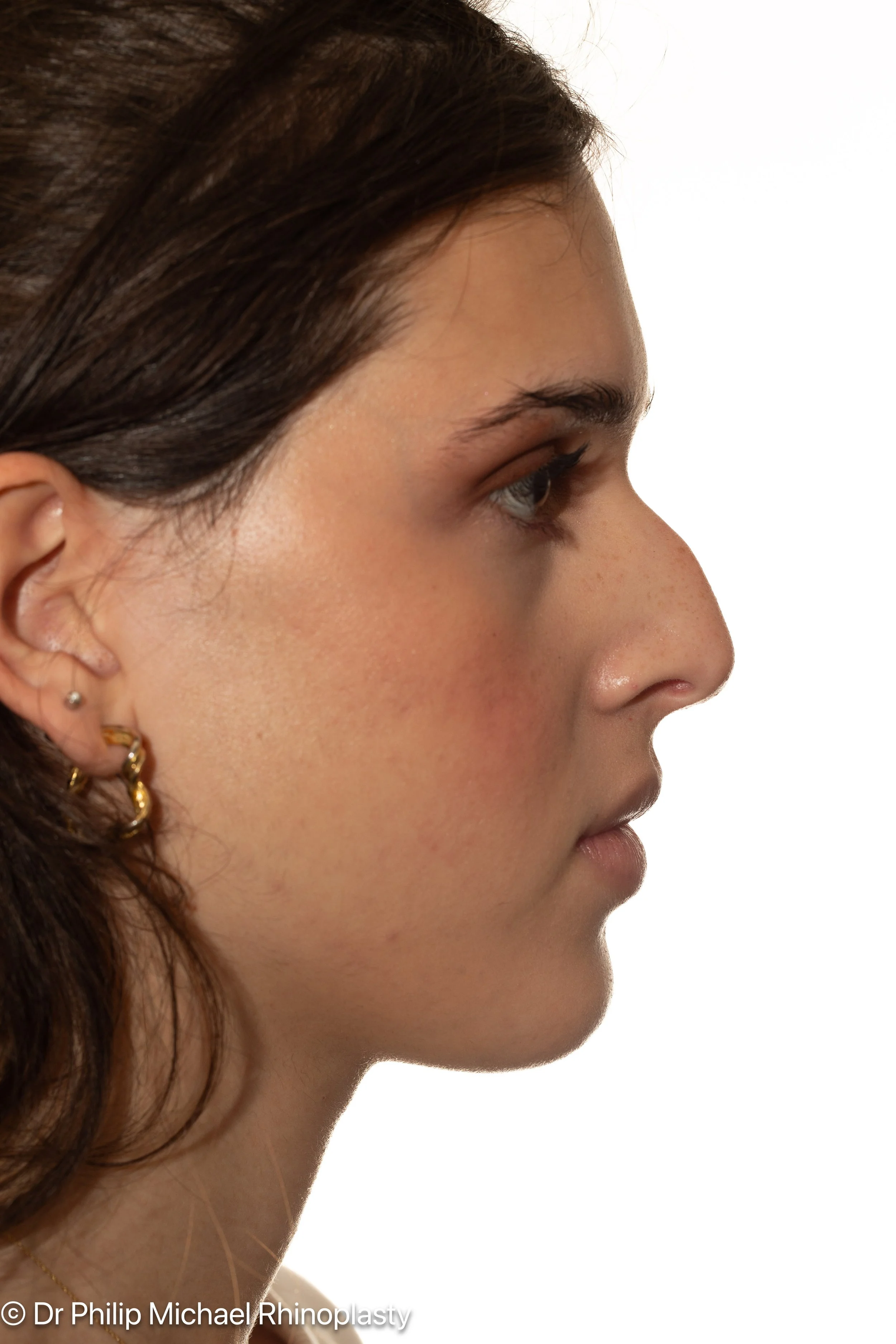
Before Surgery
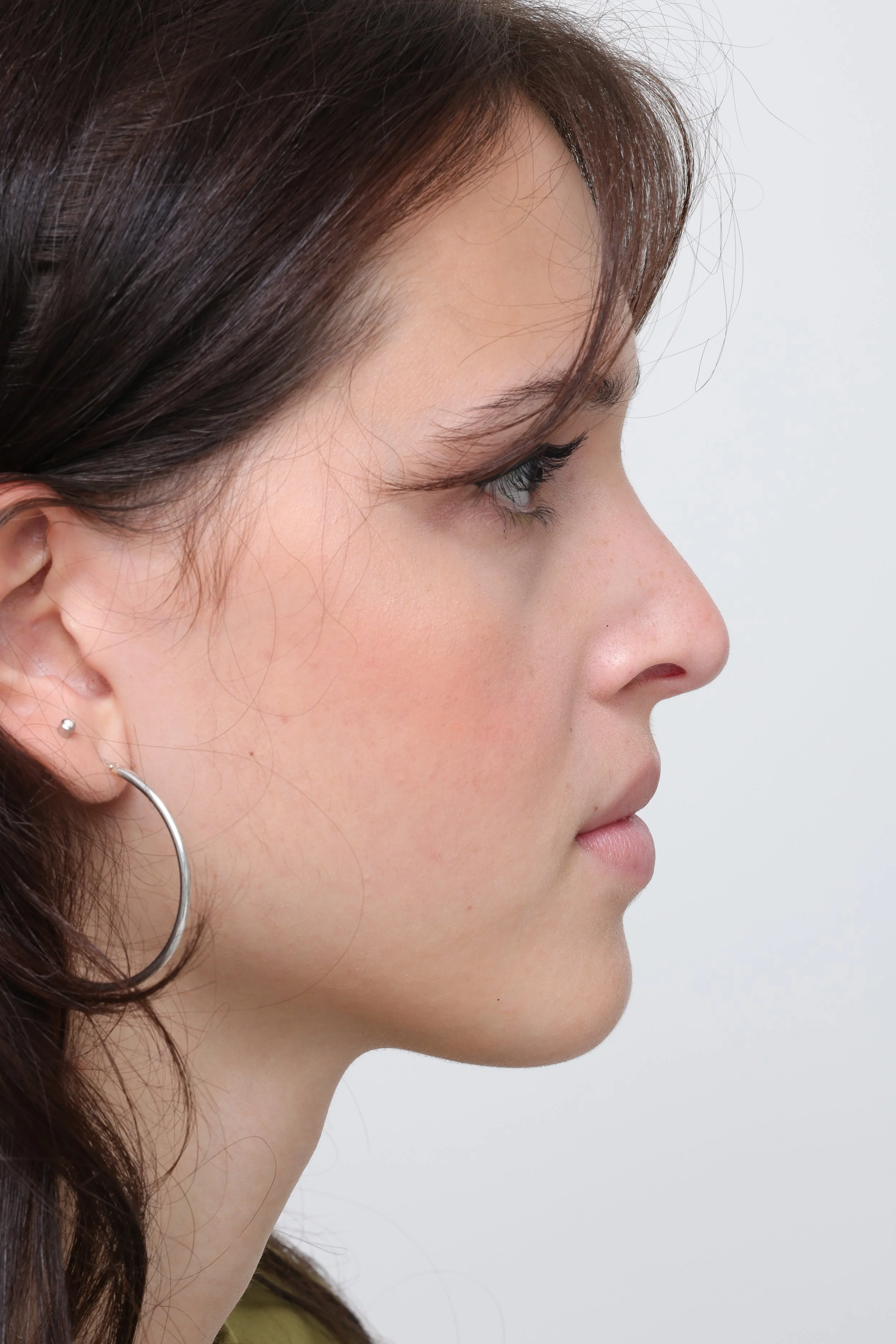
12 months after surgery
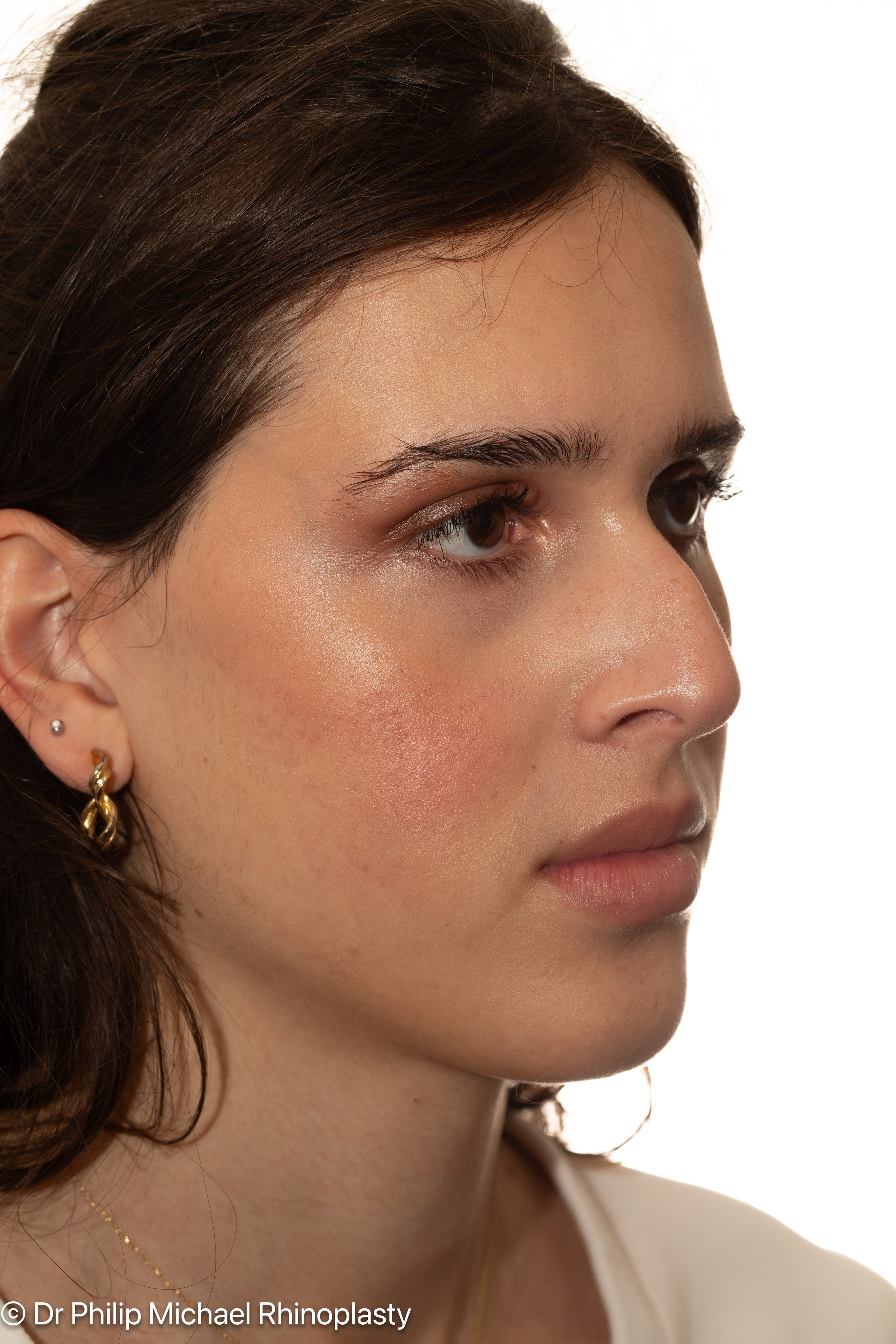
Before Surgery
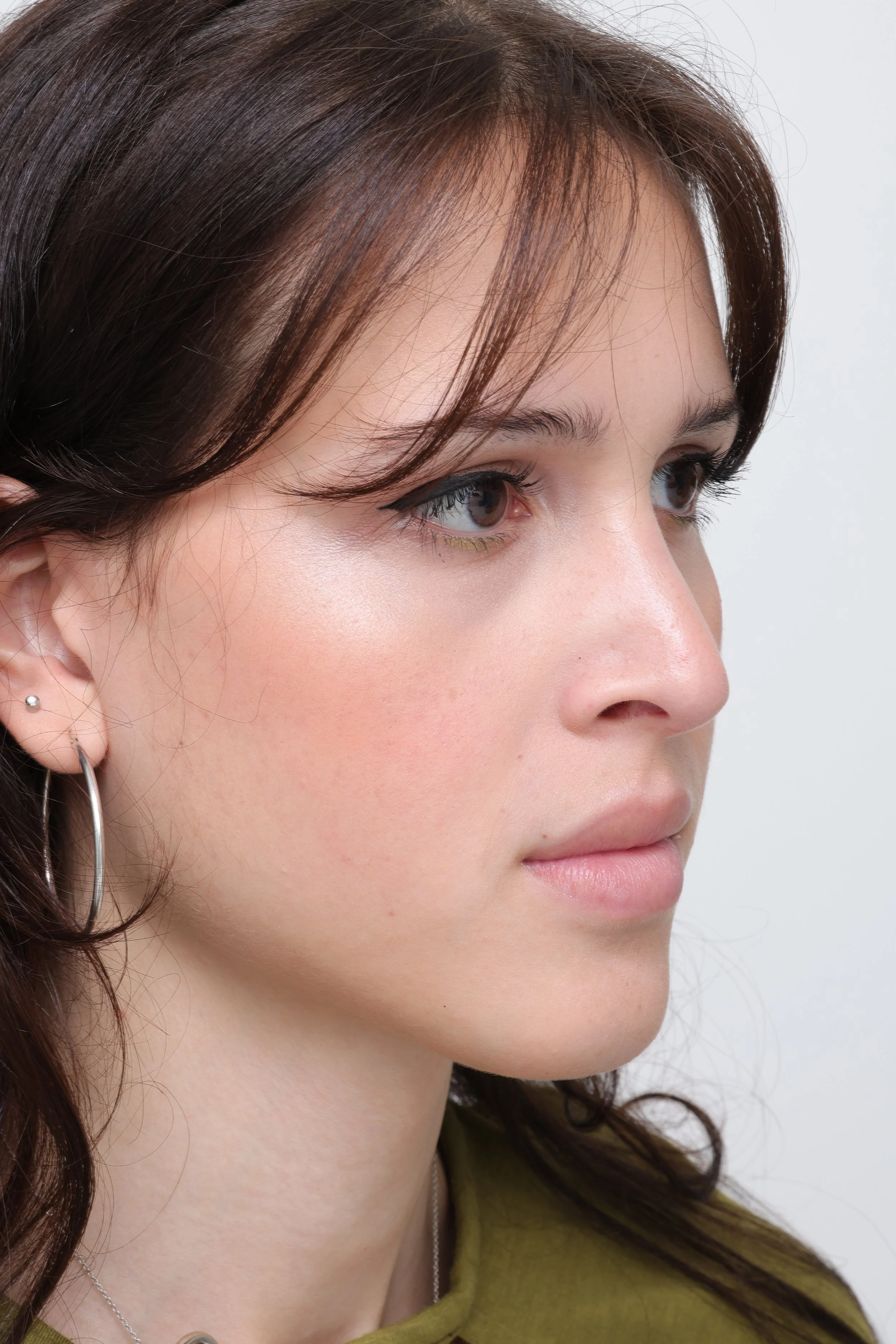
12 months after surgery
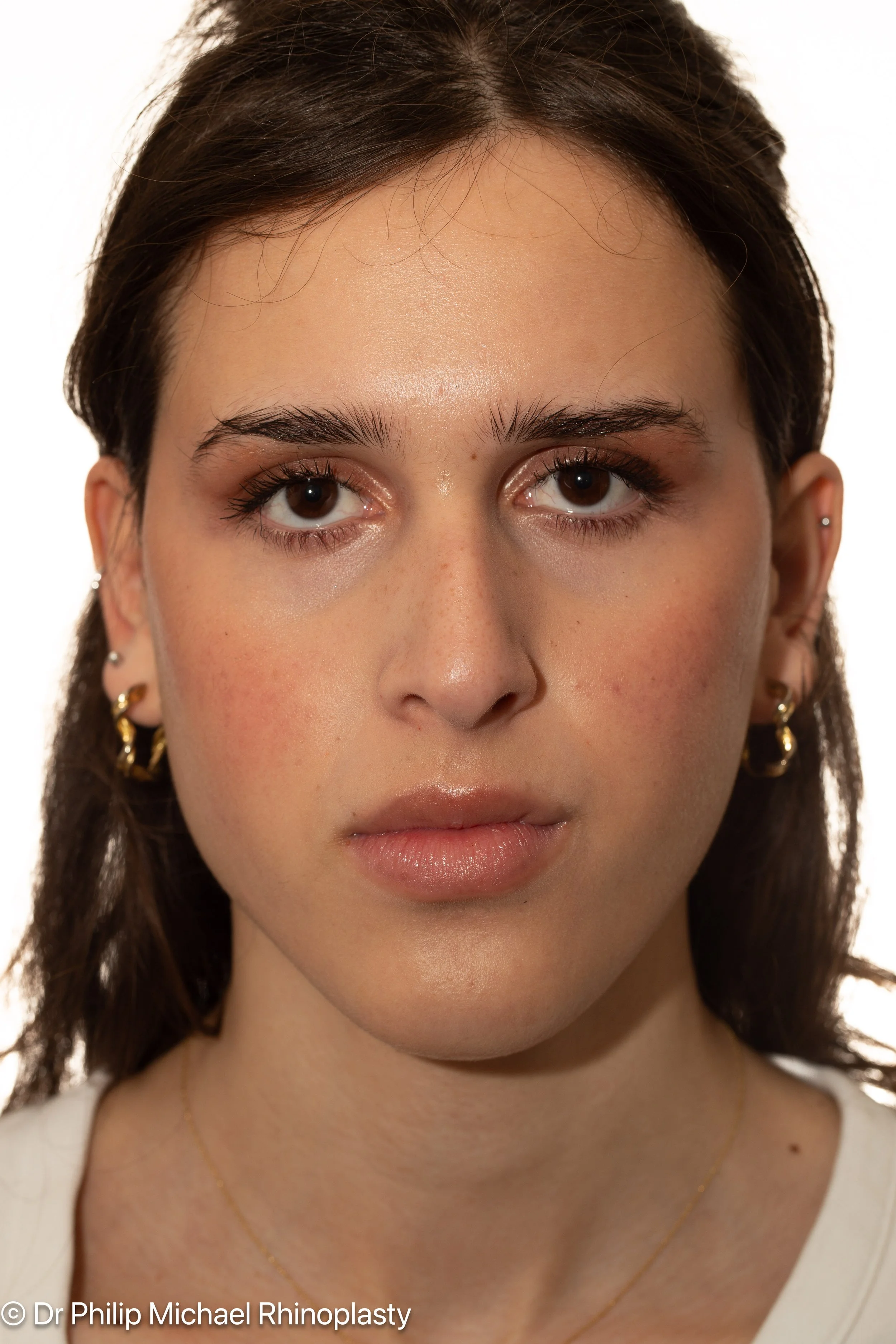
Before Surgery
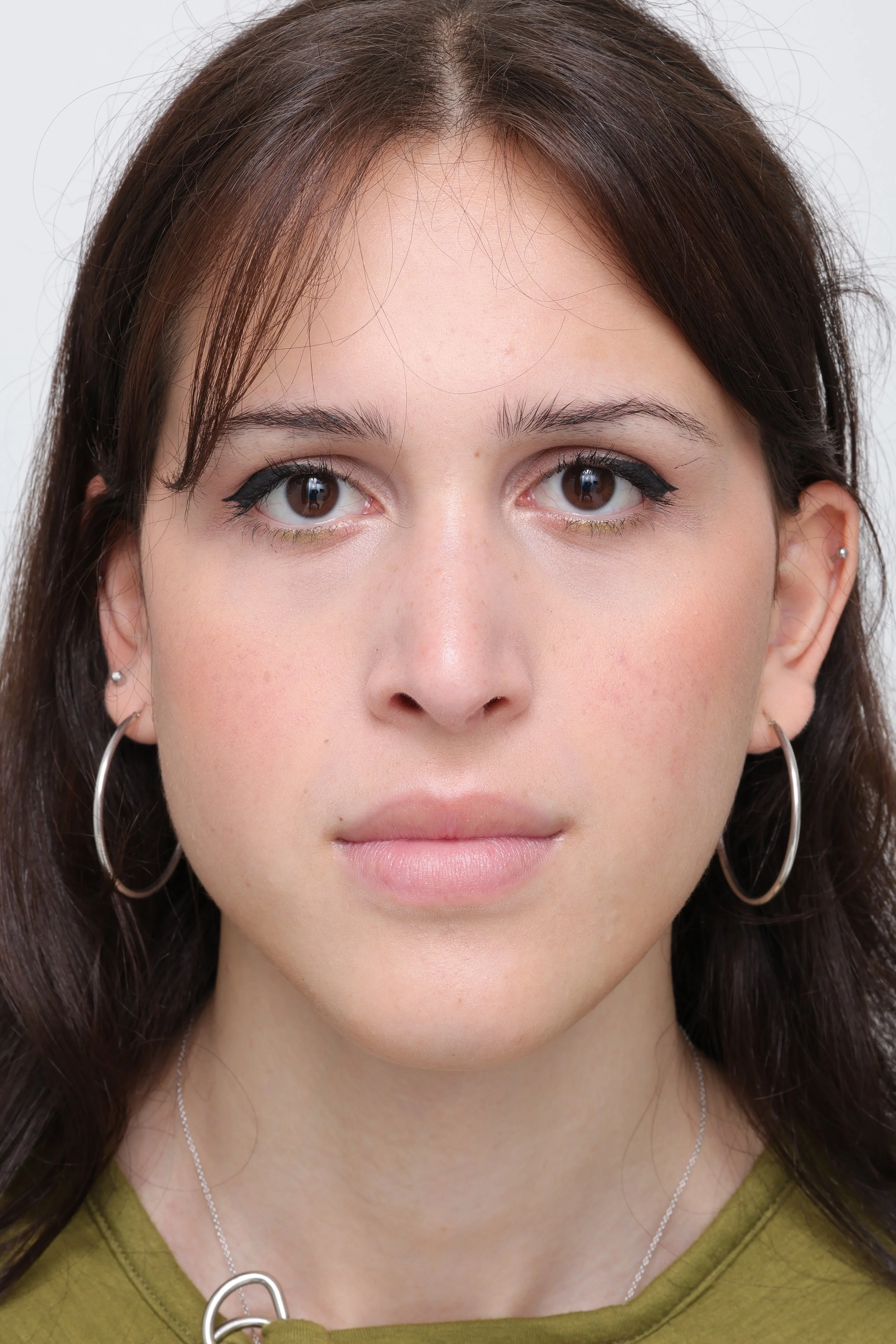
12 months after surgery
Dorsal hump, nasal deprojection and internal nasal valve narrowing
This patient had long-standing obstruction on both sides of her nose, slightly worse on the left. Nasal sprays had not helped, while nasal strips improved her breathing at night. She also wished to discuss her dorsal hump, slight deviation of her nasal bridge to the right and an over-projected tip.
Examination showed narrowing of the internal nasal valves, with the upper lateral cartilages moving inwards during inspiration. The nasal lining was healthy, and the turbinates were moderately enlarged. Her sinus CT did not show significant sinus disease.
Surgery combined functional and cosmetic rhinoplasty with turbinoplasty. The dorsal hump was reduced and the nasal bones reshaped. Cartilage grafts were placed to support the upper lateral cartilages, and a septal extension graft was used to support and refine the tip. Bilateral turbinoplasty was also performed.
The nasal airway, bridge and tip were considered together, with structural support maintained while addressing the areas contributing to obstruction and the patient’s appearance concerns.
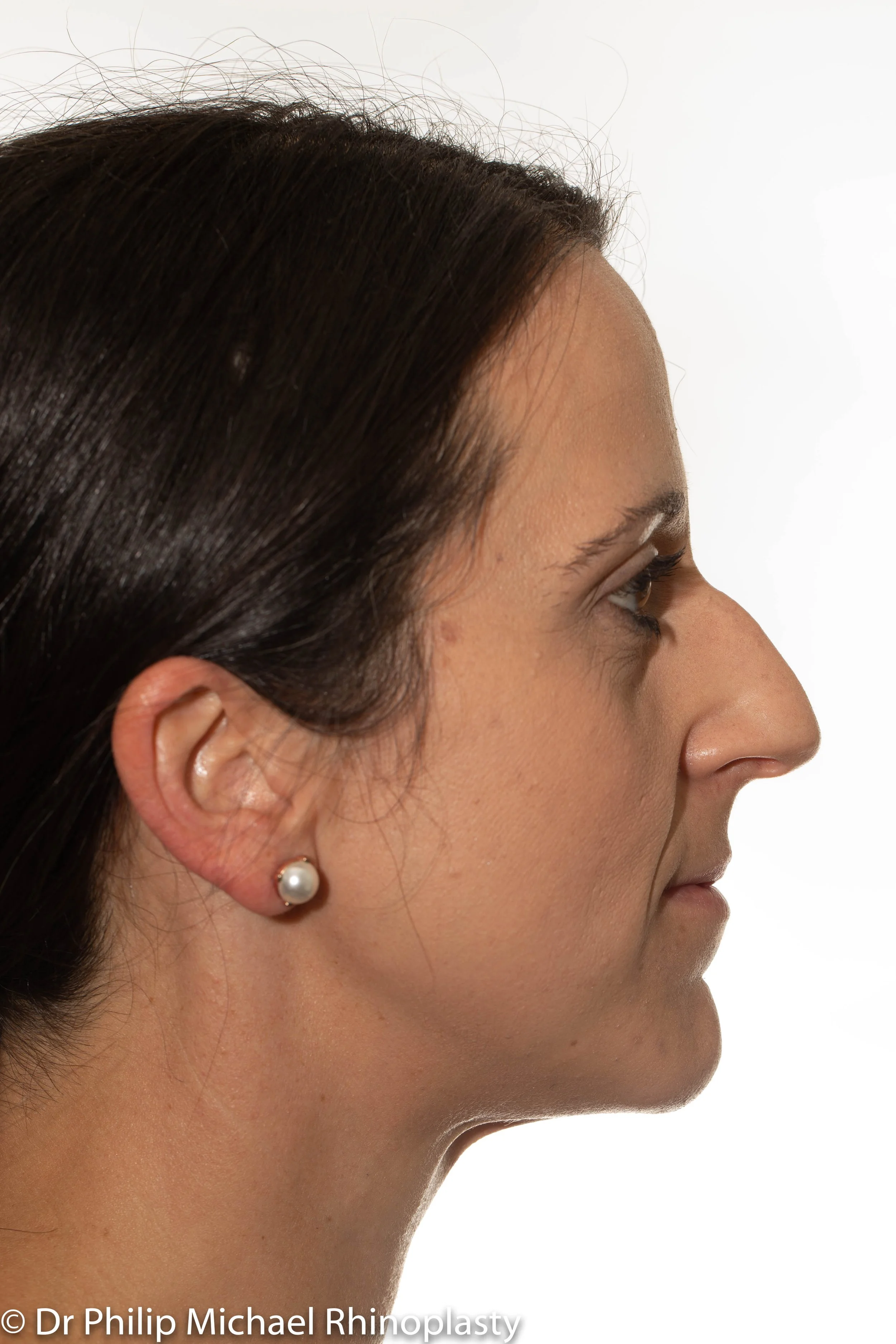
Before surgery
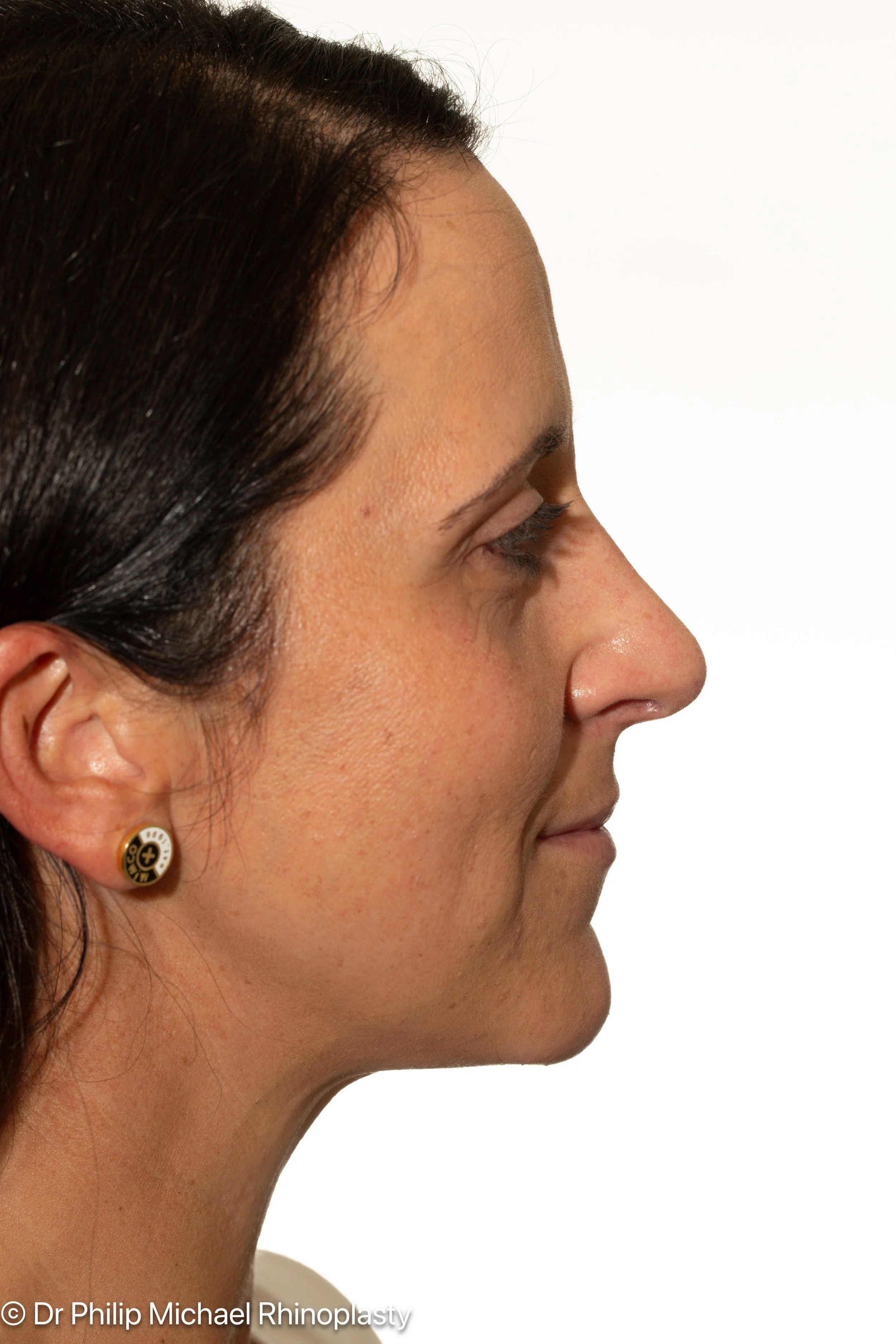
6 months after surgery
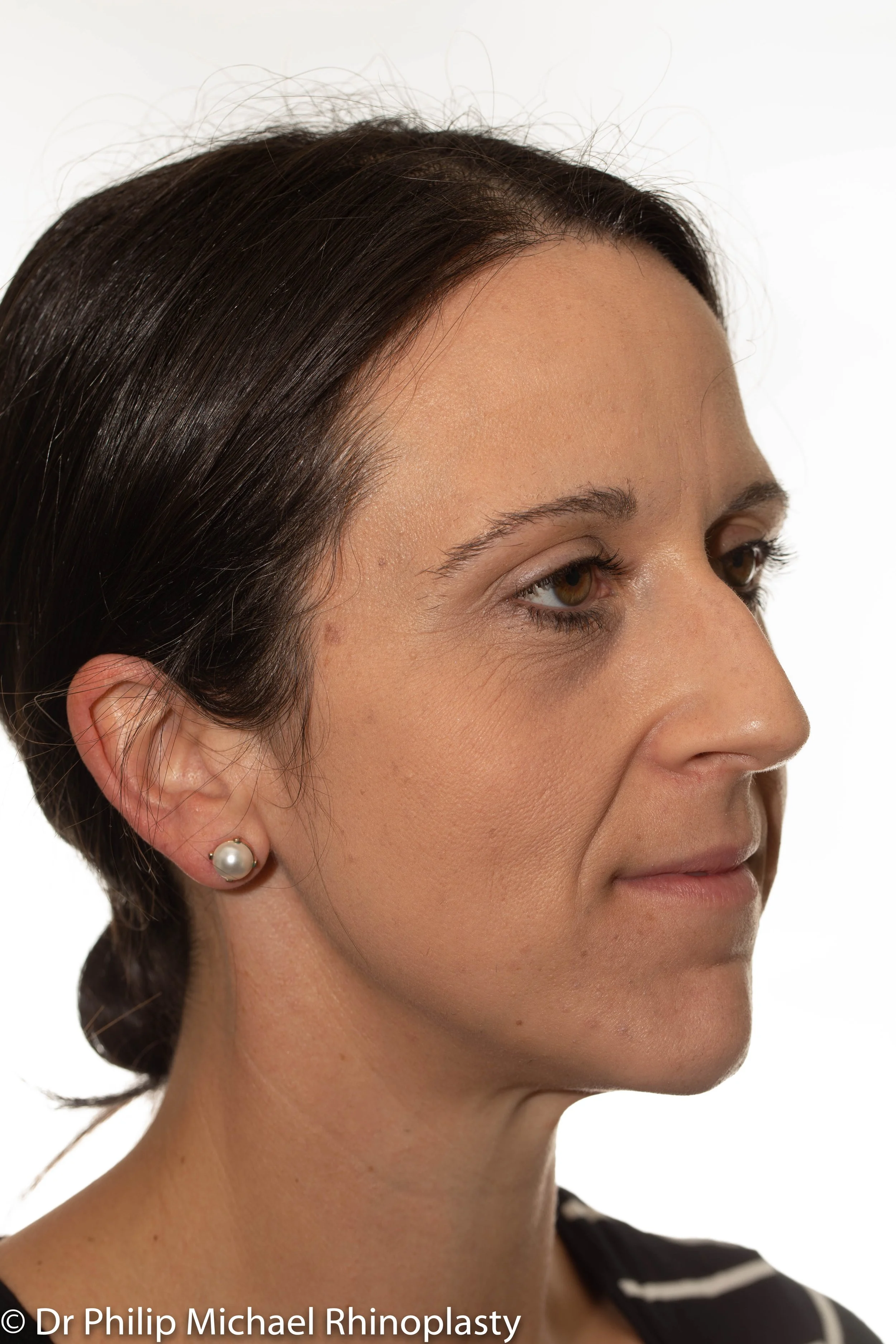
Before surgery
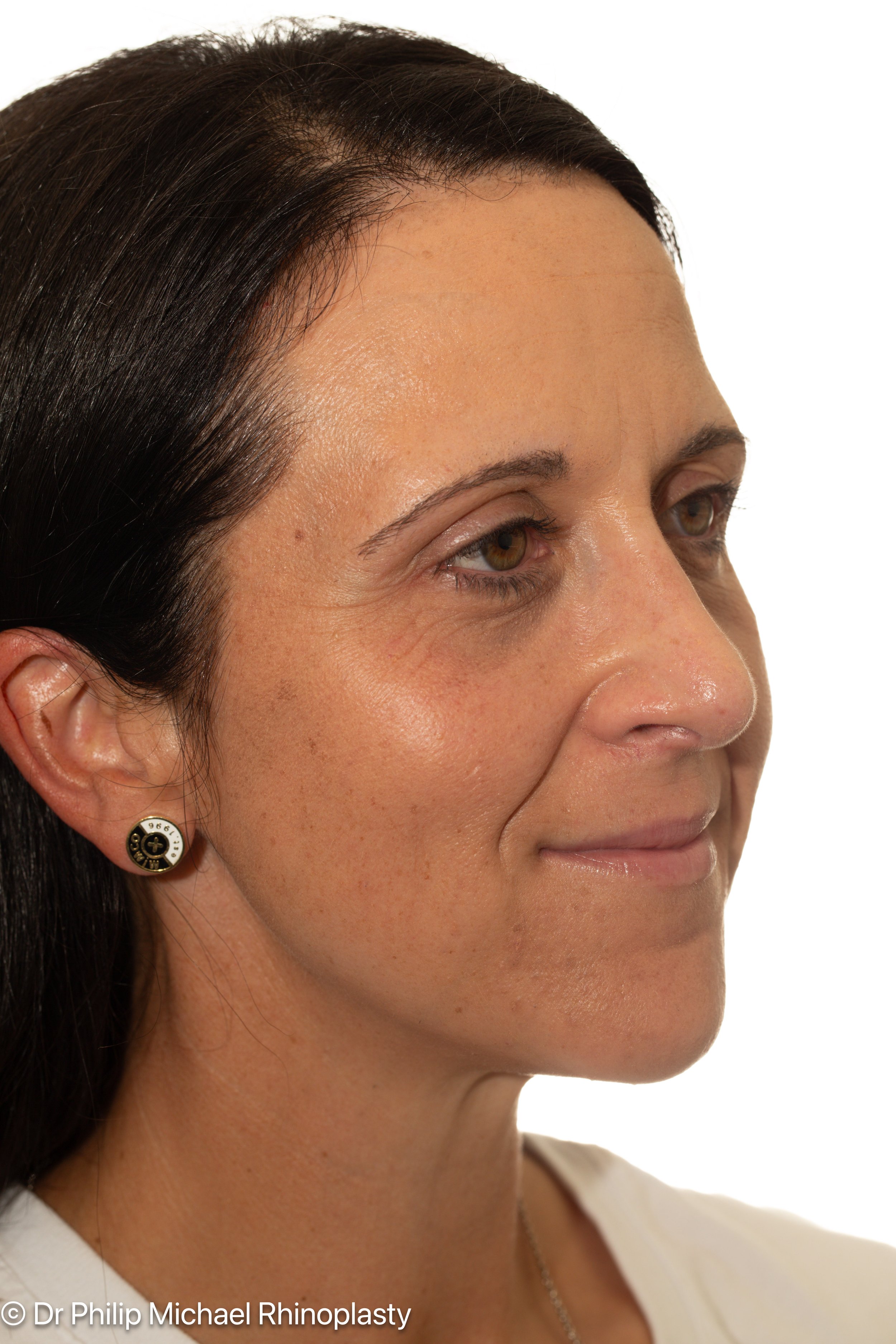
6 months after surgery
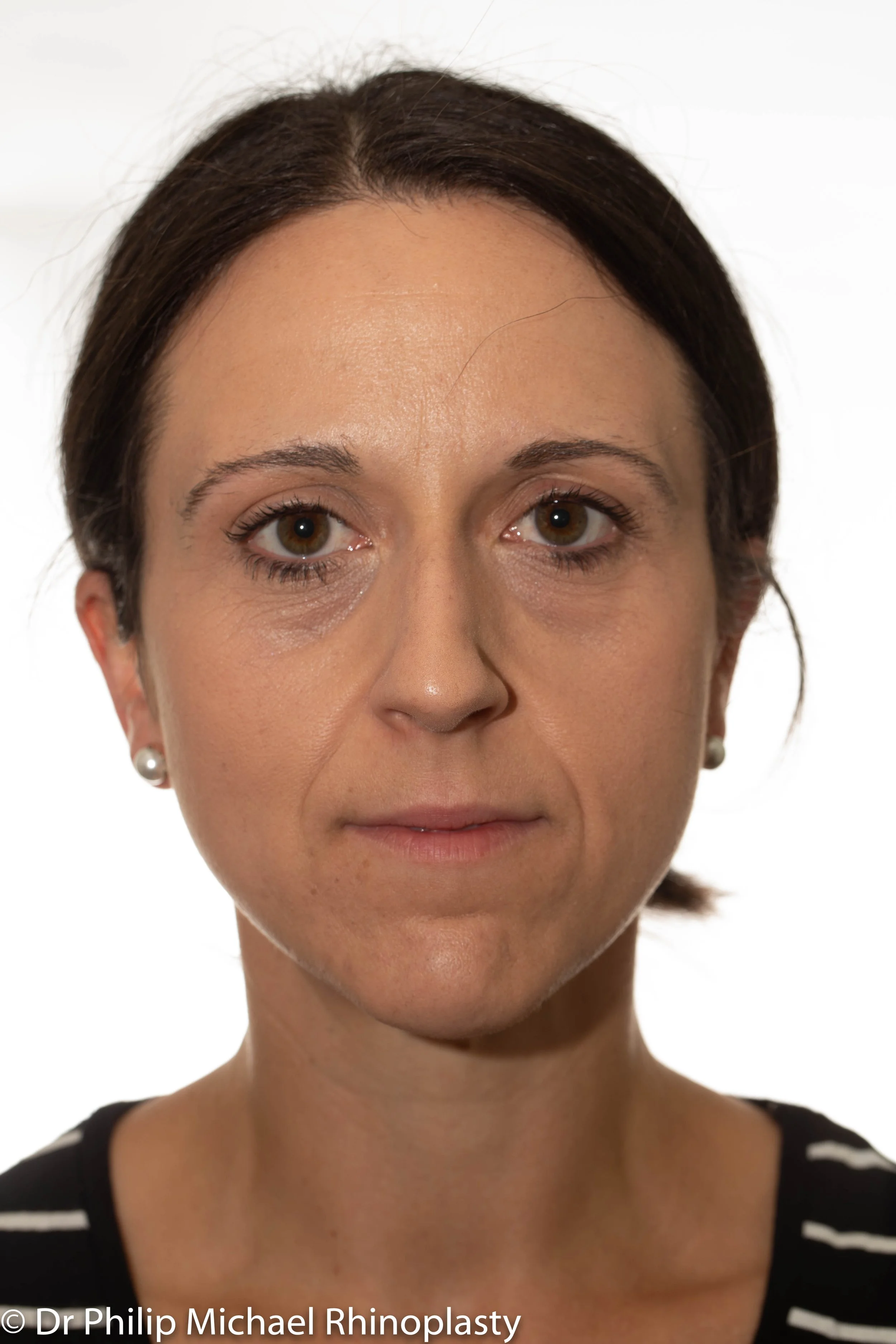
Before surgery
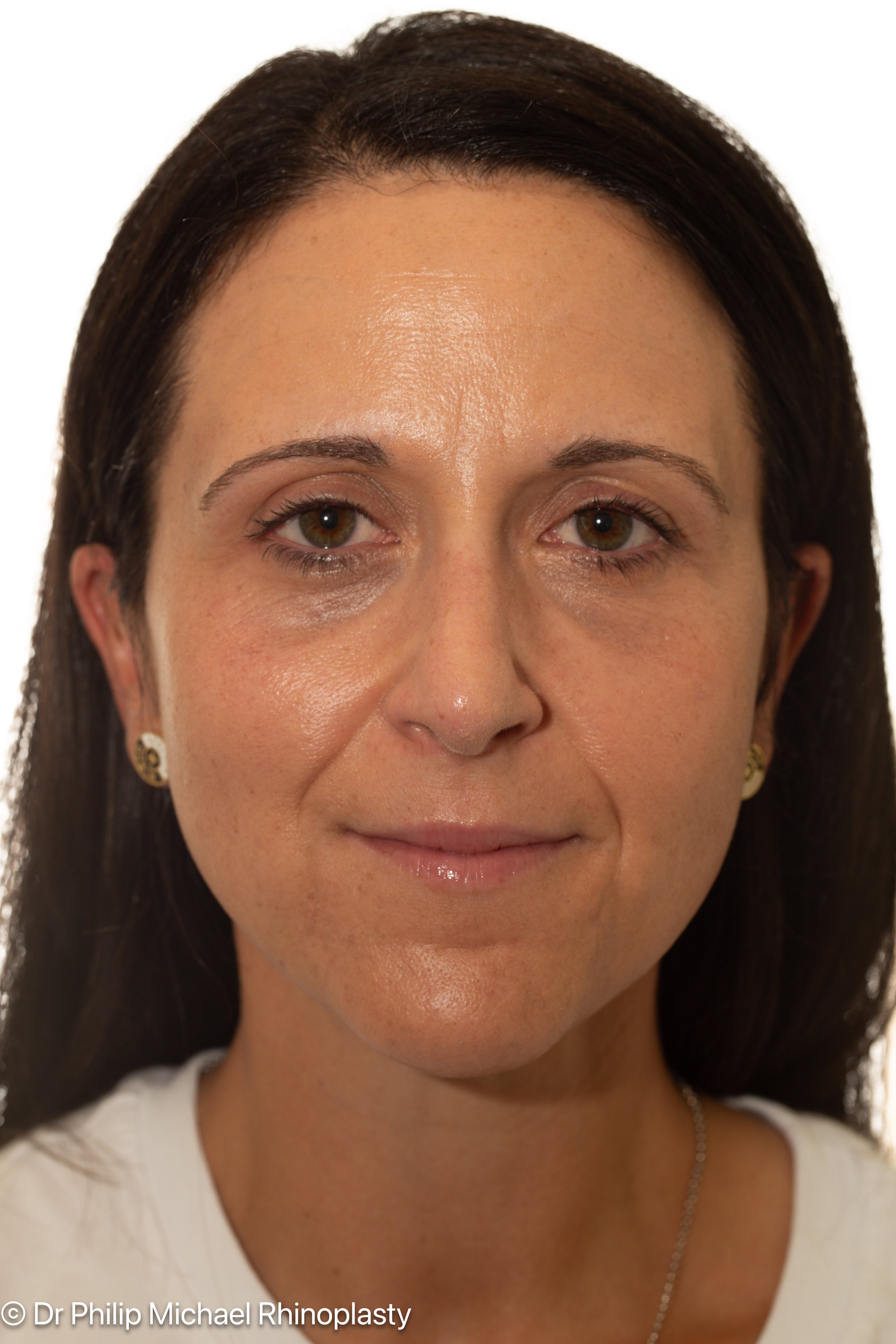
6 months after surgery
Dorsal hump with nasal deprojection
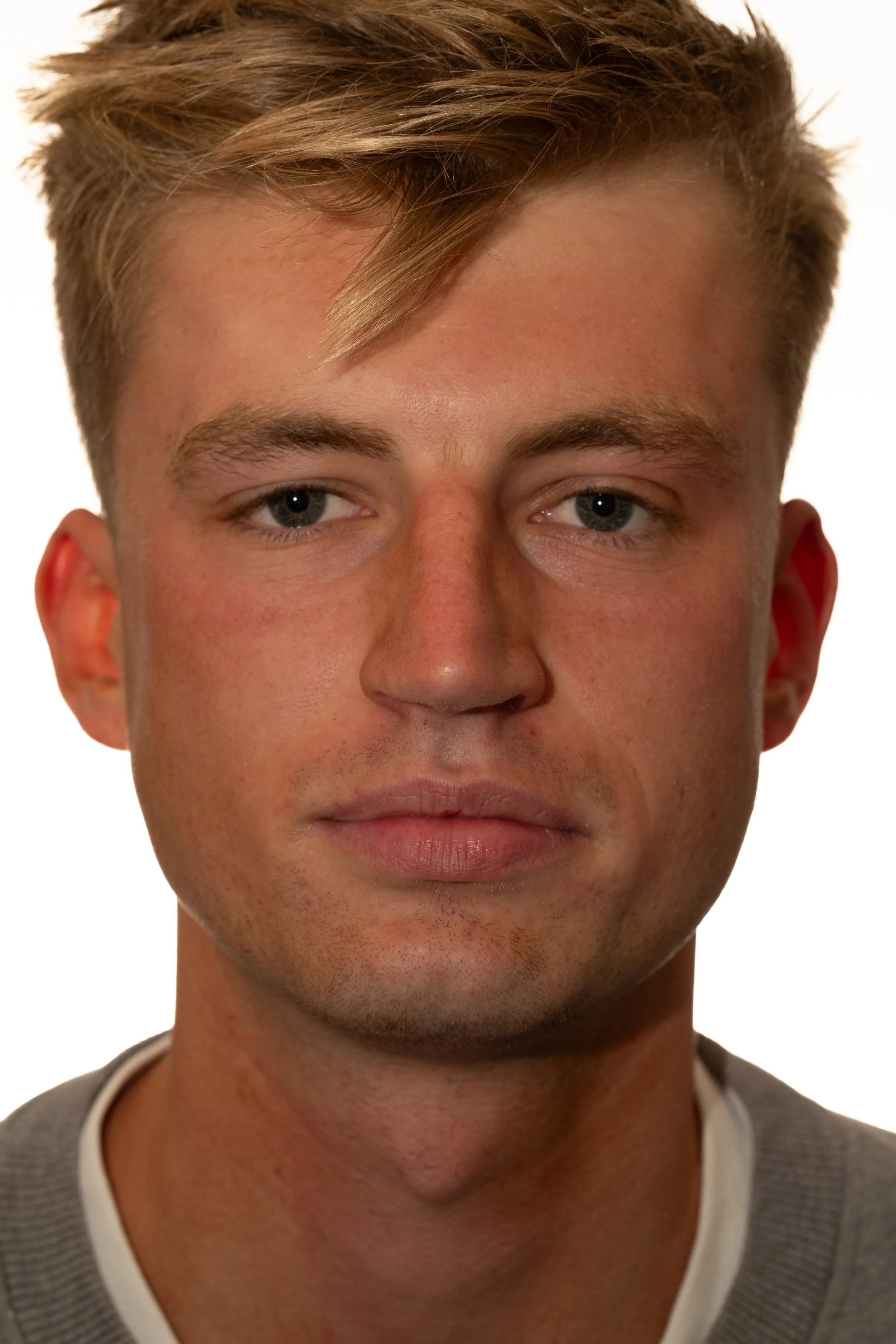
This patient underwent combined functional and cosmetic rhinoplasty. He had a prominent dorsal hump and a relatively projected nose, together with functional nasal symptoms.
Surgery included structural reduction of the dorsal hump and deprojection of the nose. A piezotome was used to reshape the nasal bones, with spreader grafts used to reconstruct and support the middle part of the nasal framework. Additional cartilage support was used to stabilise the nasal tip and its relationship with the septum.
The nasal airway, bridge and tip were considered together so that reducing the dorsal hump and projection did not compromise structural support or nasal function.
The postoperative photograph was taken at 12 months.
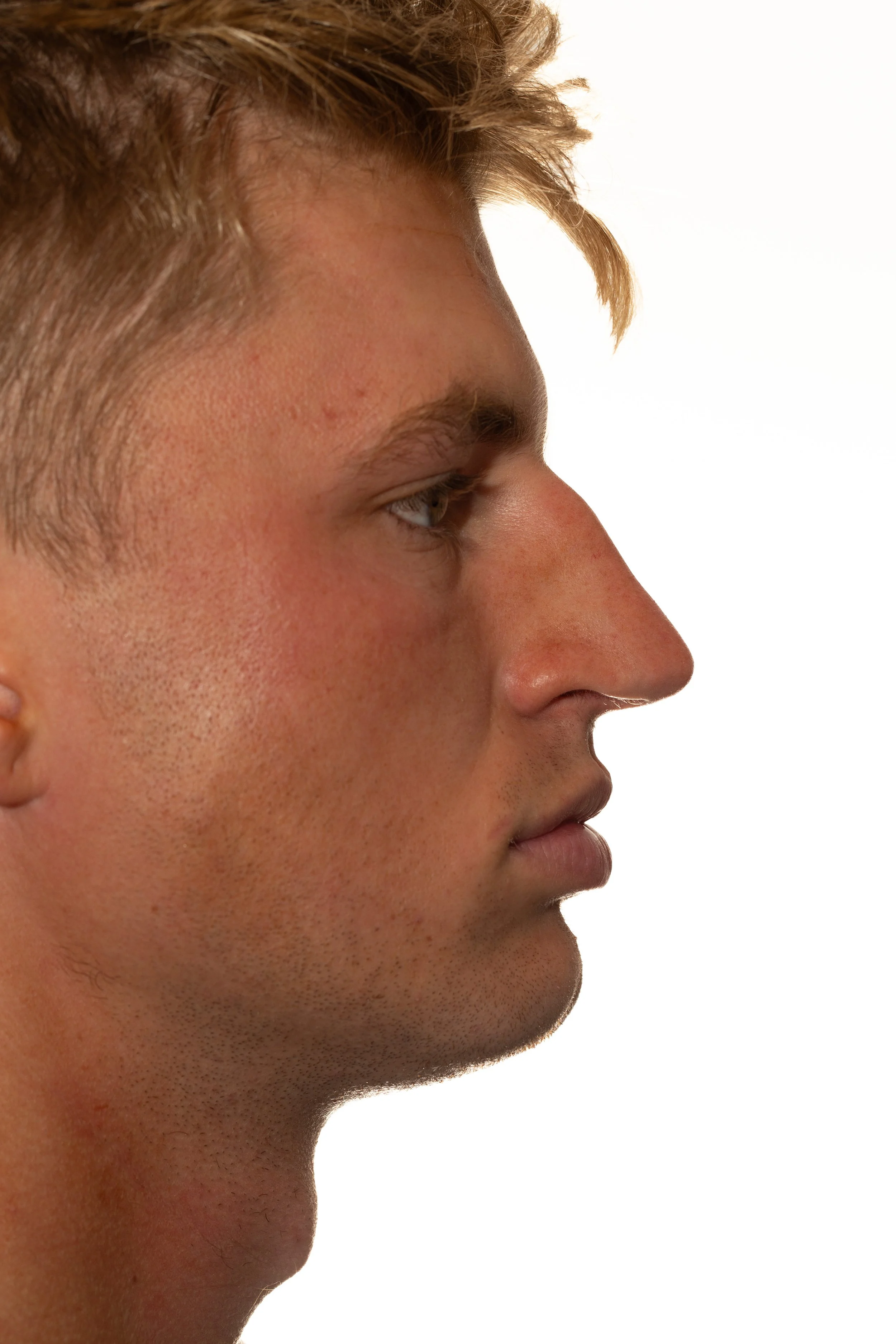
Before surgery
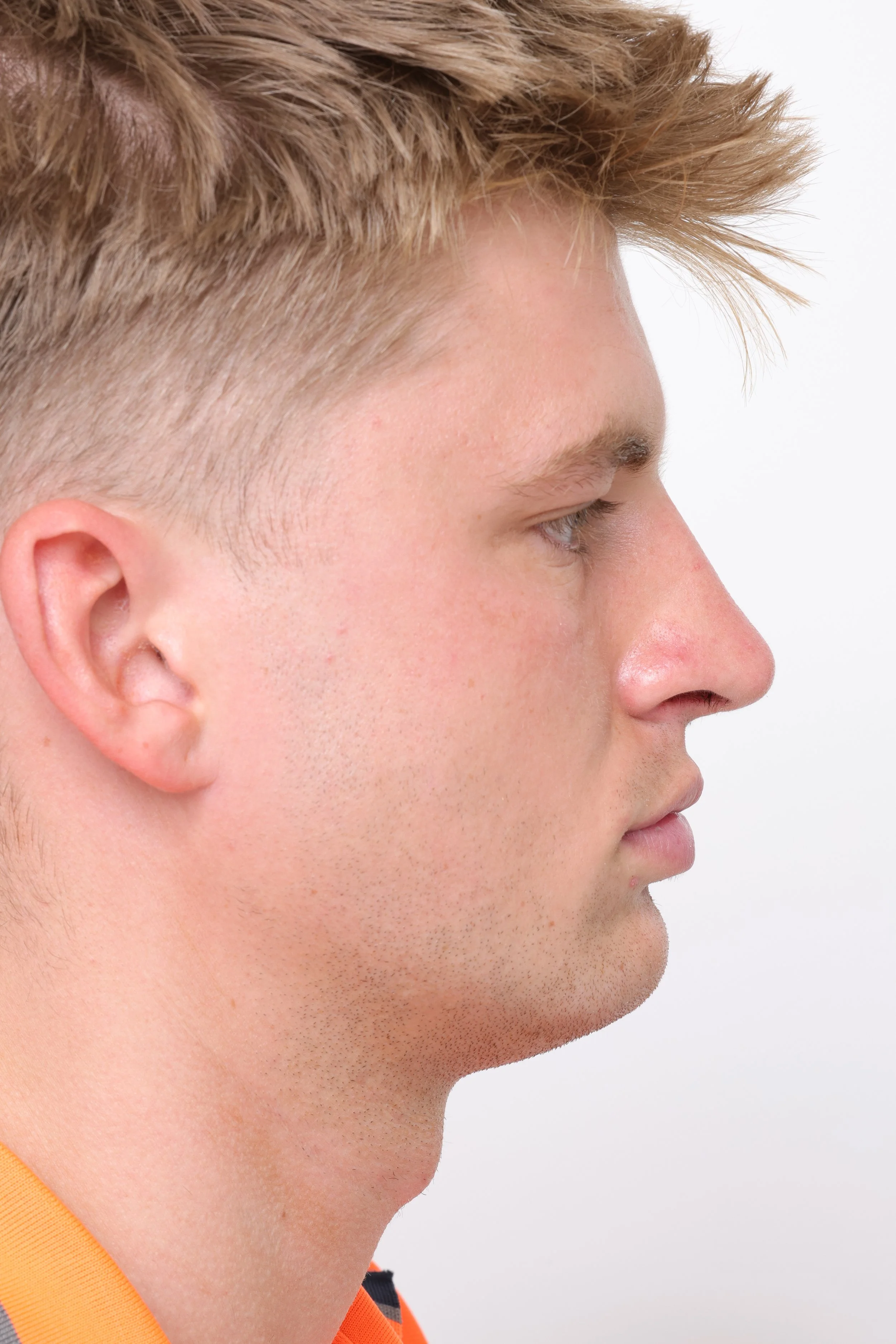
12 months after surgery
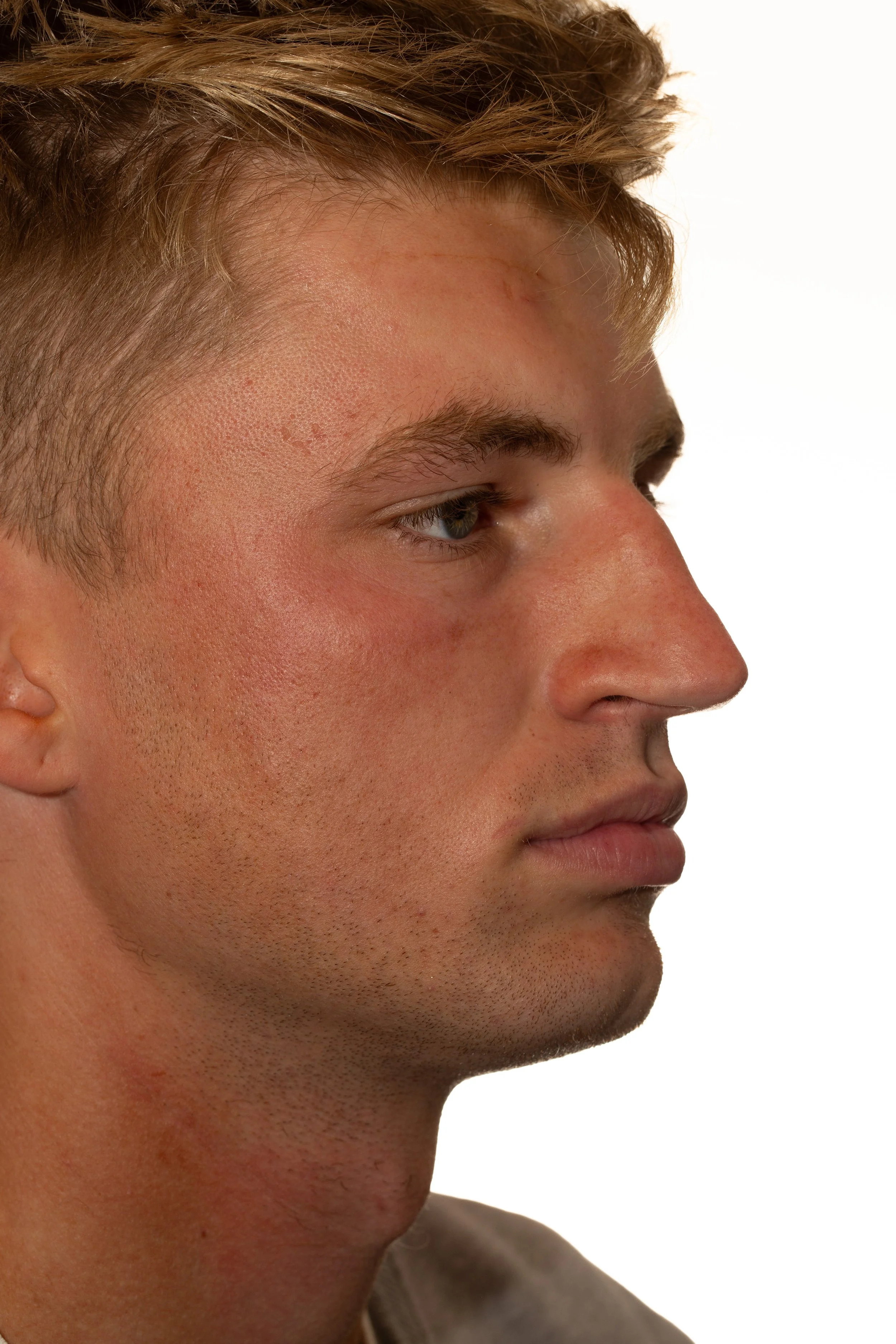
Before surgery
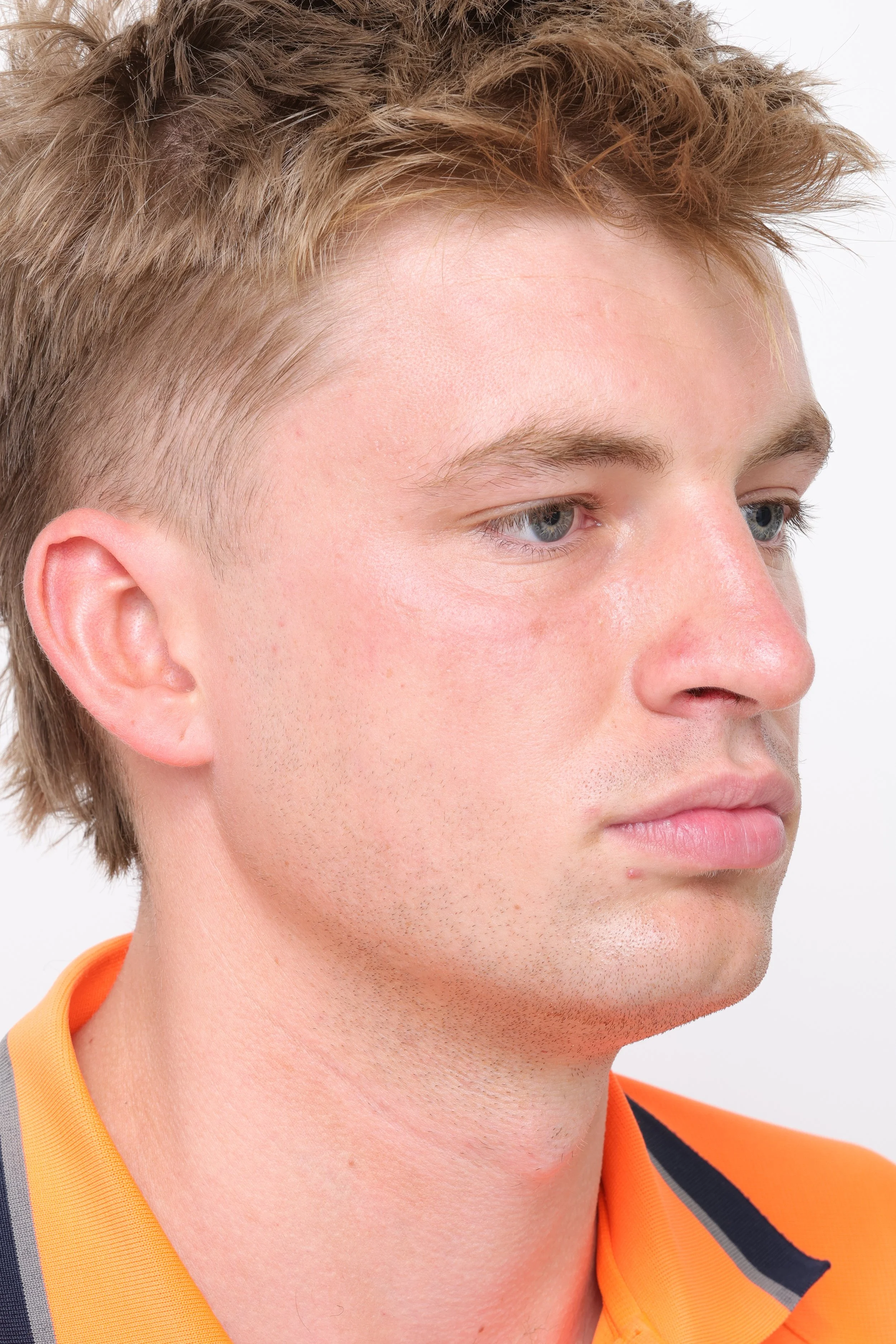
12 months after surgery
Before surgery

12 months after surgery
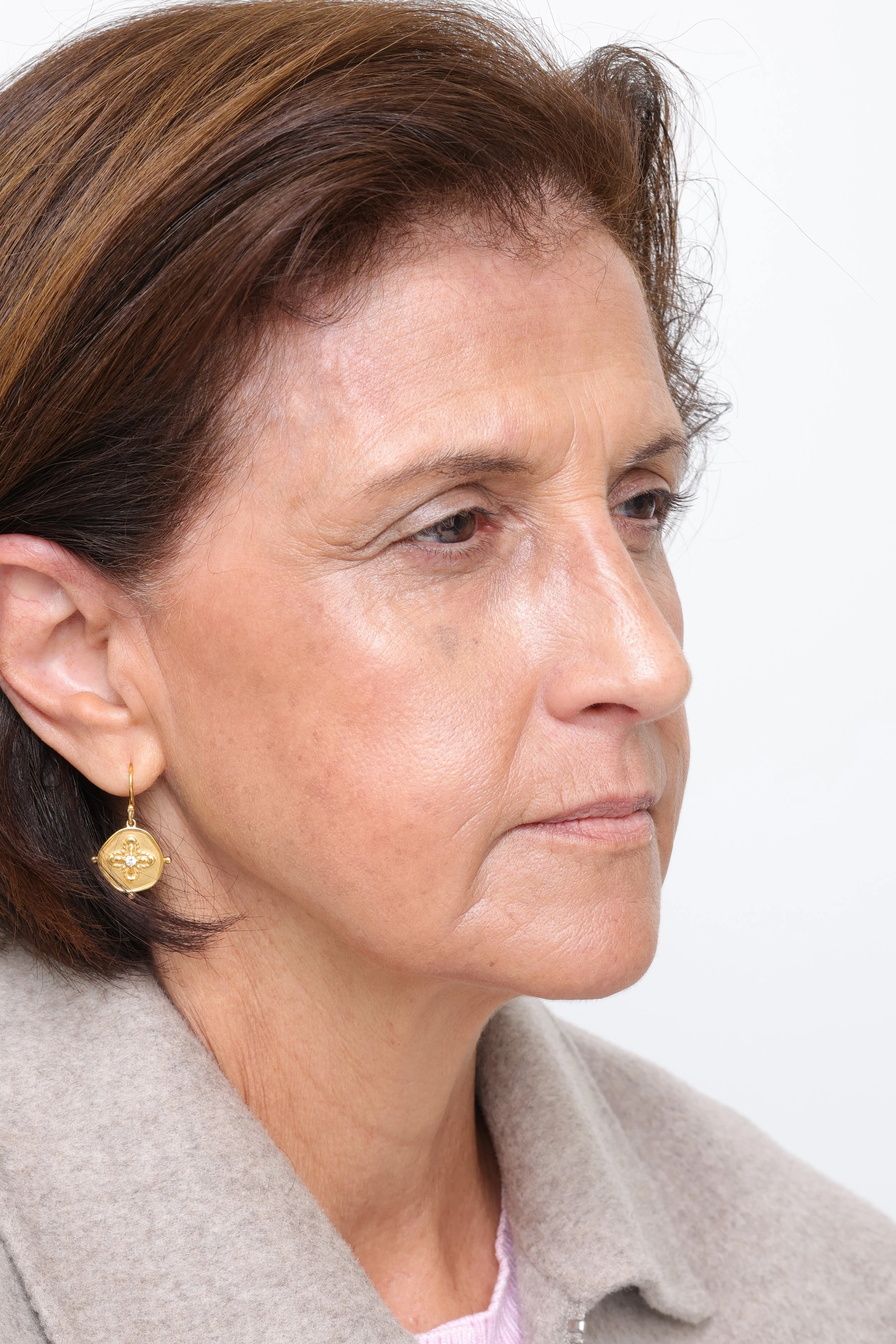
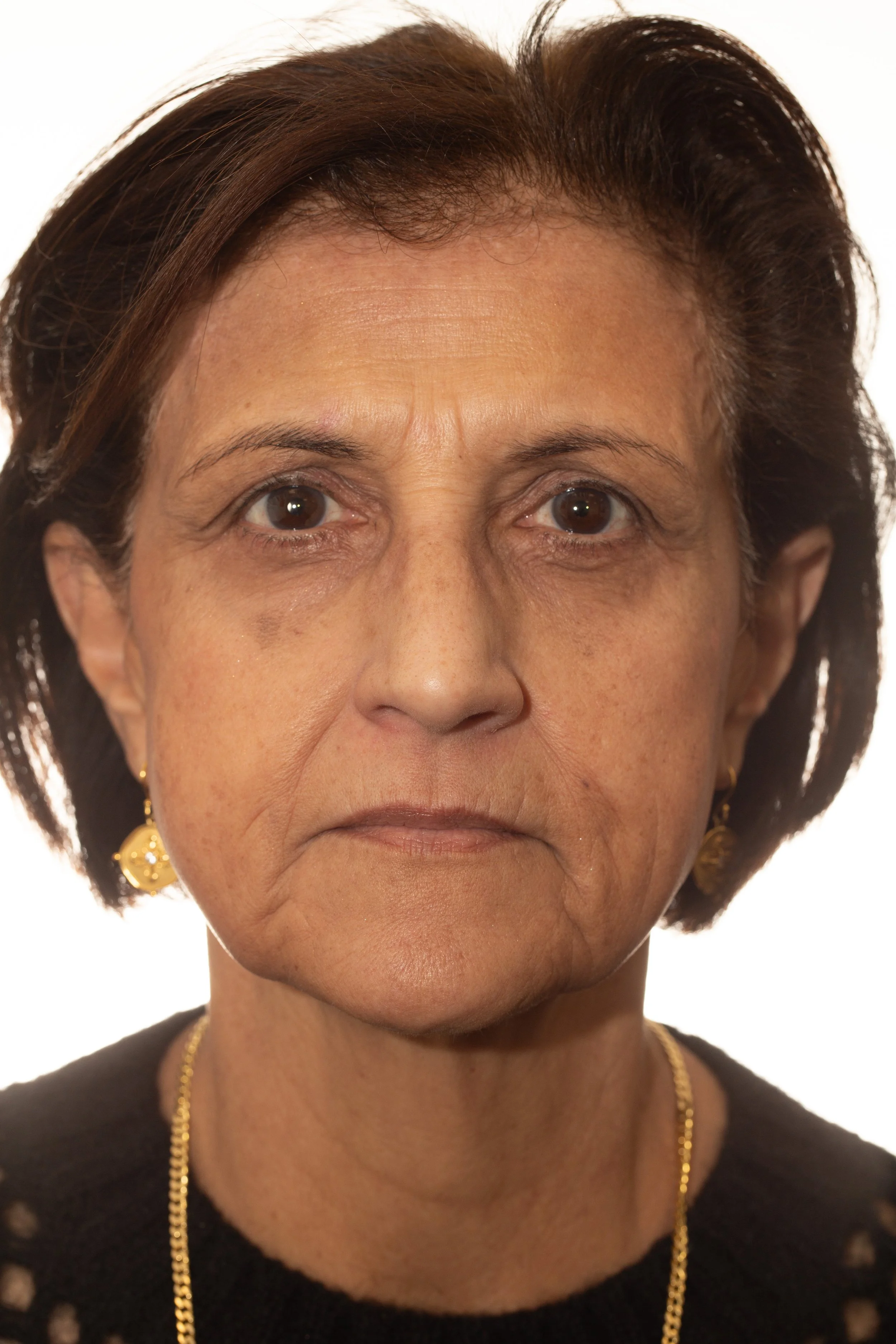
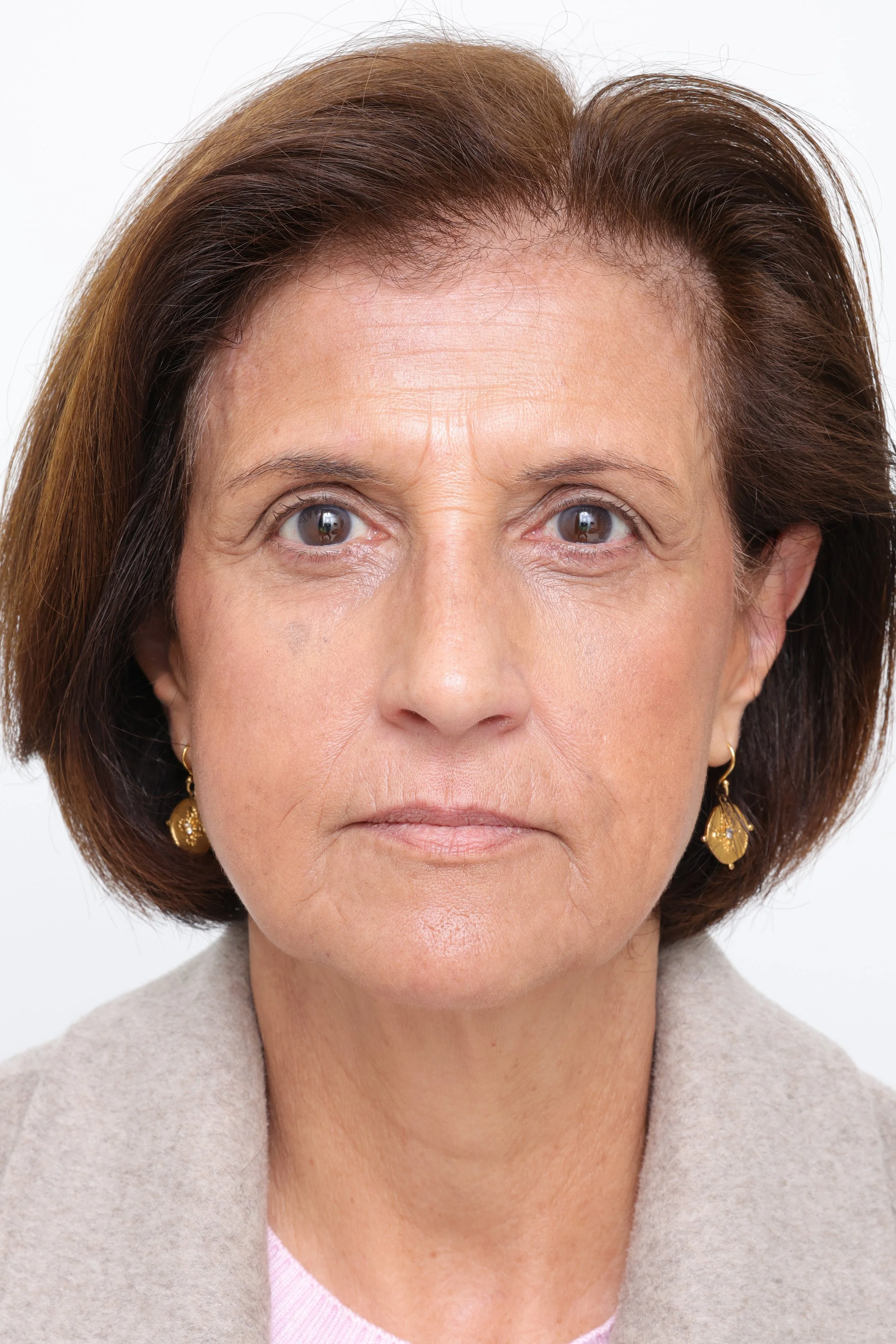
Dorsal hump, previous nasal injuries and obstruction
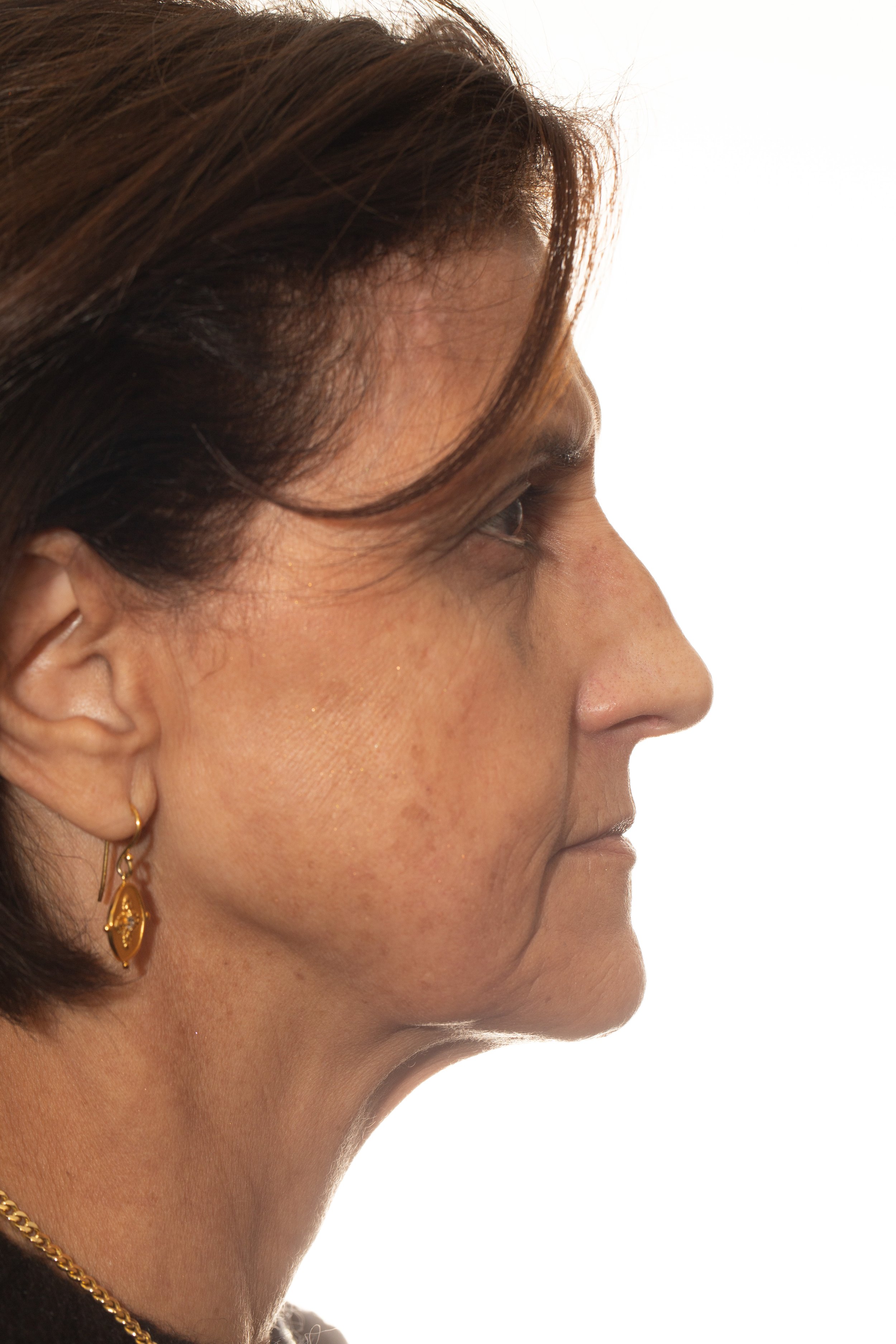
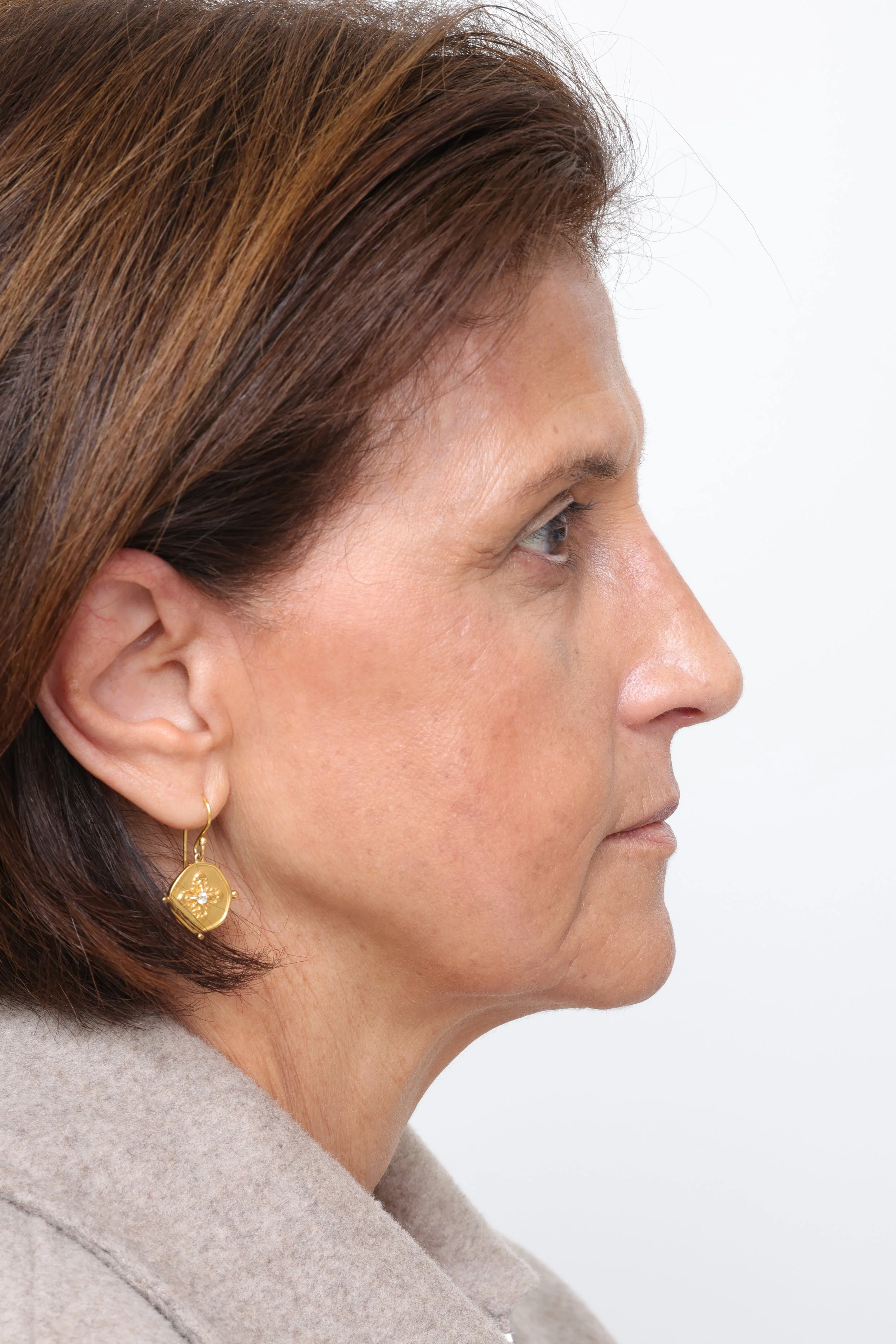
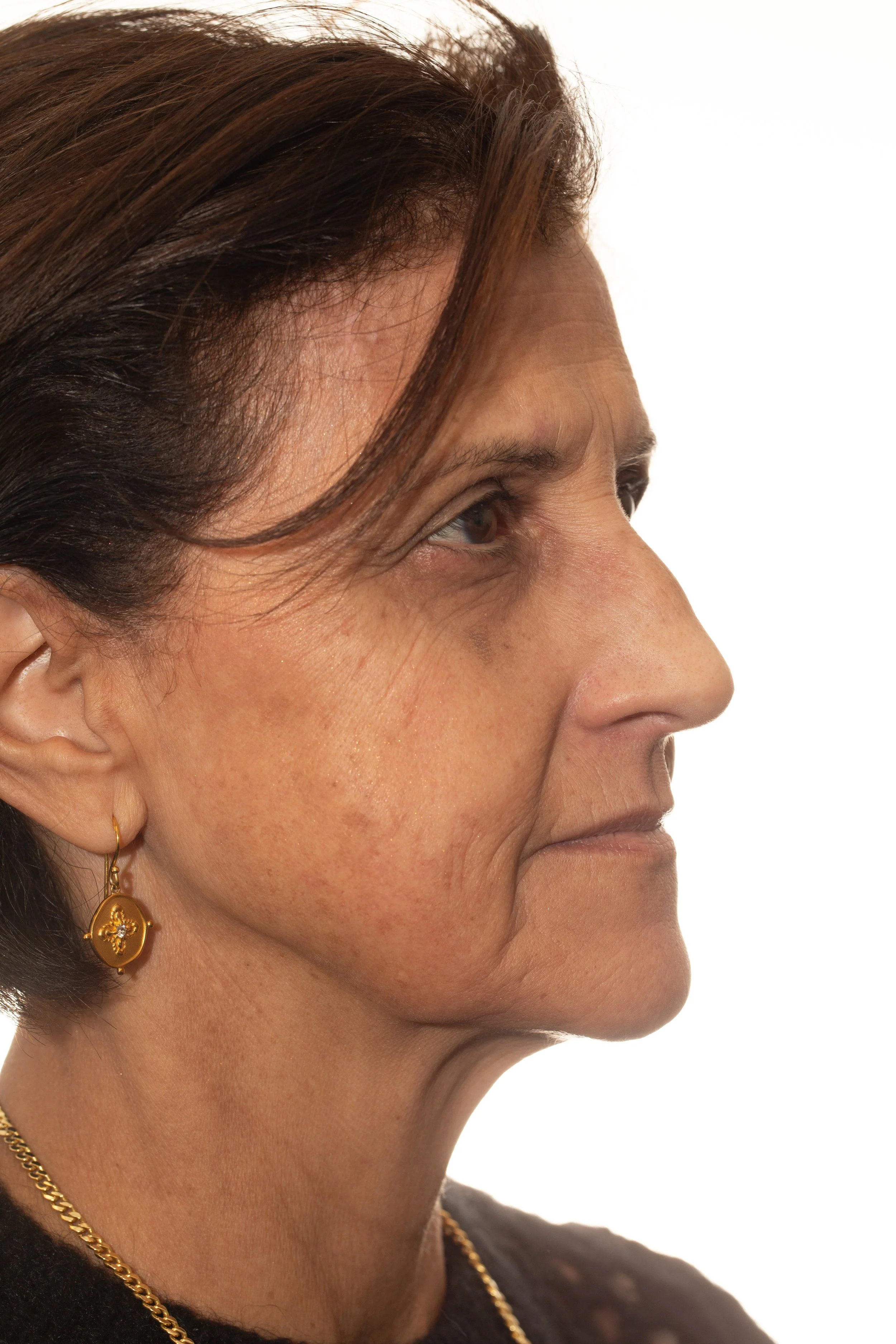
This patient had a history of nasal injuries and had noticed a prominence along the bridge of her nose. She was particularly concerned that the area just above the tip appeared indented. She also had long-standing obstruction on both sides.
Examination and CT imaging showed a moderate dorsal hump, evidence of previous nasal fractures and a deviated septum with a spur towards the right.
A closed rhinoplasty approach addressed the septal deviation and enlarged turbinates, as well as the nasal profile. The hump was reduced and the nasal bones were reshaped.
Because of her connective tissue conditions, the surgical plan was discussed with particular care. The possible effects of hump reduction on the appearance of the bridge were also considered.
Before surgery
12 months after surgery
Before surgery
12 months after surgery
Before surgery
12 months after surgery
What causes a dorsal hump?
The bridge of the nose is formed by both bone and cartilage. The upper part is supported by the paired nasal bones, while the lower part of the bridge includes the septum and upper lateral cartilages.
A dorsal hump can therefore be predominantly bony, predominantly cartilaginous, or a combination of the two. Its appearance is also influenced by the height of the radix at the top of the nose, as well as the projection and position of the nasal tip.
This is important when planning rhinoplasty because two people with apparently similar dorsal humps may require quite different approaches. In some patients the main issue is the height of the bridge, while in others the apparent prominence of the hump is influenced by the position of the nasal tip or the proportions of the surrounding face.
Removing a dorsal hump is only part of the operation
Reducing a dorsal hump changes the relationship between several parts of the nasal framework. The bridge, nasal tip and middle part of the nose need to be considered together rather than treating the hump in isolation.
When a hump is reduced, the width and shape of the bridge may need to be adjusted. The upper lateral cartilages and their relationship with the septum also need to be considered because these structures contribute to both the shape of the middle third of the nose and the internal nasal valve.
In some patients, additional structural support may be appropriate. For example, spreader grafts can be used to support or reconstruct the middle part of the nasal framework. This can be particularly relevant when dorsal reduction is combined with treatment of septal deviation or nasal obstruction.
The nasal tip is also important. A prominent dorsal hump may coexist with an over-projected or drooping tip, while in other patients the tip is already appropriately positioned. Reducing the bridge without considering tip position can therefore change the overall balance of the nasal profile.
For these reasons, I plan dorsal hump rhinoplasty by considering the bridge, tip, septum, nasal airway and surrounding facial proportions together.
Ultrasonic rhinoplasty and the piezotome
When the bony part of a dorsal hump needs to be altered, I may use a piezotome. This is an ultrasonic instrument designed to cut and reshape bone.
The piezotome can be used for precise reshaping of the nasal bones and for osteotomies — controlled cuts in the nasal bones that may be required to reposition or narrow the bony framework.
I use it as one of several surgical tools rather than as a separate type of rhinoplasty. The choice of technique depends on the anatomy of the nose and the changes being planned. Cartilage still needs to be addressed separately when it contributes to the dorsal hump or when reconstruction of the nasal framework is required.
Reduction or preservation rhinoplasty?
There is more than one way to alter a dorsal hump.
In structural rhinoplasty, components of the dorsal framework can be reduced and then reconstructed where necessary to create the desired bridge while maintaining support.
Preservation rhinoplasty uses a different principle. In selected noses, parts of the natural dorsal framework can be preserved while the position or height of the bridge is changed.
Neither approach is appropriate for every nose. The choice depends on factors including the shape and size of the hump, the nasal bones and cartilage, septal anatomy, previous surgery, nasal deviation and the changes the patient would like to achieve.
I use preservation techniques where they are appropriate, but I do not regard preservation and structural rhinoplasty as competing philosophies. They are different techniques that can be selected according to the individual anatomy and objectives of the operation.
How much should a dorsal hump be reduced?
A completely straight or low nasal bridge is not necessarily the appropriate objective for every person.
The nose sits at the centre of the face, and I regard it as a central fulcrum of facial appearance. The bridge therefore needs to be considered in relation to the forehead, nasal tip, lips and chin rather than assessed in isolation.
For some people, a straighter profile may be appropriate. For others, retaining some dorsal height or a subtle degree of convexity may better suit their facial features. The patient's existing characteristics, sex, ethnicity and individual preferences are all relevant to that discussion.
The objective is not to reproduce a particular nose or profile, but to determine what changes are appropriate for the individual face while also considering nasal function and long-term structural support.
Thinking beyond the profile
I think about rhinoplasty in five dimensions.
The first three are the familiar dimensions of height, width and projection. Reducing a dorsal hump changes these relationships and may also change the apparent position and proportion of the nasal tip.
The fourth dimension is tissue mechanics. Cartilage, ligaments, skin and soft tissues have their own tension and elasticity. Altering the nasal framework changes the forces acting through these structures.
The fifth dimension is time. Healing, scar maturation and tissue remodelling continue for many months after rhinoplasty. The nasal framework therefore needs to be planned not only for its appearance during surgery, but also for how it is likely to respond to healing over time.
This is one reason I consider structural support and long-term stability when planning dorsal hump reduction rather than assessing the profile in isolation.
Frequently asked questions about dorsal hump rhinoplasty
Can dorsal hump rhinoplasty affect breathing?
The structures that determine the external shape of the nose are closely related to those involved in nasal breathing.
The upper lateral cartilages and septum contribute to the internal nasal valve, an important part of the nasal airway. Some people considering dorsal hump rhinoplasty also have septal deviation, narrowing of the nasal valves or other causes of nasal obstruction.
For this reason, I assess nasal breathing as part of rhinoplasty planning even when the principal reason for seeking surgery is cosmetic. Where functional problems are present, these may sometimes be addressed during the same operation.
Not every breathing problem requires rhinoplasty, however. The cause of nasal obstruction needs to be identified before deciding what treatment is appropriate.
Can a dorsal hump be removed without changing the rest of the nose?
Sometimes the required changes can be relatively limited, but reducing a dorsal hump inevitably changes the proportions of the nasal profile. The width of the bridge, position of the tip and structural support of the middle part of the nose may therefore need to be considered even when the hump is the patient's main concern.
This does not mean that every part of the nose needs to be significantly changed. One of the objectives of planning is to determine what should be changed and, equally importantly, what should be left alone.
Is a dorsal hump made of bone or cartilage?
It can be either or both. The upper part of the nasal bridge is predominantly bone, while the lower part includes cartilage. Many dorsal humps extend across both regions.
Determining which structures contribute to the hump helps determine how the bridge can be reshaped.
Does the nose have to be broken to remove a dorsal hump?
Not necessarily. The surgical steps depend on the anatomy of the hump and the changes required.
In some operations, controlled cuts called osteotomies are made in the nasal bones so that their position or width can be altered. When osteotomies are required, I may perform them using an ultrasonic piezotome.
What is ultrasonic or piezo rhinoplasty?
Piezoelectric instruments use ultrasonic energy to cut or reshape bone. In rhinoplasty, a piezotome can be used for selected aspects of reshaping the nasal bones and performing osteotomies.
It is a surgical instrument rather than a separate objective or style of rhinoplasty. The cartilage, septum, nasal tip and airway still need to be considered according to the individual operation.
Can a dorsal hump be treated with closed rhinoplasty?
Some dorsal humps can be treated using a closed rhinoplasty approach, in which the surgical incisions are made within the nostrils. Other operations are better suited to an open approach, particularly when more extensive reconstruction or tip work is required.
I use both approaches. The choice depends on the anatomy and the changes required rather than a preference for one approach in every patient.
Will dorsal hump rhinoplasty change my nasal tip?
It may. The bridge and tip form a continuous profile, so changing the height of the bridge can alter how prominent or projected the tip appears.
Some patients also require deliberate changes to tip projection, rotation or support, while in others the tip is best left largely unchanged. These decisions are made as part of overall profile and facial assessment.
Can a dorsal hump come back after rhinoplasty?
The nasal bridge continues to change during healing, and swelling and tissue remodelling can affect its appearance for many months. Small contour irregularities can also become apparent as swelling resolves.
Longer-term changes depend on several factors, including the original anatomy, surgical technique, structural support, healing and tissue characteristics. Rhinoplasty cannot guarantee that the appearance of the nose will remain completely unchanged over a lifetime.
How long does swelling last after dorsal hump rhinoplasty?
Much of the obvious swelling improves during the early weeks after surgery, but the nose continues to change more gradually over subsequent months. Tip swelling often persists longer than swelling over the bridge, particularly in people with thicker skin.
The time required for swelling and tissue remodelling varies between patients, which is why early postoperative photographs should not be regarded as the final result.
Risks and limitations
Rhinoplasty is a complex operation and results cannot be guaranteed. Potential problems include bleeding, infection, persistent swelling, scarring, altered sensation, asymmetry, contour irregularities, nasal obstruction and dissatisfaction with appearance. Further surgery is sometimes required.
The particular risks depend on the anatomy of the nose and the extent of surgery being considered. These are discussed during consultation before deciding whether surgery is appropriate.
Considering rhinoplasty for a dorsal hump?
Assessment involves looking at the dorsal hump as part of the nose and face as a whole. I assess the nasal bones and cartilage, tip position, septum, nasal airway, skin and soft tissues, as well as the changes you would like to achieve.
Photographs are used to assess facial and nasal proportions. Computer imaging may also be used during consultation to help discuss possible changes, but these images are a communication and planning tool rather than a prediction or guarantee of the surgical result.
Consultations are available at Hawthorn East, Melbourne.
Quisque iaculis facilisis lacinia. Mauris euismod pellentesque tellus sit amet mollis.