Rhinoplasty in Melbourne
Cosmetic · Functional · Reconstructive Rhinoplasty
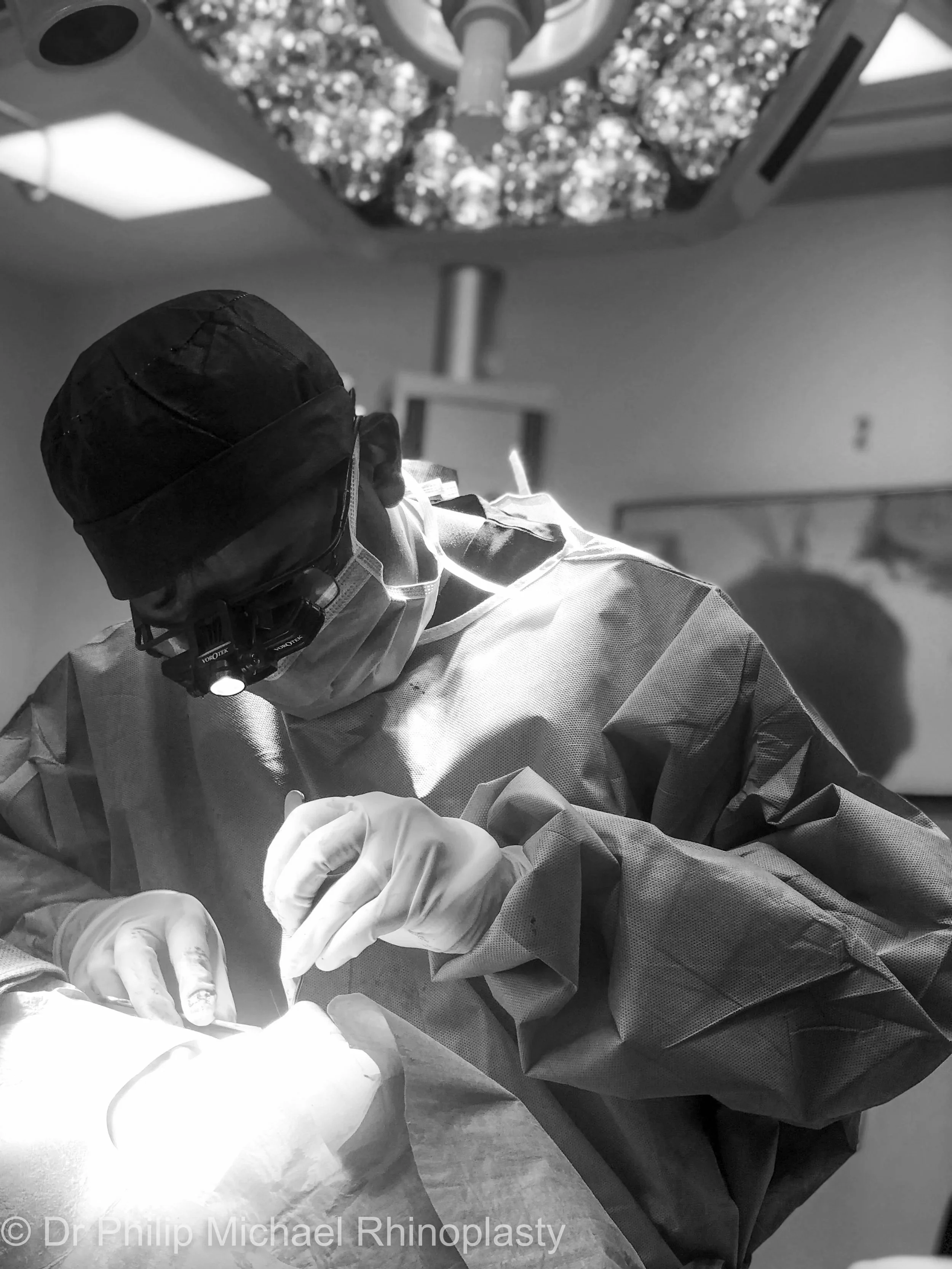
Rhinoplasty is both aesthetic and functional surgery. Changes to the appearance of the nose also alter its underlying structural framework, while changes intended to improve breathing can influence its external shape.
My approach to rhinoplasty draws on my experience in both rhinology and facial plastic surgery. I consider the appearance of the nose and its relationship with the rest of the face together with the nasal airway, septum, nasal valves and structural support.
The objective is not to create a particular type of nose, but to determine what changes are appropriate for the individual face while preserving, and where necessary improving, nasal function and structural stability.
Function · Structure · Facial harmony · Longevity
Rhinoplasty experience and training
Dr Philip Michael is an ENT specialist with qualifications from the Royal College of Surgeons of Edinburgh and the Royal Australasian College of Surgeons (FRCSEd (ORL-HNS), FRACS (ORL-HNS)). Following specialist training in otolaryngology, he undertook further training in rhinology and rhinoplasty in Australia and Europe, including a rhinology fellowship at the Royal Victorian Eye and Ear Hospital and travelling fellowships in Germany and Switzerland.
His practice has a particular focus on rhinology and facial plastic surgery, including cosmetic, functional, revision and reconstructive rhinoplasty and the management of nasal obstruction.
On this page
My approach to rhinoplasty
There are five principles that I discuss with patients when considering rhinoplasty.
1. Minimise the possibility of making things worse
Every alteration to the nose has consequences. Removing or repositioning cartilage can affect structural support, while narrowing parts of the nose may affect airflow. My first consideration is therefore what should be preserved.
2. Improve what can reasonably be improved
The next consideration is what can realistically be changed and whether this is likely to produce a worthwhile improvement. Understanding the limitations of rhinoplasty is as important as understanding what surgery can achieve.
The following three considerations are equally important.
3. Function
The nose is primarily a functional organ. The nasal airway, septum, turbinates, nasal valves and structural support therefore need to be considered alongside its external appearance.
4. Facial harmony
There is no single ideal nose. The nose needs to be considered in relation to the forehead, eyes, cheeks, lips and chin.
I think of the nose as the central fulcrum of the face. Ideally, it should direct attention towards the other facial features rather than detract from them. The aim is not necessarily to create a conspicuously different nose, but one that sits naturally within the face.
5. Longevity
Rhinoplasty changes a living structure that continues to heal and age. Cartilage, scar tissue and the forces acting on the nasal framework can influence its shape over time.
I therefore place importance on preserving, and where appropriate reconstructing, structural support so that function and appearance are considered not only in the early postoperative period, but as the nose continues to heal and mature.
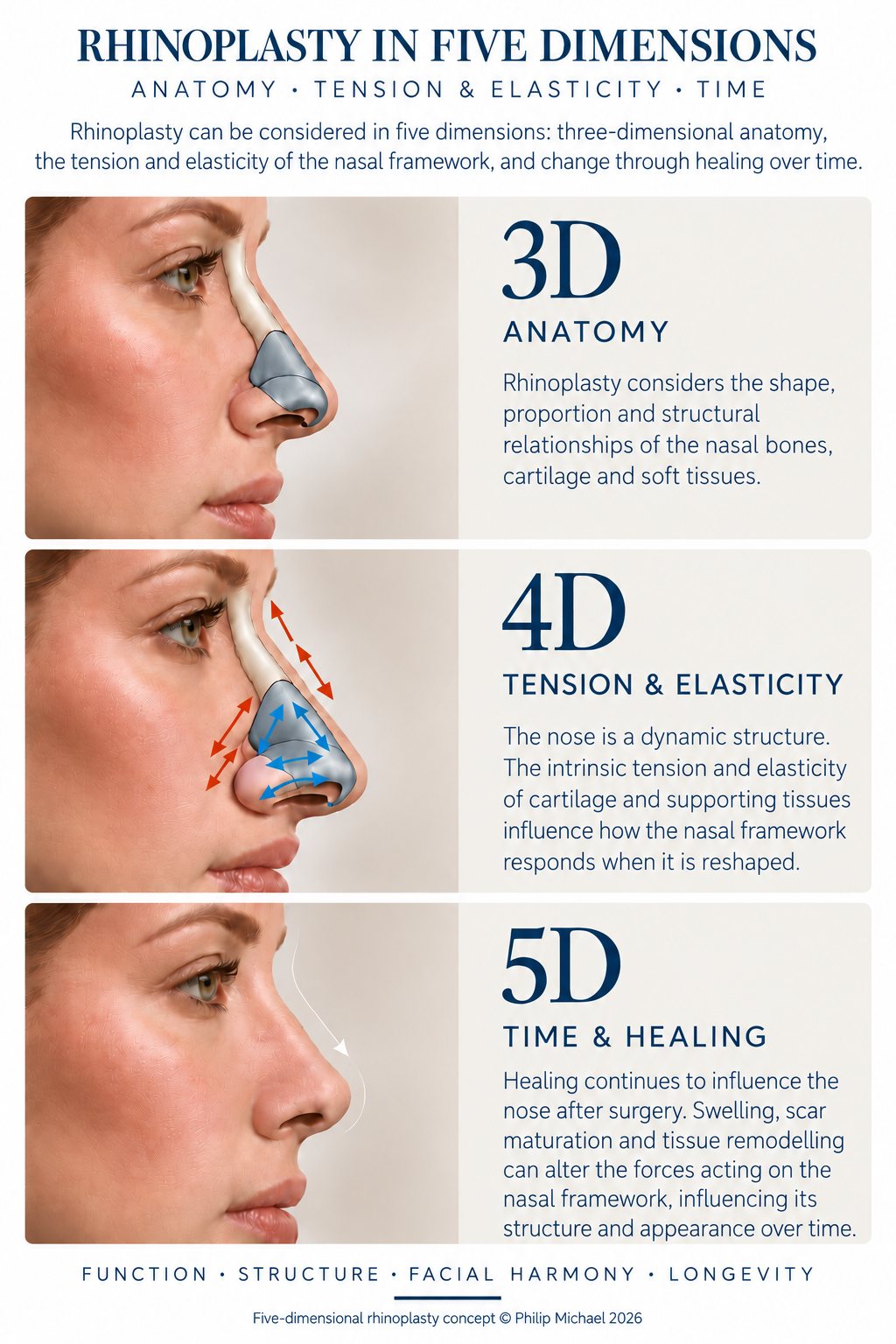
Rhinoplasty involves more than changing three-dimensional shape. The tension and elasticity of cartilage and supporting tissues influence how the nasal framework behaves, while healing and changes over time can further influence both structure and appearance.
Cosmetic Rhinoplasty
Cosmetic rhinoplasty aims to change the appearance of the nose while considering its relationship with the face as a whole. Concerns may include the profile or bridge, nasal width, projection or rotation, tip shape and definition, asymmetry, or the overall proportion of the nose to the face.
There is no single ideal nasal shape. My preference is for changes that maintain the individual character of the face rather than creating a particular style of nose, with the aim of achieving an appearance that sits naturally with the surrounding facial features.
Depending upon the anatomy and the changes being considered, surgery may involve reshaping, repositioning, preserving or supporting different components of the nasal framework.
Some patients may be suitable for a closed approach, while in others an open approach provides better access. The approach and techniques used are determined by the individual anatomy and objectives of surgery rather than applying one technique to every patient.
Structural and Preservation Rhinoplasty
Structural and preservation rhinoplasty describe principles and techniques that can be used when reshaping the nose. I do not regard them as mutually exclusive approaches; elements of both may be appropriate depending upon the individual anatomy and objectives of surgery.
Preservation rhinoplasty
Preservation techniques aim, where appropriate, to retain existing structures rather than routinely removing and reconstructing them. This can include preserving components of the nasal bridge and minimising disruption of supporting tissues.
Preservation techniques are not suitable for every nose.
Structural rhinoplasty
Structural techniques use repositioning, suturing and, where required, cartilage grafting to reshape or support the nasal framework. Additional support can be particularly important when correcting significant deviation, changing tip position or support, treating nasal valve problems, or reconstructing a previously operated nose.
The objective is to preserve useful anatomy where possible and provide additional support where it is required.
Ultrasonic (Piezo) Rhinoplasty
Ultrasonic, or piezoelectric, instruments can be used during some rhinoplasty procedures to reshape or divide the nasal bones. They use ultrasonic vibration to act on mineralised tissue, allowing controlled treatment of bone while limiting the effect of the instrument on surrounding soft tissues.
Ultrasonic instrumentation is a surgical tool rather than a separate type of rhinoplasty. Other techniques are still required when surgery involves cartilage, the nasal tip, airway support or reconstruction.
Functional Rhinoplasty
Functional rhinoplasty considers the relationship between the structure of the nose and the nasal airway.
Nasal obstruction does not always arise from the septum alone. The external framework of the nose, the internal and external nasal valves, nasal sidewalls, septum and turbinates can all influence airflow. Assessment therefore needs to consider the nose as a three-dimensional functional structure rather than focusing on a single component.
The nasal septum
A deviated nasal septum can narrow one or both nasal passages. In some patients, septoplasty alone may be sufficient to address the relevant obstruction.
When septal deviation is associated with distortion of the external nasal framework, however, correcting the septum alone may not address the entire problem. Functional septorhinoplasty may then be considered to address the septum and external nasal structure together.
The nasal valves
The nasal valves are narrow regions of the nasal airway and make an important contribution to resistance to airflow.
Narrowing or weakness in these areas can contribute to nasal obstruction. In some patients, the sidewall of the nose may also move inward during inspiration.
Treatment depends upon the underlying anatomy and may involve repositioning or supporting components of the existing nasal framework.
The turbinates
The turbinates are structures within the nose that contribute to warming, humidifying and filtering inspired air. Enlargement of the turbinates can contribute to nasal obstruction independently of the septum or external nasal framework.
Where appropriate, treatment of the turbinates may therefore be considered as part of the overall management of the nasal airway and can sometimes be undertaken at the same time as rhinoplasty.
Function and appearance together
Functional and cosmetic rhinoplasty are not necessarily separate operations.
Changing the external framework of the nose may influence the airway, while changes undertaken to improve nasal function can affect external shape. For this reason, I prefer to consider nasal function, structure and appearance together when planning rhinoplasty.
Revision and Reconstructive Rhinoplasty
Revision rhinoplasty presents different challenges from surgery on a nose that has not previously been operated upon. Previous surgery may have removed or repositioned cartilage, altered structural support and created scar tissue, so the anatomy can be substantially different from the original nose.
Assessment considers the patient's cosmetic and functional concerns, the remaining structural support, the condition of the skin and soft tissues, and whether further surgery is likely to produce a worthwhile improvement.
In some cases, revision rhinoplasty is primarily a process of reconstruction rather than further reduction. Cartilage grafting may be required to restore support or reshape the nasal framework. Septal cartilage can be used when sufficient material remains; following previous surgery, cartilage from the ear or rib may occasionally be required.
Further surgery is not necessarily appropriate for every patient. The potential benefits need to be considered alongside the limitations and risks of another operation.
Selected Rhinoplasty Cases
These cases illustrate different anatomical problems, surgical considerations and approaches to rhinoplasty. Each operation is planned according to the individual's anatomy, function and facial features.
Individual anatomy, surgical requirements, healing and outcomes vary. The cases shown are not intended to represent a typical or expected result, and the outcome for one patient does not predict the outcome of surgery for another person.
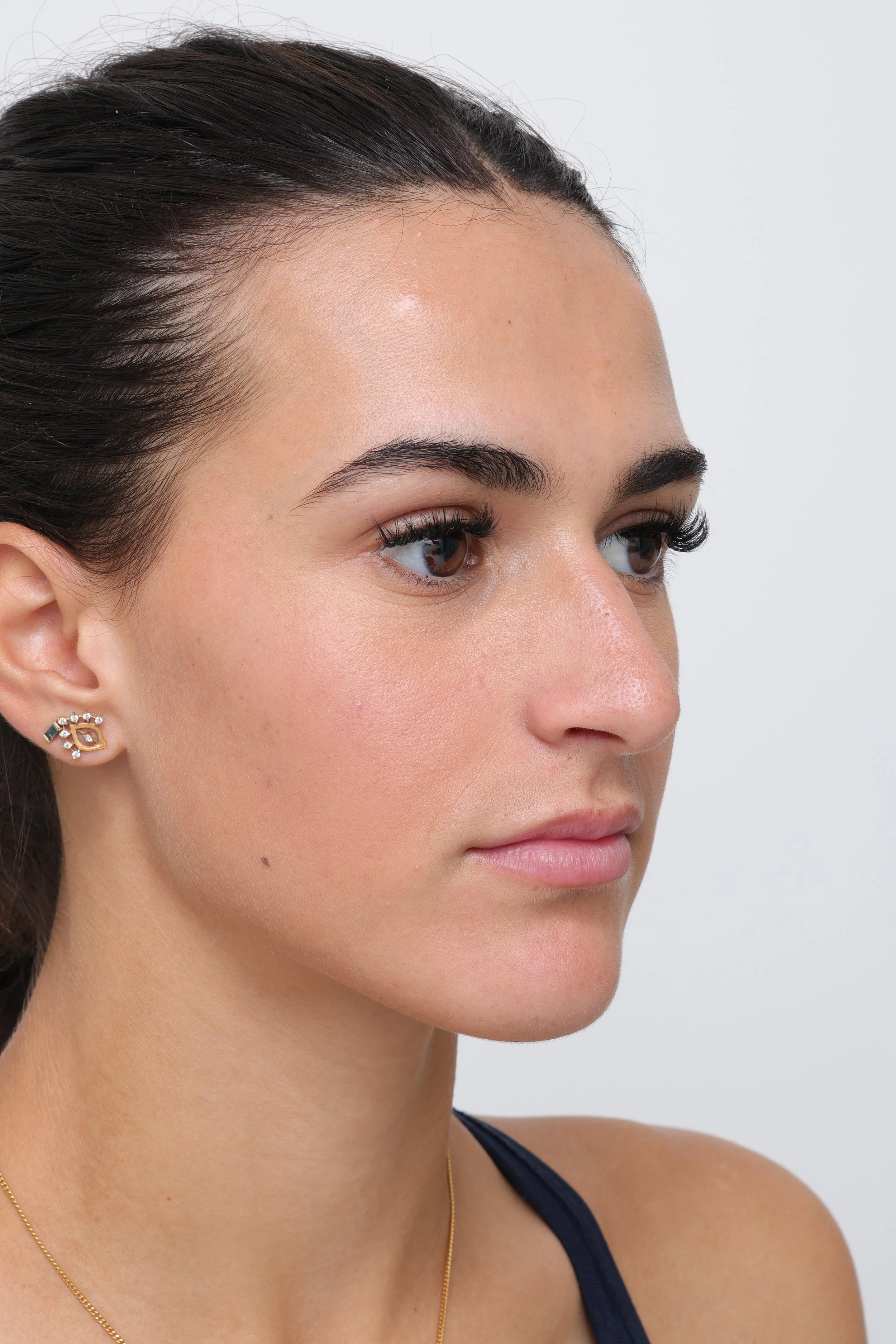
Before
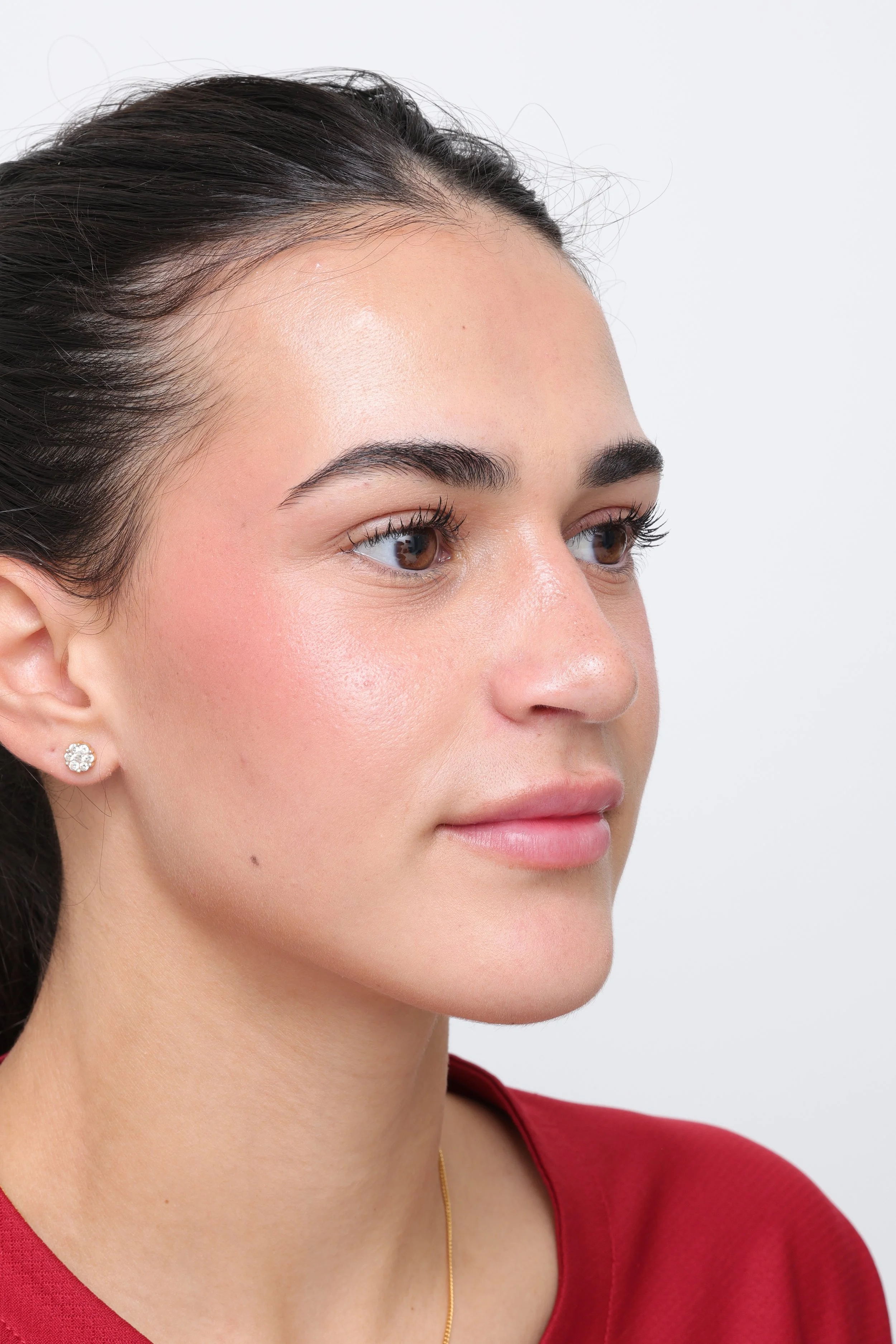
3 months after
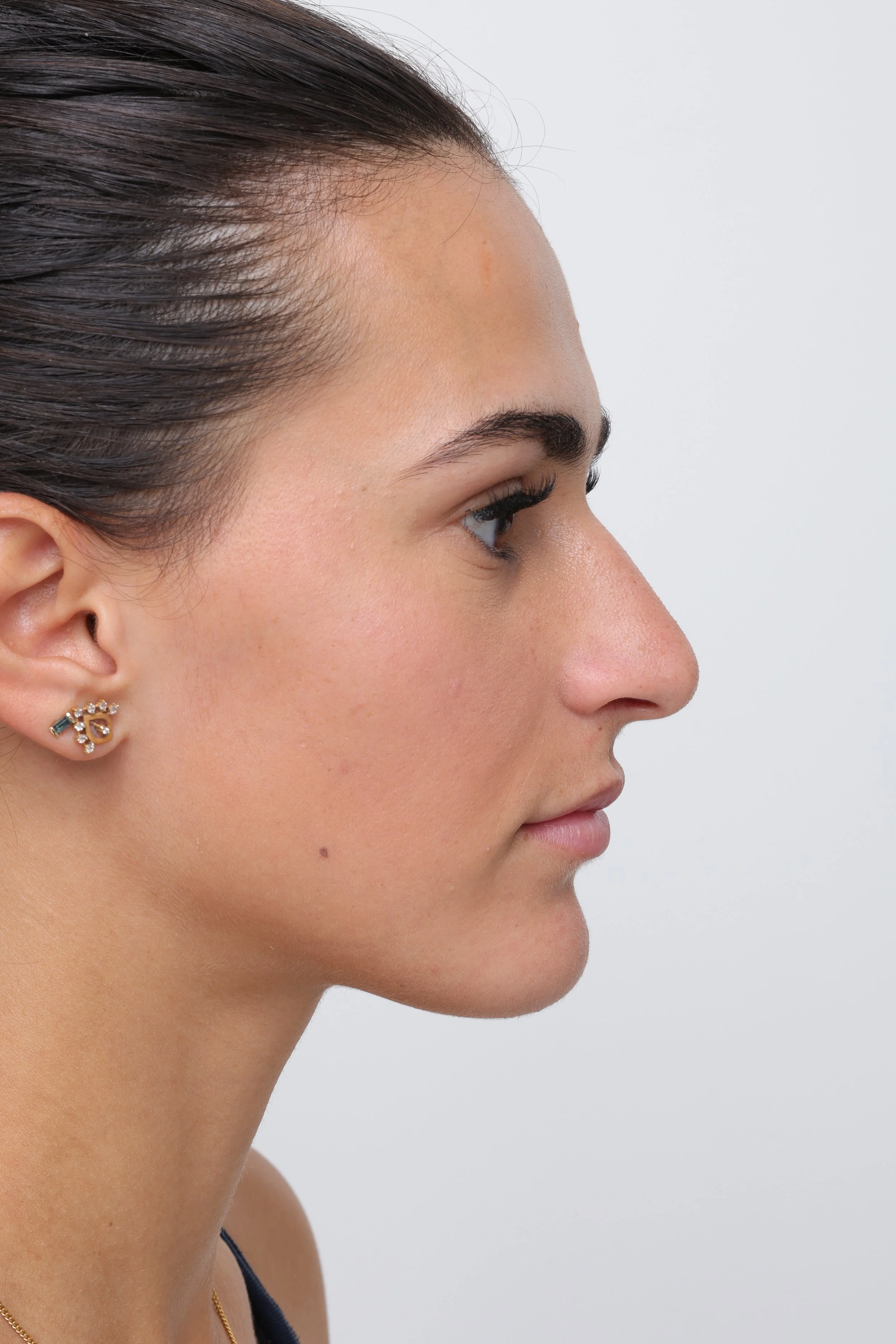
Before
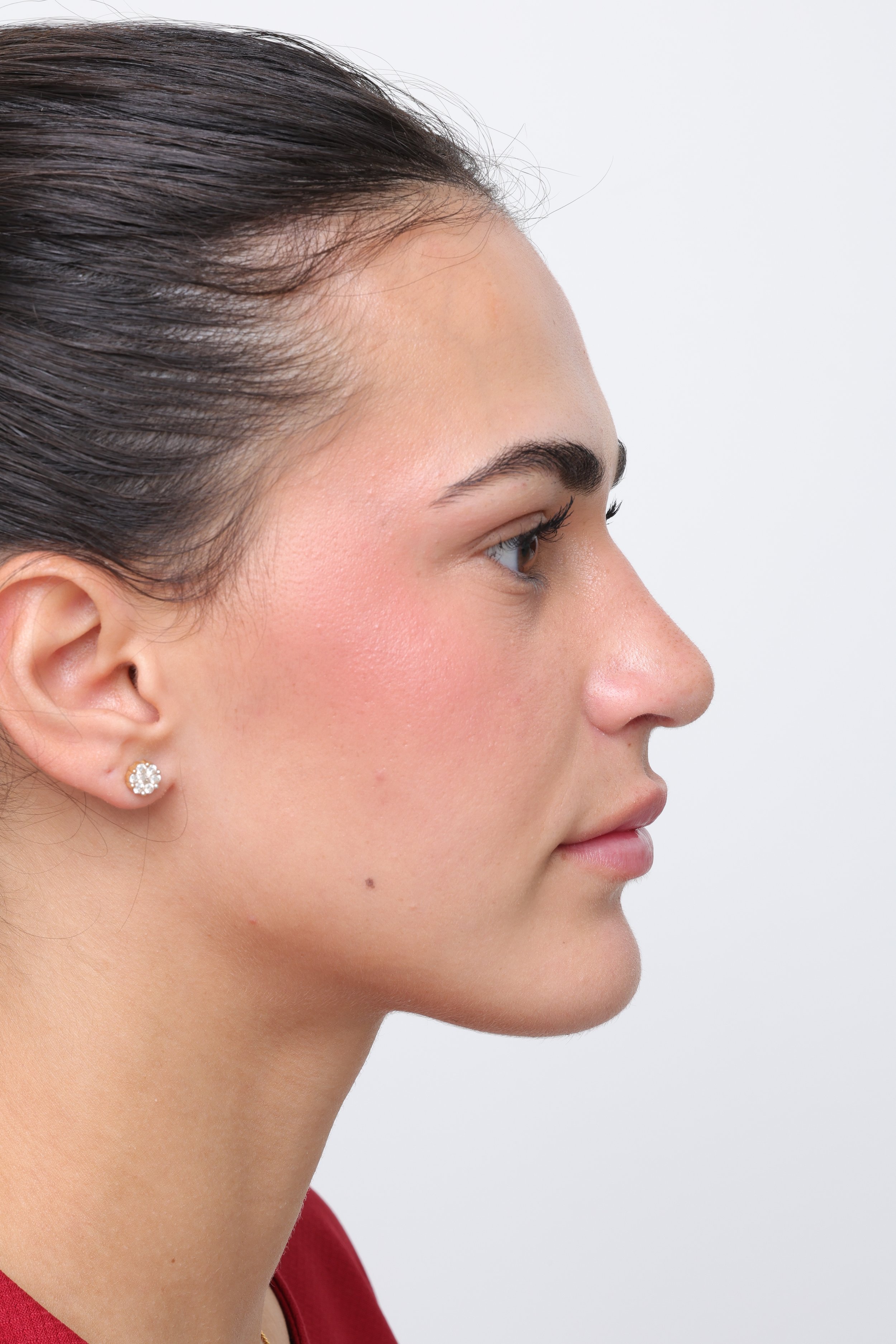
3 months after
Case 1 — Subtle profile change with functional reconstruction
Presentation
This patient had difficulty breathing through the nose because the outer wall of the nostril tended to collapse inwards when breathing in. There were also concerns about fullness of the nasal bridge, the nose projecting slightly too far from the face, and a nasal tip that pointed slightly downwards.
An important objective was to make subtle changes to the appearance of the nose while maintaining its function and addressing the areas contributing to nasal obstruction.
Assessment
Examination showed that part of the outer nasal wall collapsed during inspiration (dynamic alar collapse). The lower end of the nasal septum was also displaced away from the midline.
The turbinates — structures inside the nose that help warm and humidify inhaled air — were moderately enlarged in association with allergic rhinitis. There was also asymmetry between the cartilages supporting the two sides of the nasal tip and nostrils.
Surgical approach
The operation was planned to address the structure and function of the nose together.
The lower part of the septum was repositioned towards the midline. The patient's own cartilage was used to provide additional support to the nasal tip and outer walls of the nostrils, while the tip cartilages were reshaped to address their pre-existing asymmetry.
The fullness of the nasal bridge was reduced using an ultrasonic (piezoelectric) instrument to carefully sculpt the nasal bones. In this case it was not necessary to make cuts through the nasal bones to reposition them.
Three-month follow-up
These photographs were taken three months after surgery. The intended aesthetic change was deliberately subtle, particularly in the profile and tip.
Three months remains relatively early in the healing process after rhinoplasty. Some swelling is still present and the appearance and definition of the nose can continue to change as healing progresses over subsequent months.
Individual anatomy, surgical requirements, healing and outcomes vary. The result shown for this patient does not predict the outcome of surgery for another person.
What is the cost of rhinoplasty in Melbourne?
The cost of rhinoplasty varies according to the type and complexity of the procedure.
Dr Michael's professional surgical fee is generally between $6,500 and $15,000. A more accurate estimate is provided after consultation, when the changes being considered and likely extent of surgery have been assessed.
Additional costs usually include anaesthesia and the hospital or surgical facility. These vary according to the duration of surgery and where the procedure is undertaken. A detailed estimate of expected costs is provided before proceeding with surgery.
For eligible functional or reconstructive surgery, Medicare and private health insurance may contribute towards some components of treatment, although out-of-pocket expenses may remain. Purely cosmetic rhinoplasty does not attract a Medicare rebate, and GST may apply to procedures undertaken for cosmetic purposes.
What happens before rhinoplasty surgery?
The first consultation begins with a discussion of the reasons you are considering rhinoplasty, including concerns about appearance, nasal breathing, previous injuries or surgery, and what you would like to change.
Examination considers both the external structure of the nose and the nasal airway. Nasal endoscopy may be performed where appropriate, and standardised photographs are taken from a number of different views. Additional investigations, including imaging, may sometimes be helpful, particularly following previous trauma or surgery or where there are other nasal or sinus problems.
An important part of consultation is determining what changes may reasonably be achievable and discussing the limitations, recovery and potential risks of surgery. Computer-generated modifications of photographs may sometimes assist this discussion, but are used as a communication and planning tool rather than a prediction or guarantee of the surgical result.
For most patients, there is a further consultation before deciding whether to proceed. This provides time to consider the proposed surgery and ask further questions. If surgery is planned, the procedure, consent, recovery, risks and costs are reviewed, together with instructions for preparing for the operation.
What does rhinoplasty surgery involve?
Rhinoplasty is usually performed under general anaesthesia. Surgery may be undertaken through incisions entirely within the nose (a closed approach) or through an open approach, which includes a small incision across the skin between the nostrils.
The nose is made up of interconnected bony, cartilaginous and soft-tissue structures, and surgery may involve a combination of techniques to reshape, reposition, preserve or support different parts of the nasal framework.
Depending upon the individual anatomy, this may include treatment of the nasal bones, bridge or tip, correction of asymmetry or deviation, modification or support of cartilage, and, where nasal obstruction is being addressed, treatment of the nasal airway.
This can include correction or reconstruction of the nasal septum, treatment of the nasal valves or reduction of enlarged turbinates. Cartilage grafts may also be required to reshape or support the nasal framework.
The components of the operation vary between individuals. The proposed approach and procedures appropriate for your nose are discussed during consultation before deciding whether to proceed.
What happens after a rhinoplasty operation?
Tapes and an external splint are usually placed over the bridge of the nose after surgery. Internal nasal splints may also be used, depending upon the procedures performed. Nasal packing is not routinely required but may occasionally be necessary.
Most patients are able to go home on the day of surgery. Some discomfort, nasal congestion and a small amount of bleeding or blood-stained discharge can be expected during the early recovery period.
The first few weeks
Swelling is expected and is usually most noticeable during the first few weeks. Bruising around the eyes can also occur, particularly if the nasal bones have been repositioned. Nasal blockage from internal swelling may persist for several weeks.
Temporary altered or reduced sensation, particularly around the nasal tip but also involving the upper teeth, can occur and may take several months to improve.
Most patients plan approximately two weeks away from work, although this varies according to the extent of surgery, type of work and individual recovery.
Follow-up
An early postoperative appointment is arranged to assess healing and remove external sutures or splints when appropriate. Instructions are provided regarding nasal saline irrigation, wound and skin care and medication.
How long does a rhinoplasty take to heal?
Removing the external splint does not represent the final result of rhinoplasty. Swelling continues to change over the following months, and different parts of the nose can settle at different rates. The nasal tip commonly takes longer to soften and settle than the bridge.
Although much of the early swelling resolves during the first few months, more subtle changes can continue for a year or longer. Healing may take longer following revision or reconstructive surgery and in noses with thicker skin.
I prefer to regard rhinoplasty as a process of healing and maturation rather than attaching a precise percentage of the final result to a particular point in time.
Activity after surgery
The nasal framework needs time to heal and regain strength. Strenuous exercise is restricted during the early healing period, and activities in which the nose could be struck require particular caution. Individual advice is provided about returning to exercise and other activities.
Sun protection is also advisable for at least the first 12 months while the nose is healing, particularly where there has been bruising or an external incision.
Are there any risks to having a rhinoplasty?
All surgery involves risks, and rhinoplasty is no exception. The likelihood and significance of individual risks vary according to the anatomy of the nose, the procedures being performed, previous surgery, general health and the way in which an individual heals.
Possible risks and complications include:
Bleeding
Some bleeding or blood-stained discharge is expected during the early postoperative period. More significant bleeding can occasionally occur and may require additional treatment, including nasal packing or, rarely, a further procedure.
Infection
Infection can occur following rhinoplasty and may require antibiotics or other treatment. Infection involving cartilage or graft material can have consequences for healing and nasal structure.
Swelling, bruising and prolonged healing
Swelling and bruising are expected to varying degrees after surgery. While much of the swelling settles during the earlier stages of recovery, more subtle swelling can persist for many months. Healing may be more prolonged following revision surgery or in patients with thicker skin.
Altered sensation
Temporary numbness or altered sensation can occur around the nasal tip, upper lip, upper teeth or palate. This usually improves as healing progresses, but altered sensation can occasionally persist.
Smell and skin healing
The sense of smell can be temporarily reduced or altered following surgery, particularly while the inside of the nose is swollen or blocked. Persistent alteration of smell can occasionally occur.
Problems with skin or soft-tissue healing are uncommon but can occur. These may include delayed healing, changes in skin colour or, rarely, damage to the skin or underlying tissues.
Scarring
An open rhinoplasty involves a small external incision in addition to incisions within the nose. Scars generally mature and become less noticeable with time, but visible, raised or otherwise unfavourable scarring can occur.
Scar tissue also develops internally following surgery and can influence both the appearance and function of the nose.
Grafts and donor sites
Cartilage grafts used to reshape or support the nose can occasionally move, become visible or palpable, change shape or be partly absorbed over time.
When cartilage is taken from another site, such as the ear or rib, there are additional risks associated with the donor site. These include pain, scarring, altered contour and other complications specific to the area from which the cartilage is taken.
Related publication: Pain following rib cartilage harvest in reconstructive rhinoplasty
Septal perforation
Surgery involving the nasal septum carries a risk of developing a perforation, or hole, within the septum. A septal perforation may cause symptoms including crusting, dryness, bleeding or whistling. Larger perforations or loss of septal support can also affect the structure of the nose.
Nasal breathing
Although surgery may be undertaken partly to improve nasal breathing, obstruction can persist after surgery and, in some circumstances, new or increased obstruction can occur.
Changes in the septum, nasal valves, turbinates, scar tissue and external nasal framework can all influence the airway.
Appearance, asymmetry and change over time
Rhinoplasty cannot produce perfect symmetry or guarantee a particular appearance.
Residual asymmetry, irregularity, deviation or differences from the planned appearance may remain after surgery or become apparent during healing. Cartilage, scar tissue, skin and the forces acting on the nasal framework can also influence the shape of the nose over time.
Further treatment or revision surgery
Occasionally, further treatment or revision surgery may be considered because of a functional problem, an aesthetic concern or a complication.
The decision to undertake further surgery requires the same consideration of potential benefit, limitations and risk as the original operation. Revision surgery can itself be more complex because of scar tissue and changes to the available nasal structures.
General surgical and anaesthetic risks
Rhinoplasty also carries the general risks associated with surgery and anaesthesia. These are discussed as part of the consent process and, where appropriate, with the anaesthetist.
This information is intended to provide an overview rather than an exhaustive list of every possible complication. The risks that are particularly relevant to an individual patient and the proposed operation are discussed during consultation as part of the informed consent process.
Arrange a consultation
To arrange a consultation to discuss cosmetic, functional or revision rhinoplasty, please complete the form below and our reception team will contact you.
Quisque iaculis facilisis lacinia. Mauris euismod pellentesque tellus sit amet mollis.